Fitness, voeding en gewoontes
Praktische tips van Fitonomy Coach om slimmer te trainen, beter te eten en vol te houden.
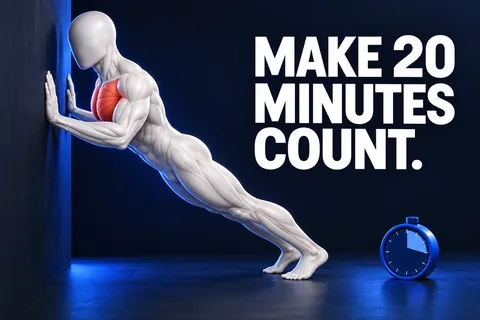
Een training van 20 minuten voor beginners zonder haast
Plan voorbereiding, eenvoudige oefeningen, rust en rustig afbouwen binnen twintig minuten. Gebruik de klok voor overzicht, niet voor snellere herhalingen.
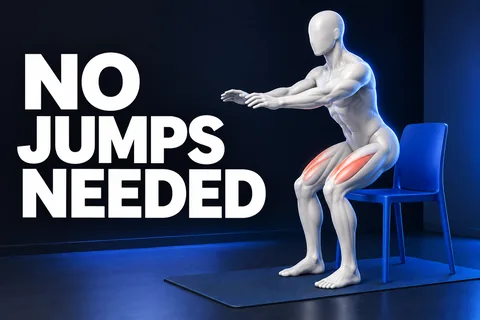
Rustig trainen in een appartement zonder springen
Maak een eenvoudige sessie met beheerste bewegingen, rustige overgangen en kleine stappen naar meer uitdaging.
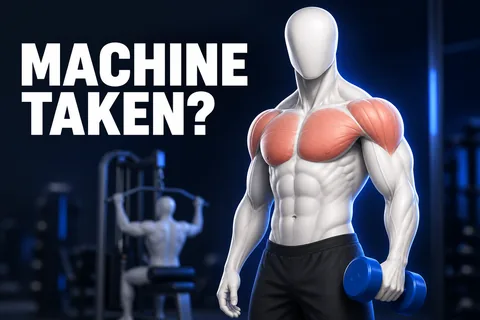
Trainen als beginner in een drukke sportschool
Apparaat bezet? Kies wanneer je wacht, de volgorde aanpast of een bekende oefening gebruikt, en houd elke variant apart bij.
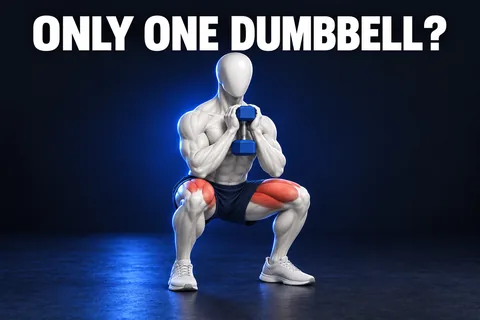
Een training voor je hele lichaam met één dumbbell
Stel een beginnerssessie samen met één dumbbell en je lichaamsgewicht. Leer de volgorde, eenvoudige varianten en wat je doet bij een ongeschikt gewicht.
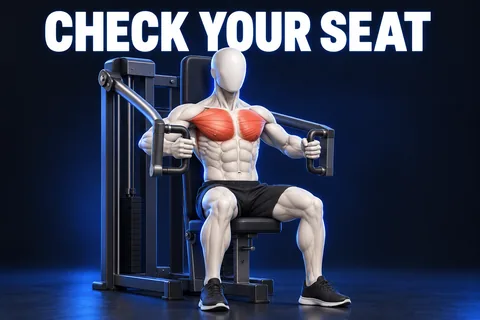
Borstpersmachine voor beginners: stoelinstelling en controle
Leer een borstpersmachine instellen, een passend startgewicht kiezen en beheerst drukken. Noteer je stoelpositie voordat je gewicht toevoegt.
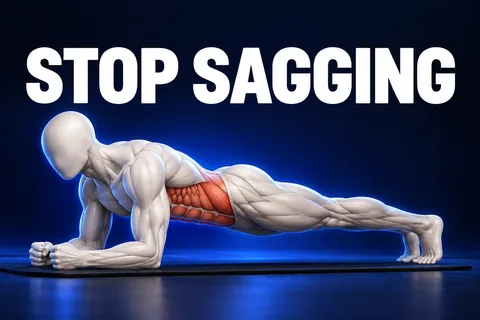
Onderarmplank voor beginners: begin met een stabiele houding
Leer de onderarmplank, een versie met steun op de knieën en korte oefenpogingen. Controleer ademhaling en houding voordat je langer blijft staan.
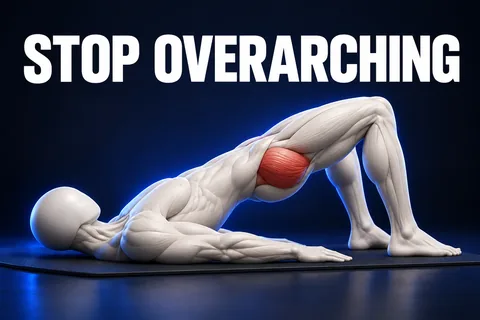
Glute bridge voor beginners: heupen heffen zonder holle rug
Leer de brug op de vloer met stevige voeten, een beheerste beweging en een haalbare eerste set. Controleer je techniek voordat je het moeilijker maakt.
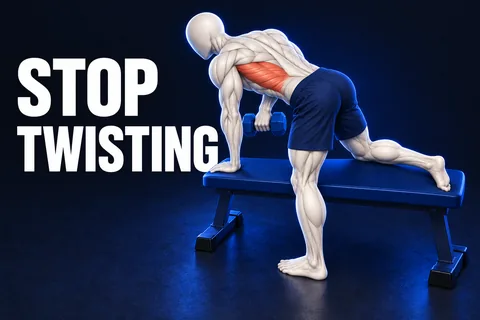
Dumbbell row voor beginners: bankopstelling en controle van je romp
Leer een dumbbell row met een stevige bank, een beheerste elleboogbeweging en een stabiele romp. Kies een passend gewicht en noteer beide kanten apart.
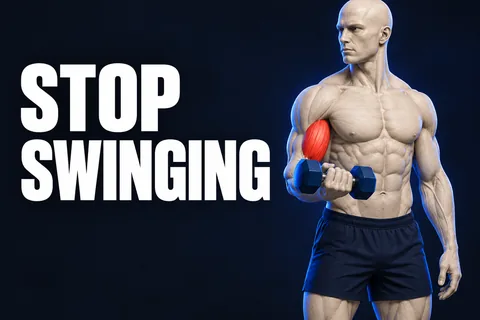
Biceps curl met halter voor beginners: techniek en gewicht
Leer gecontroleerd curlen met een rustige elleboog en rechte pols. Kies een passend gewicht, herken veelgemaakte fouten en noteer je vooruitgang.
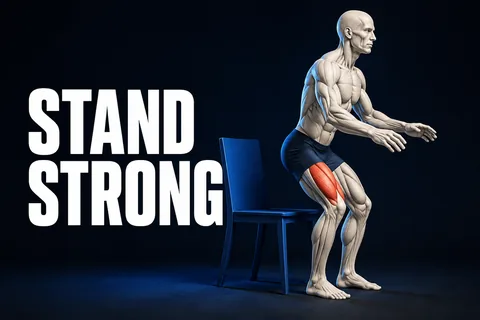
Opstaan uit een stoel: houding en techniek voor beginners
Oefen beheerst opstaan en weer gaan zitten. Kies een stabiele stoel, begin met haalbare herhalingen en leg je uitgangspunt vast voordat je opbouwt.
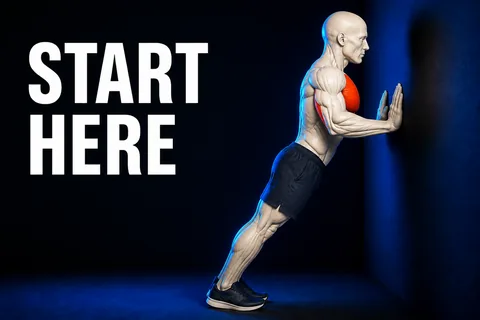
Opdrukken tegen de muur: techniek en opbouw voor beginners
Leer opdrukken tegen de muur met stevige steun en beheerste herhalingen. Bouw een herhaalbare basis op voordat je de oefening moeilijker maakt.
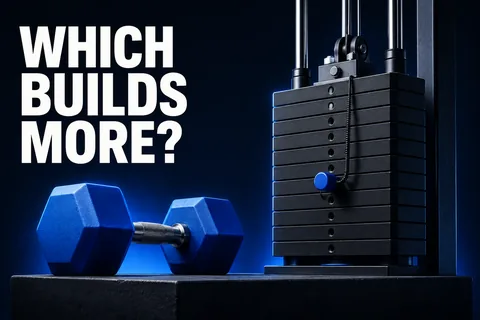
Machines of vrije gewichten: wat kies je als beginner?
Vergelijk machines en vrije gewichten voor spiergroei en kracht. Kies materiaal dat je kunt instellen, beheersen en gebruiken om vooruit te gaan.
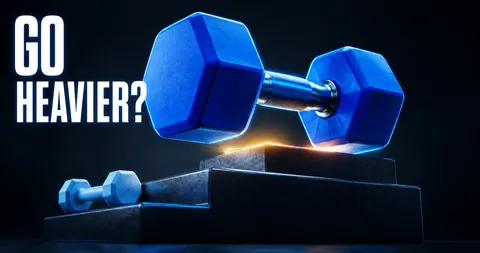
Wanneer verhoog je het gewicht? Progressieve overload voor beginners
Meer herhalingen of een zwaardere dumbbell? Leer je volgende stap kiezen, omgaan met grote gewichtssprongen en herkennen wanneer hetzelfde gewicht beter past.
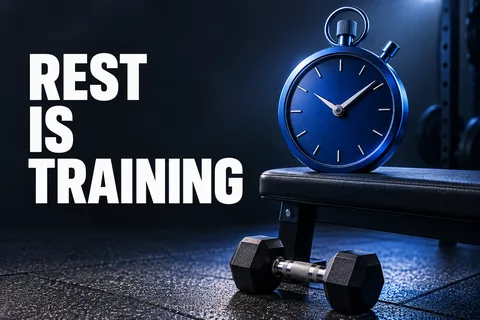
How Long to Rest Between Sets: Match the Next Set
Choose a useful starting rest interval for strength or muscle growth, then adjust it to your breathing, technique and planned repetitions. There is no universal perfect timer.
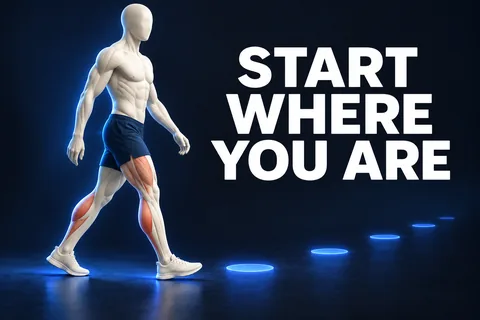
How Many Steps a Day Do You Need? Start With Your Baseline
Understand the evidence behind daily step counts and choose a manageable goal without treating 7000 or 10000 steps as a universal requirement.
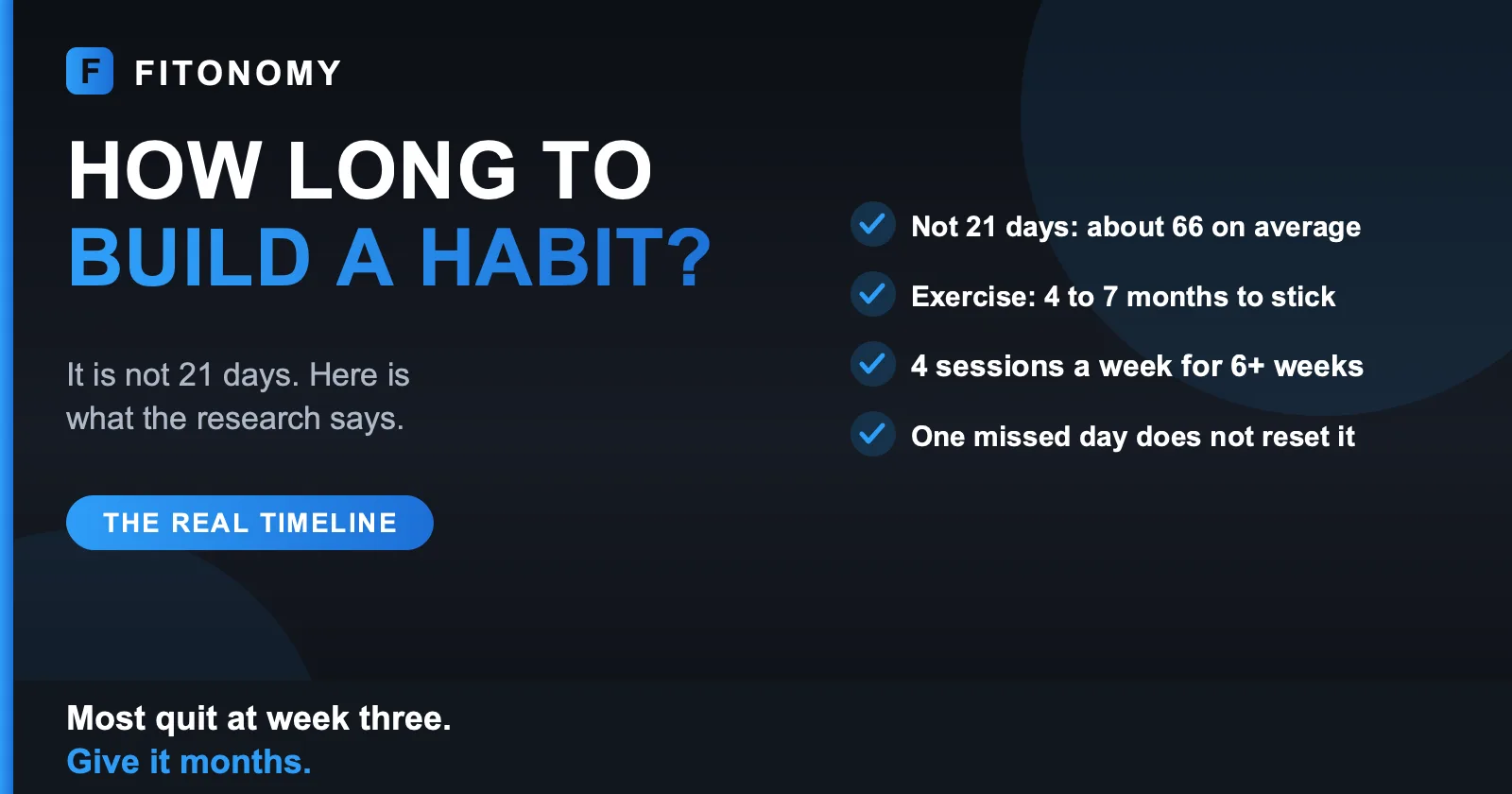
How Long Does It Take to Build a Habit?
Habit formation has no universal deadline. Research shows wide variation, so use a repeatable cue, a manageable action and honest tracking over time.
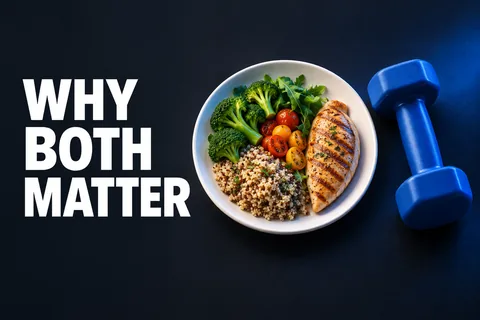
Diet or Exercise for Weight Loss: How to Use Both
Food changes and physical activity play different roles. Understand the evidence and choose manageable habits without promises of a fixed result.

Do Workout Apps Actually Work? What the Evidence Means
Workout apps can support physical activity, but study averages are not personal promises. Learn how to judge whether an app helps your routine.
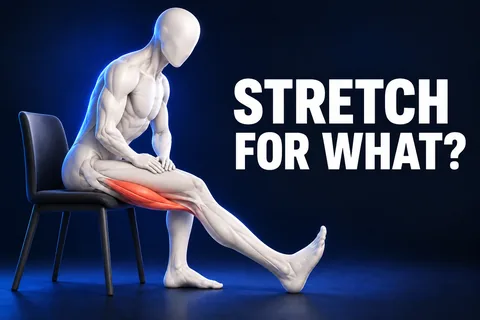
Does Stretching Prevent Injury and Soreness?
Stretching can support flexibility, but it is not a blanket injury prevention strategy or a reliable way to avoid soreness. Match it to your goal.
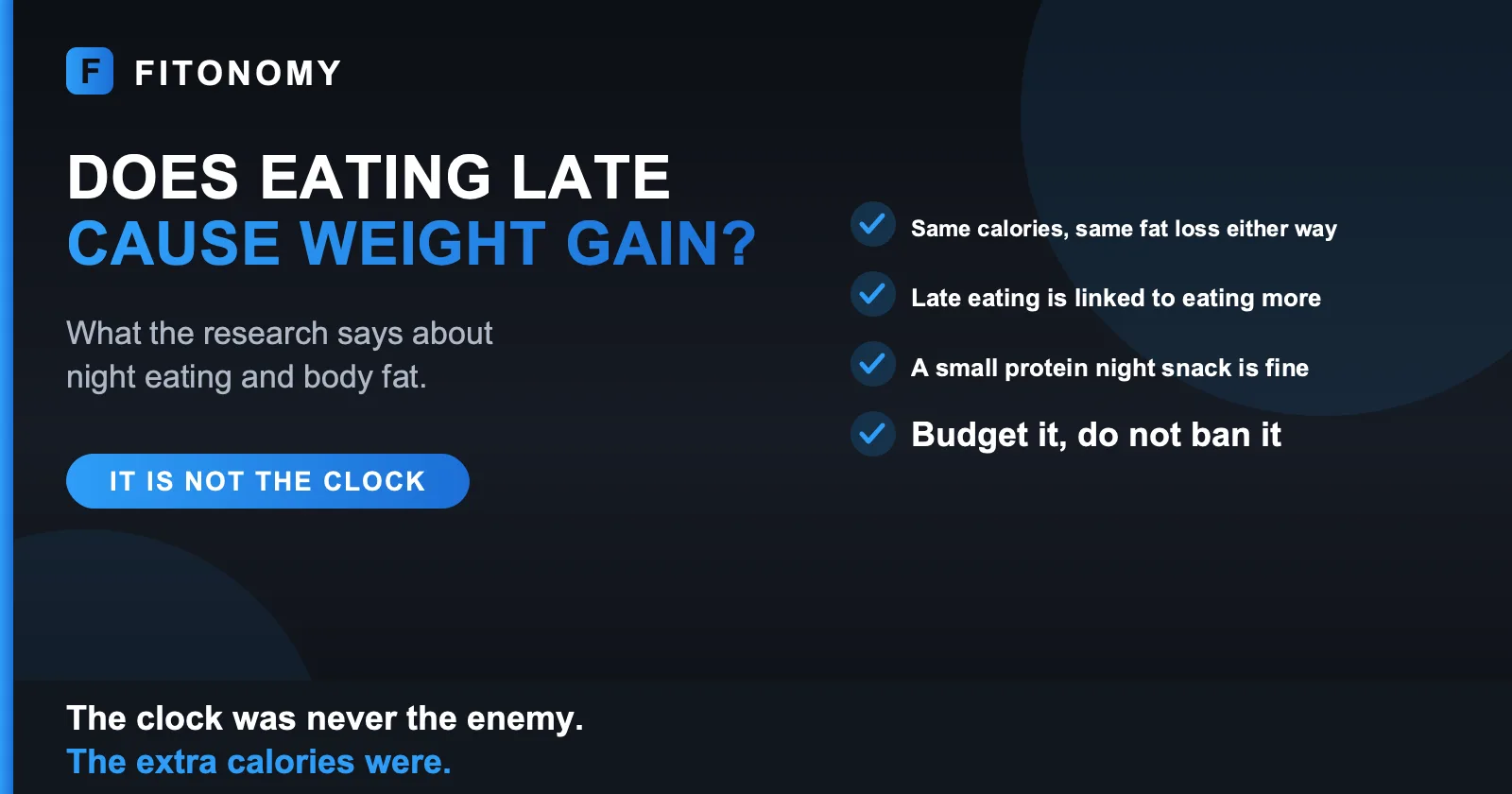
Does Eating Late at Night Make You Gain Weight?
Eating late at night does not magically turn into fat, calories do. When calories are controlled, late eaters and early eaters lose the same amount. But eating earlier can still help you lose more in real life, mostly by curbing hunger. Here is what the research actually shows and how to snack at night without gaining.
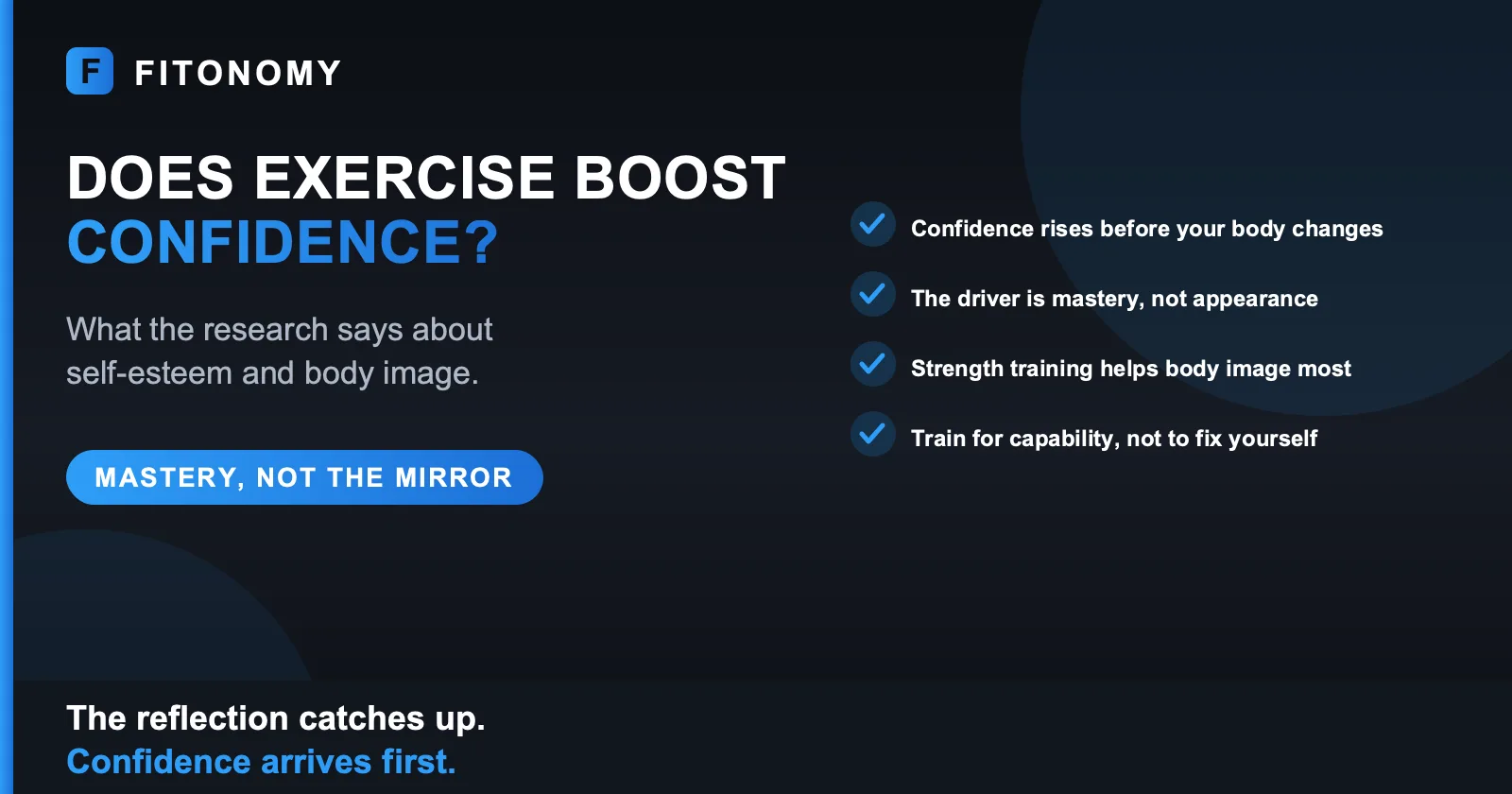
Does Exercise Boost Confidence and Self-Esteem?
Exercise reliably improves confidence, self-esteem, and body image in the research, but not mainly because your body changes. The bigger driver is the sense of mastery from doing something hard and getting better at it. Here is what the science shows and how to train for genuine confidence.
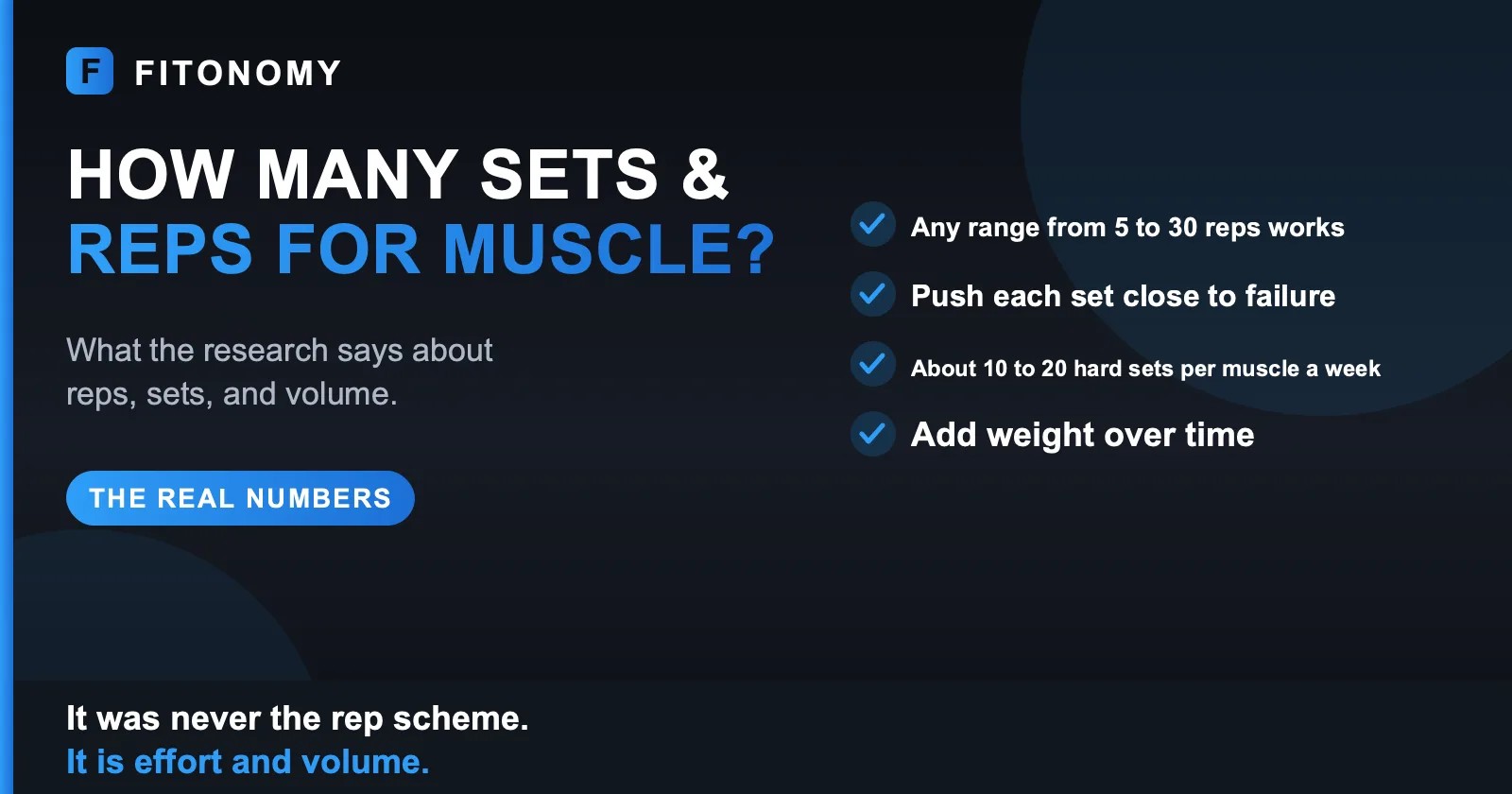
How Many Sets and Reps to Build Muscle?
You can build muscle across a huge range of reps, from about 5 to 30, as long as you push each set close to failure. What actually decides your growth is weekly volume, roughly 10 or more hard sets per muscle, plus progressive overload. Here is what the research shows about sets, reps, and how to program them.
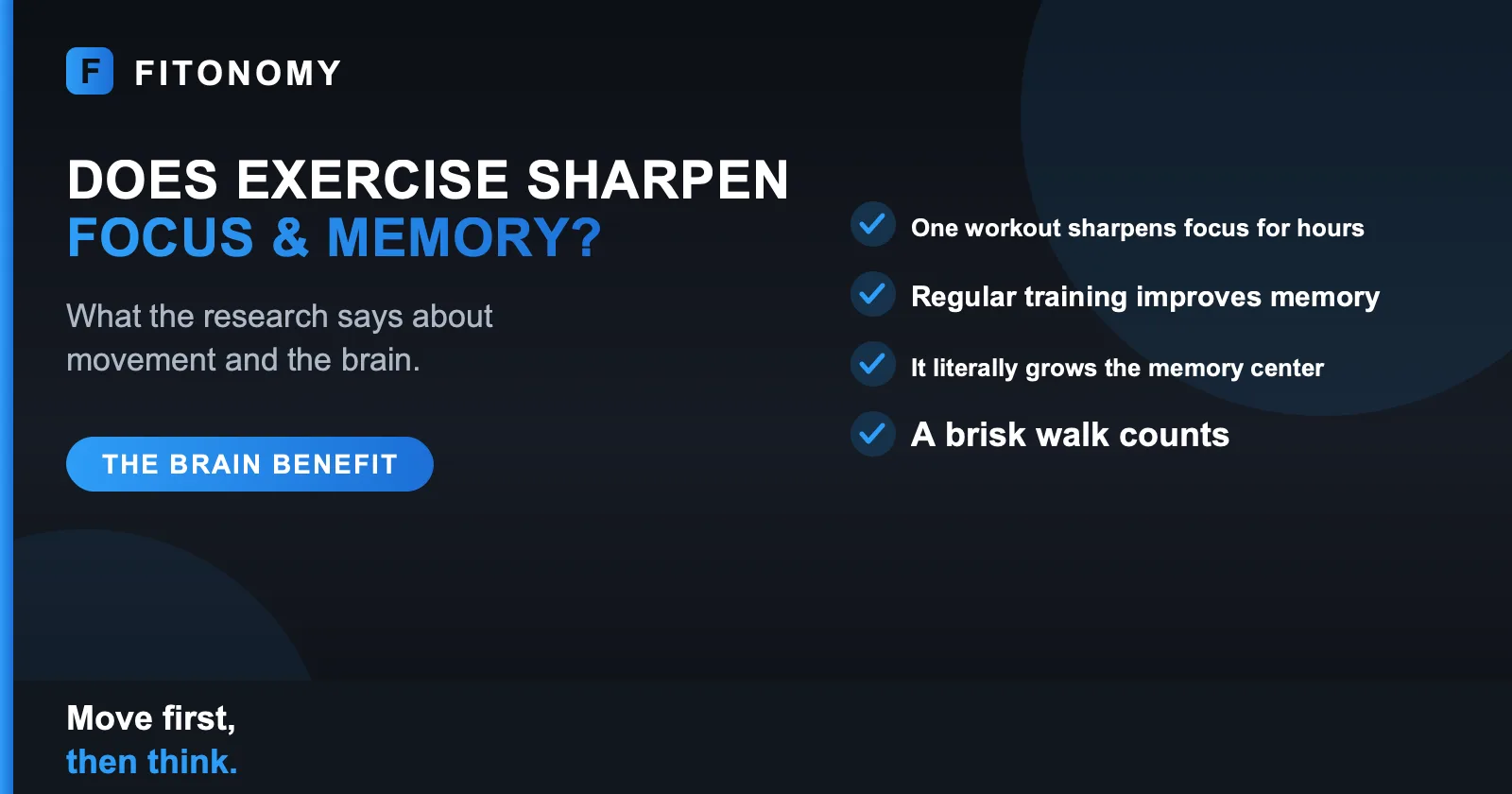
Does Exercise Improve Focus and Memory?
Exercise is one of the most reliable ways to sharpen your mind. A single workout boosts focus for a while, and regular training improves memory and even grows the brain memory center. Here is what the research shows about exercise, focus, and memory, and how to use a workout to think better.
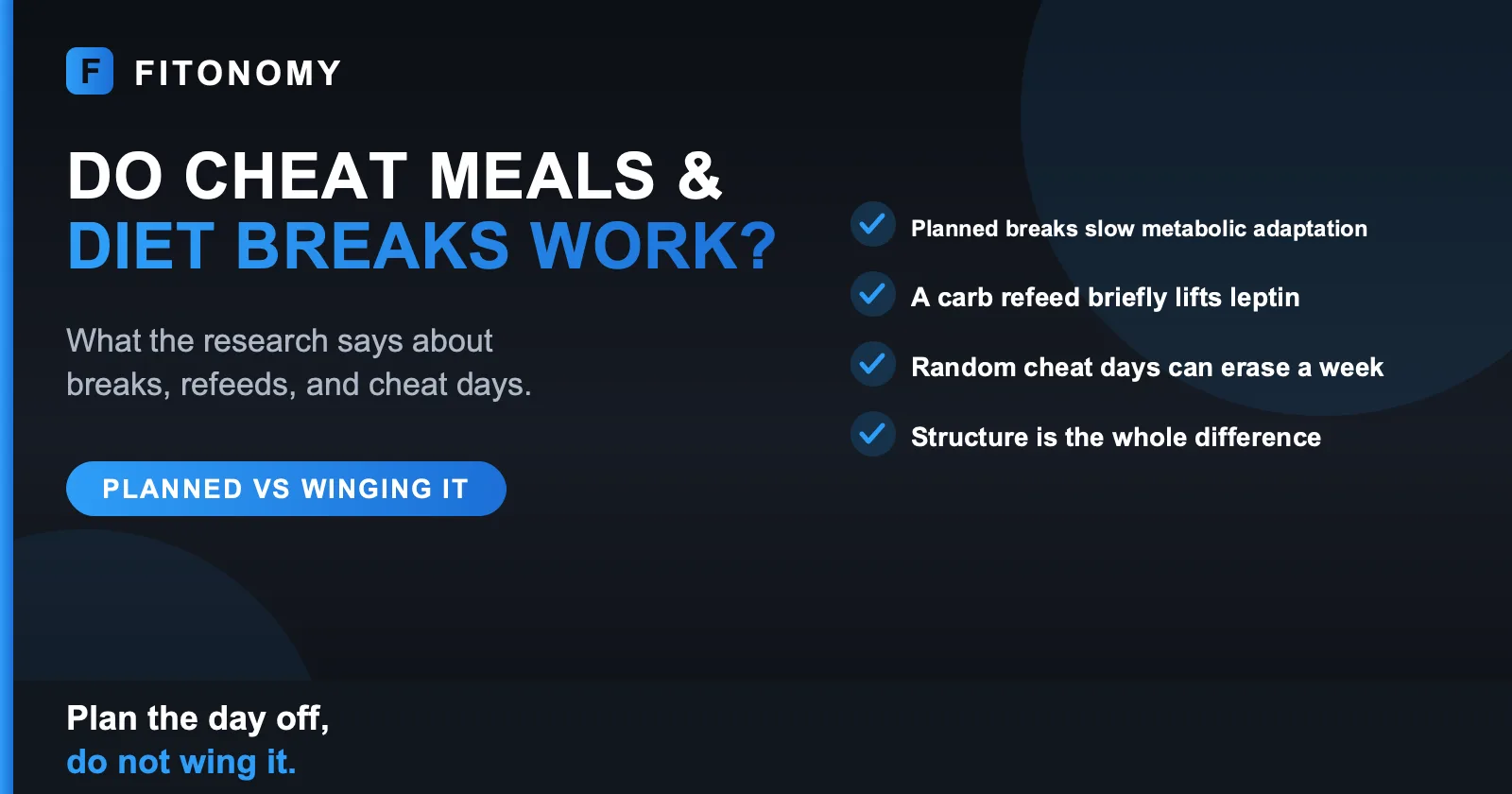
Do Cheat Meals and Diet Breaks Actually Work?
Planned diet breaks and refeeds have real science behind them, they can preserve your metabolism and make a long diet easier to stick to. Random cheat days are a different story. Here is what the research shows about breaks, refeeds, and cheat meals, and how to use them without wrecking your progress.