Fitness, nutrition, and mindset
Practical guidance from Fitonomy Coach to help you train smarter, eat better, and stay consistent.
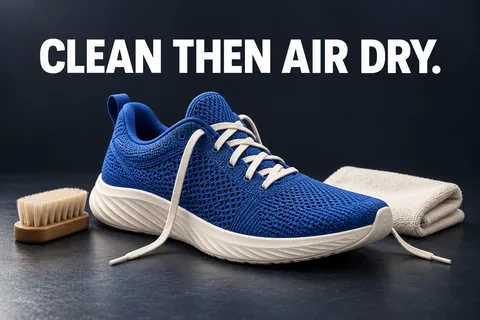
Clean Fabric Training Shoes by Hand
Check the material instructions, clean gently and let permitted parts dry fully before packing your shoes.

Cook Pearl Barley for an Everyday Meal
Identify pearl barley, follow one saucepan method and check tenderness before adding it to a familiar meal.
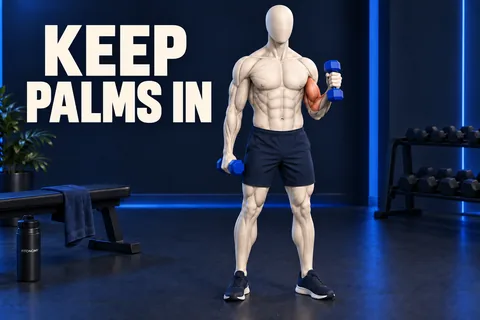
Learn a Dumbbell Hammer Curl With a Neutral Grip
Keep the palms inward, wrists aligned and upper arms steady through a controlled hammer curl and return.
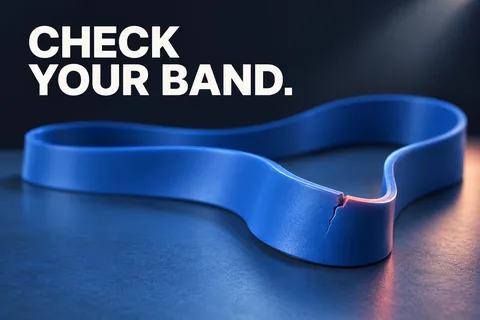
Inspect Your Resistance Band Before the Session
Check unloaded elastic and its connections, follow the actual product instructions and set suspect equipment aside before training.

Cook Dried Chickpeas for a Tender Meal Ingredient
Sort, rinse, plan a refrigerated soak and cook chickpeas to the texture your meal needs without borrowing another bean's method.
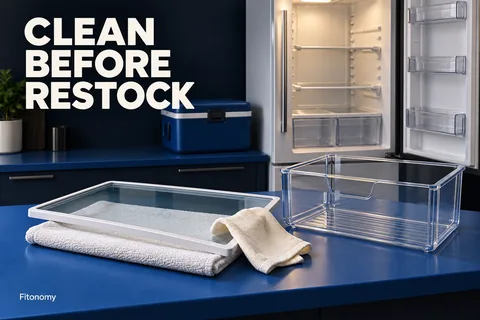
Clean Fridge Shelves Before Restoring Your Meal Storage
Plan cold storage, follow the appliance manual and clean permitted shelves and drawers before putting meal ingredients back.
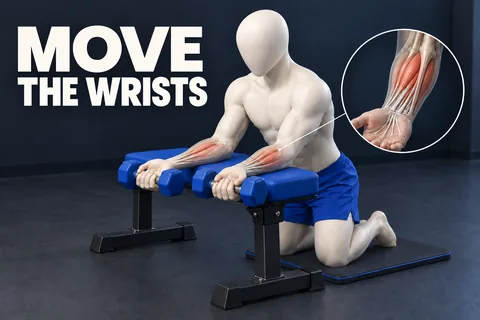
Learn a Bench Supported Dumbbell Wrist Curl
Set up the palms up wrist curl with supported forearms, a closed grip and a controlled return rather than an elbow curl.
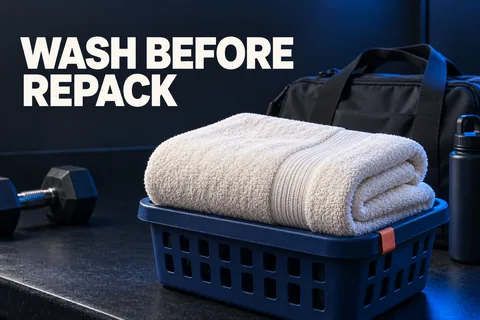
Wash Your Gym Towel Before Packing It Again
A practical routine for your used gym towel, from emptying the bag to washing, complete drying and packing for the next visit.
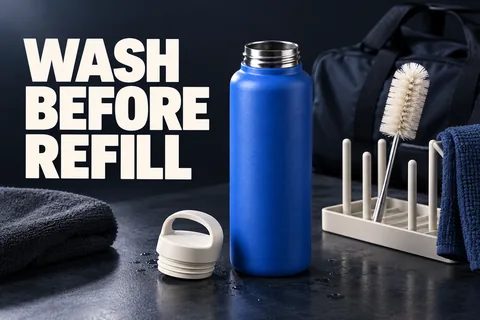
Clean Your Reusable Water Bottle Before Packing It
Check model care instructions, wash the permitted parts and let your bottle dry before the next gym visit.
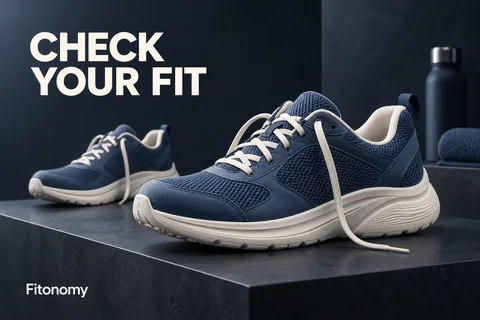
Check Your Walking Shoes Before a Routine Walk
Check your usual shoes with the socks you will wear, then look at both feet, toe room and heel fit before a short trial.

Prepare Dried Red Kidney Beans With a Full Boil
Separate dried red kidney beans from precooked cans, then follow the required soaking and boiling steps before using them in a meal.
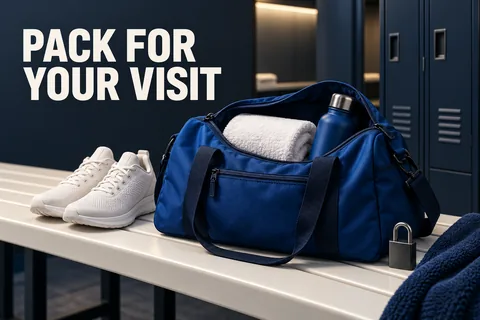
Pack a Gym Bag Around Your Actual Visit
Check entry, lockers and towels, then pack for your session and any planned change of clothes.
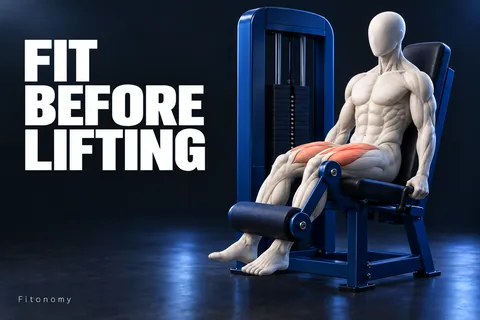
Fit a Leg Extension Machine Before You Lift
Check the backrest, knee pivot and shin pad before a controlled leg extension. Ask gym staff to demonstrate your model.

Cook Dried Lentils for the Texture Your Meal Needs
Choose whole or split lentils, sort and rinse them, then follow the packet to prepare a familiar meal without guessing from one cooking time.

Plan a Walk for Part of Your Commute
Try a walkable part of your work journey with a route trial, comfortable shoes, an arrival buffer and a normal travel fallback.
Set Up a Reverse Fly Machine Before Adding Weight
Identify the rear opening setting, fit the seat to your model and practise a controlled return.
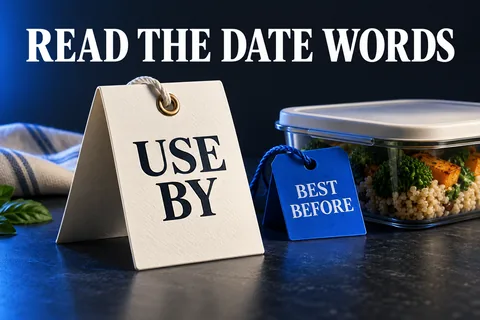
Read Food Date Labels Before Planning a Meal
Read the date words, storage directions and opening instructions before choosing a package for your next meal.

Check Cooked Food With a Probe Thermometer
Choose the right tool, place its sensing area inside the food and read a steady temperature using food specific guidance.
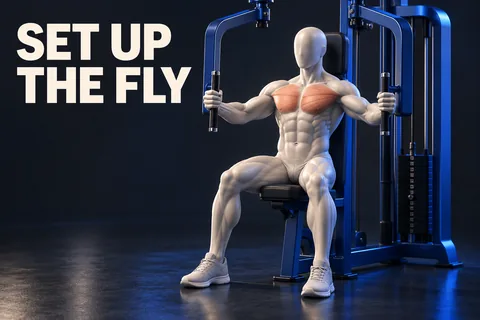
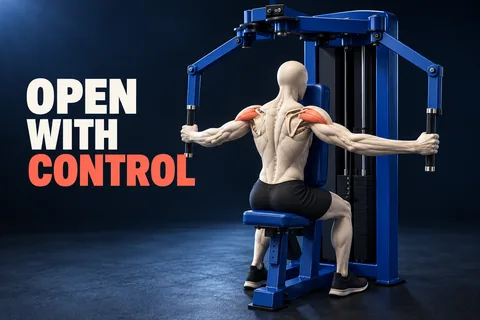
Set Up a Pectoral Fly Machine Before Adding Weight
Check the seat, starting arms and controlled return using the instructions for your pectoral fly machine.
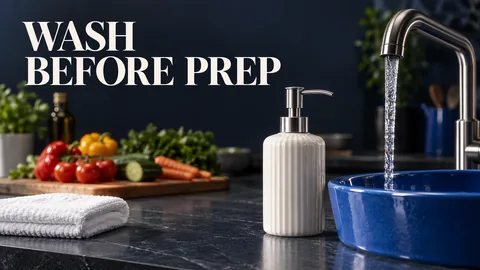
Wash Hands Before and During Meal Preparation
Set up soap and clean drying, wash all hand surfaces, and repeat at the right transitions while preparing an ordinary meal.
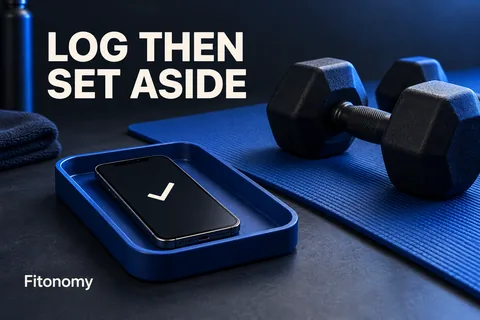
Keep Phone Checks Separate From Your Workout Sets
Use your phone for a clear workout task, then set it aside while preserving needed rest and essential contact.
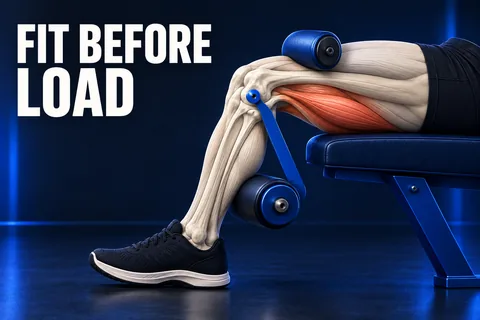
Set Up a Seated Leg Curl Before Adding Weight
Check the knee pivot, thigh restraint and controlled return on a seated leg curl machine before choosing more resistance.
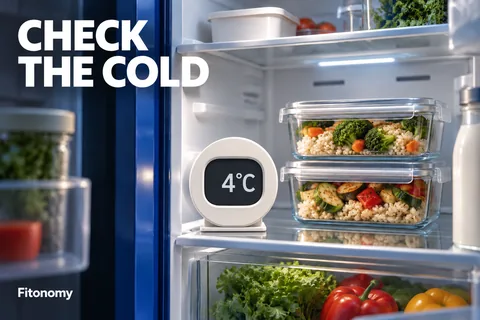
Check Fridge Temperature Before Meal Preparation
Use an appliance thermometer, leave room for cold air and check storage before preparing chilled meal components.
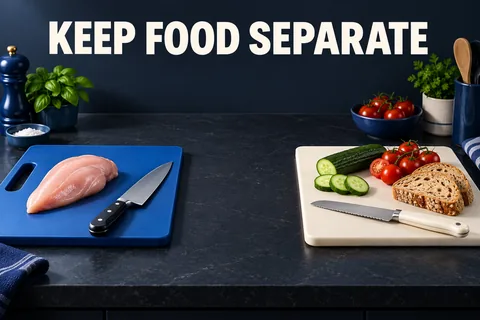
Use Separate Chopping Boards for Meal Preparation
Assign separate cutting surfaces for raw meat and ready food, then clean, dry and inspect the boards before your next meal.