Start with the next meal
Look at when dinner will actually happen. If it is soon and you feel comfortable, water and your usual meal may be enough. A special snack is not required after every ordinary session. The University of Toronto guide distinguishes ordinary activity from more demanding repeated training.
Decide whether a bridge helps
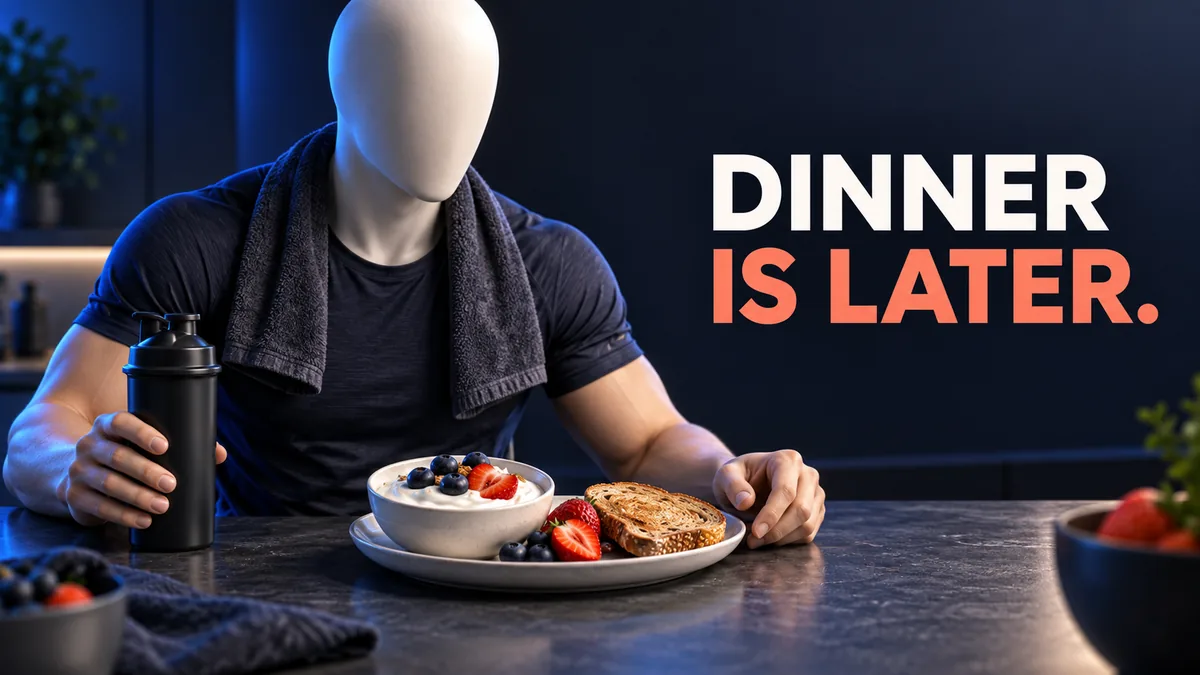
If dinner is hours away and you are hungry, a small familiar snack can bridge the gap. Think about what you ate earlier and how demanding the session was. Choose enough to feel comfortable, not a fixed amount copied from an athlete plan. If you are not hungry, you can wait for dinner.
Pair ordinary foods
Combine a carbohydrate food with a protein food when that suits your appetite: fruit with yogurt, toast with hummus, or crackers with cheese are simple examples. The Academy of Nutrition and Dietetics describes this general pairing after activity. You do not need a branded recovery product.
Pack for the real wait
If you will leave home before training, put the snack where you can reach it afterward. Keep yogurt, cheese and other perishable foods cold in an insulated bag with ice sources, as the USDA packing guide advises. When cold storage is unavailable, select a suitable shelf stable combination and check its label.
Keep dinner a normal meal
The snack is a bridge, not an instruction to skip dinner or eat a second large meal. Later, choose an ordinary meal with foods you enjoy and tolerate. The Cleveland Clinic guide describes a snack followed by a later meal. Our balanced meal guide offers an easy way to put that meal together.
Use the plan without rigid rules
A Fitonomy meal planning guide can help place food around your actual day, and the hydration guide keeps water in the plan. Neither a snack nor the app can diagnose what you need. If you manage diabetes, a food allergy, a prescribed diet or disordered eating, follow personal professional advice.