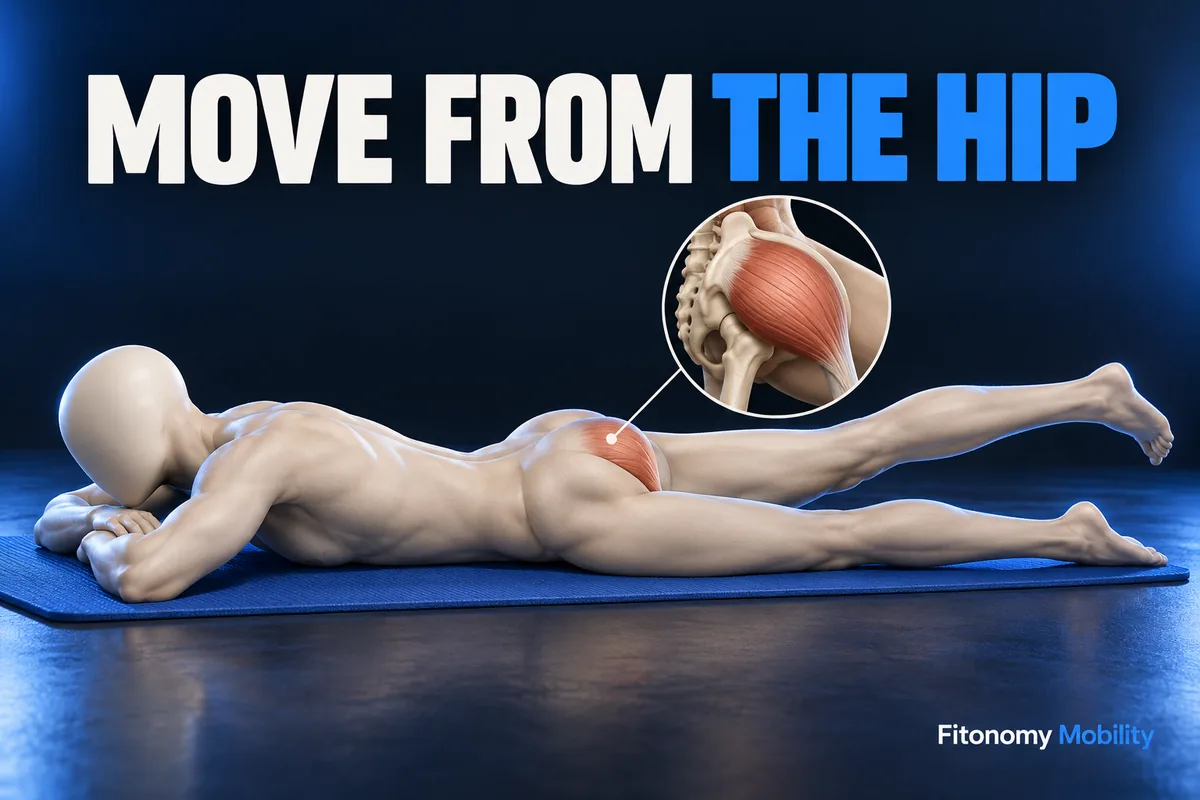
Confirm personal instruction
Use this explanation only if a clinician has personally taught and cleared this exact straight knee hip lift for you. The sources describe prescribed exercises and therapy after a burn injury. Their schedules are not general permission, a treatment plan for you or a reason to remove prescribed boots or braces.
Set the supported position
Prone means lying on your front. Use the surface, head support and safe way into position that you were shown. Start with both legs straight and the trunk supported. If breathing comfortably, lying this way or getting up is uncertain, ask for individual guidance before trying it.
Lift from the hip
Use your own muscles to lift one whole leg through your taught range while keeping the knee straight. The NHS hosted exercise sheet describes a steady trunk and no lower back arch. More height is not the goal. Do not bend the knee to bring the heel toward your seat, add a weight or ask someone to pull the leg upward.
Return without changing the task
Lower the whole leg smoothly to its starting support. Keep the lift small enough to avoid raising the pelvis or arching the back. A prone knee bend keeps the thigh down while the lower leg moves; this task keeps the knee straight. Standing hip extension has different support and gravity. Neither is an automatic progression.
Record and respect limits
Note the support, side, comfortable control and the range and dose your clinician set. No universal height, hold or repetition count applies here. Stop for pain, swelling, tingling, dizziness or loss of control and seek advice. The beginner mobility guide helps organize practice, not clinical clearance. Article translations do not establish Mobility app languages or promise lasting improvement.