健身、营养与习惯
Fitonomy Coach 提供实用建议,帮助你科学训练、合理饮食并保持运动习惯。
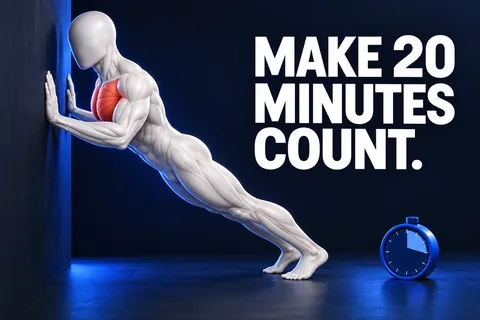
新手20分钟训练:不用赶着做完
把准备、简单动作、休息和逐渐放慢节奏安排在20分钟内。用时钟分配时间,而不是催促重复次数。
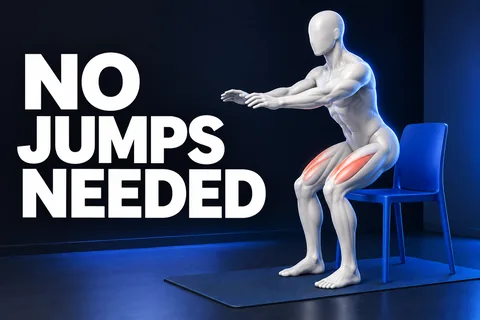
不跳跃的公寓安静训练
用可控动作、轻柔的姿势转换和小幅调整,安排一次容易执行的居家训练。
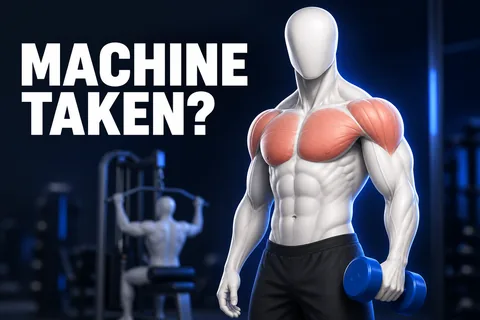
健身房太挤时,新手如何安排替代训练
器械有人用?学会判断何时等待、调整顺序或选择熟悉的动作,并为每种训练方式单独记录。
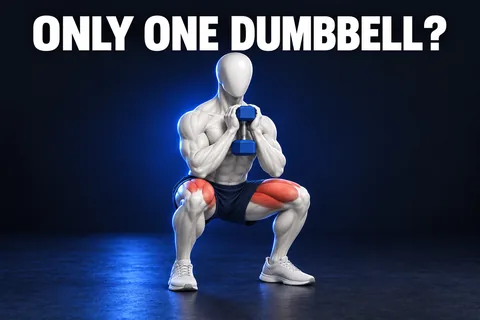
一只哑铃的全身训练入门
把一只哑铃和自重动作组合成入门训练。了解动作顺序、较容易的起步方式,以及重量不合适时的调整方法。
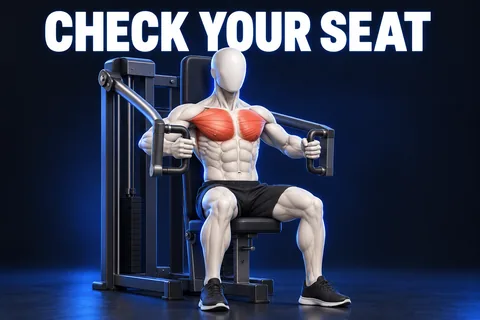
新手坐姿推胸机:座椅设置与动作控制
学习推胸机的座椅调整、合适的起始重量和受控推举。增加重量前,先记录座椅位置。
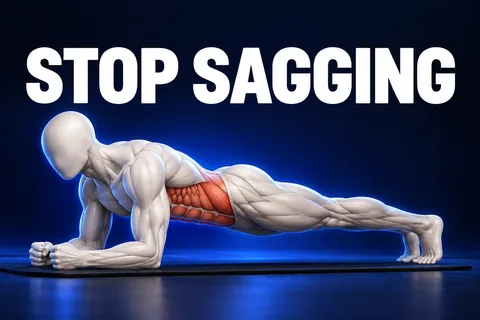
新手前臂平板支撑:从稳定姿势开始
学习前臂平板支撑的姿势、膝盖着地版本和短时间练习。延长时间之前,先检查呼吸与身体排列。
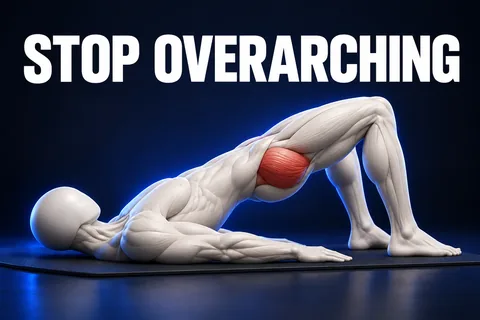
新手臀桥:抬起髋部,避免腰部过度反弓
学习双脚稳定、抬起过程可控的地面臀桥。从适合自己的第一组开始,在增加难度前检查动作。
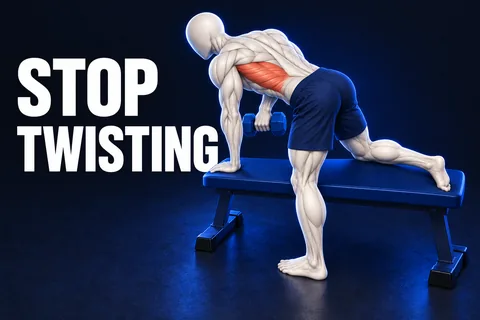
新手哑铃划船:训练凳支撑与躯干控制
学习用稳固的训练凳完成哑铃划船,控制肘部动作并保持躯干稳定。选择能掌握的重量,清楚记录左右两侧的表现。
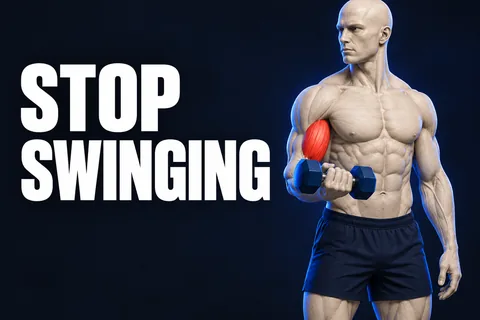
新手哑铃弯举:动作要领与重量选择
学习肘部稳定、手腕平直的哑铃弯举。选择能控制的重量,检查常见动作问题,并清楚记录每侧手臂的进步。
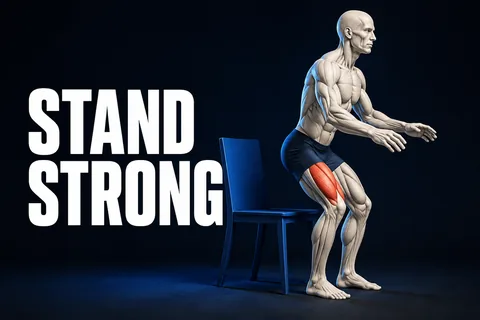
新手坐站训练:椅子选择与动作方法
练习有控制地从椅子上站起并坐回。了解稳定的准备姿势、适合起步的次数,以及进阶前应记录的内容。
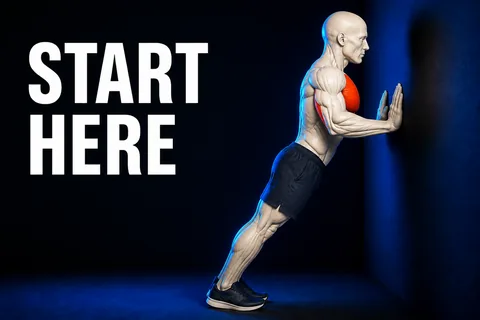
新手靠墙俯卧撑:动作、次数与进阶方法
用稳定的支撑和有控制的重复学习靠墙俯卧撑。先建立能够重复的基础,再逐步调整动作难度。
新手该选固定器械还是自由重量?
比较固定器械与自由重量在增肌、力量训练和日常使用中的差别,选择能够正确调节、稳定控制并逐步进阶的器材。
健身什么时候加重量?新手渐进超负荷指南
该增加次数,还是换更重的哑铃?学习如何决定下一步、应对器械重量跨度,以及判断何时保持当前负荷。
How Long to Rest Between Sets: Match the Next Set
Choose a useful starting rest interval for strength or muscle growth, then adjust it to your breathing, technique and planned repetitions. There is no universal perfect timer.
How Many Steps a Day Do You Need? Start With Your Baseline
Understand the evidence behind daily step counts and choose a manageable goal without treating 7000 or 10000 steps as a universal requirement.
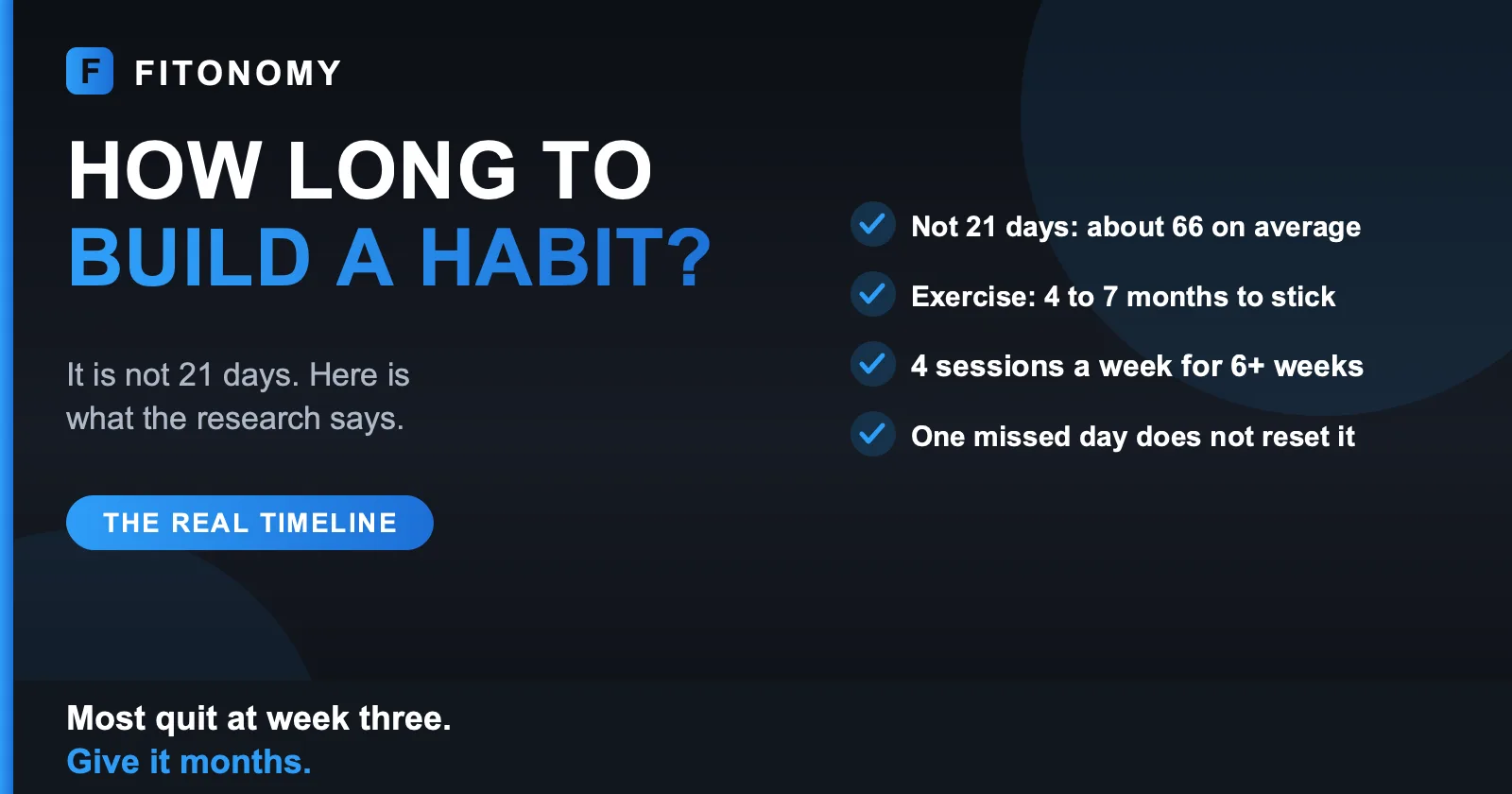
How Long Does It Take to Build a Habit?
Habit formation has no universal deadline. Research shows wide variation, so use a repeatable cue, a manageable action and honest tracking over time.
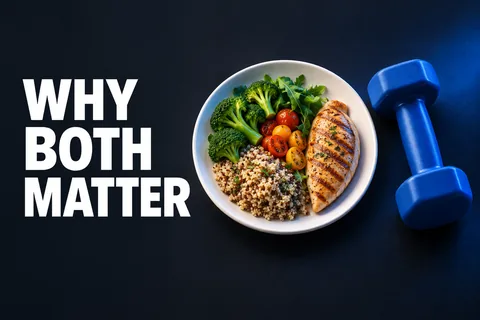
Diet or Exercise for Weight Loss: How to Use Both
Food changes and physical activity play different roles. Understand the evidence and choose manageable habits without promises of a fixed result.
Do Workout Apps Actually Work? What the Evidence Means
Workout apps can support physical activity, but study averages are not personal promises. Learn how to judge whether an app helps your routine.
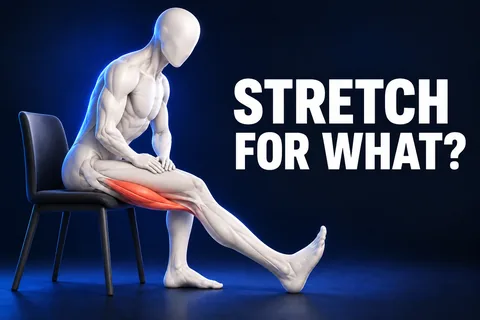
Does Stretching Prevent Injury and Soreness?
Stretching can support flexibility, but it is not a blanket injury prevention strategy or a reliable way to avoid soreness. Match it to your goal.
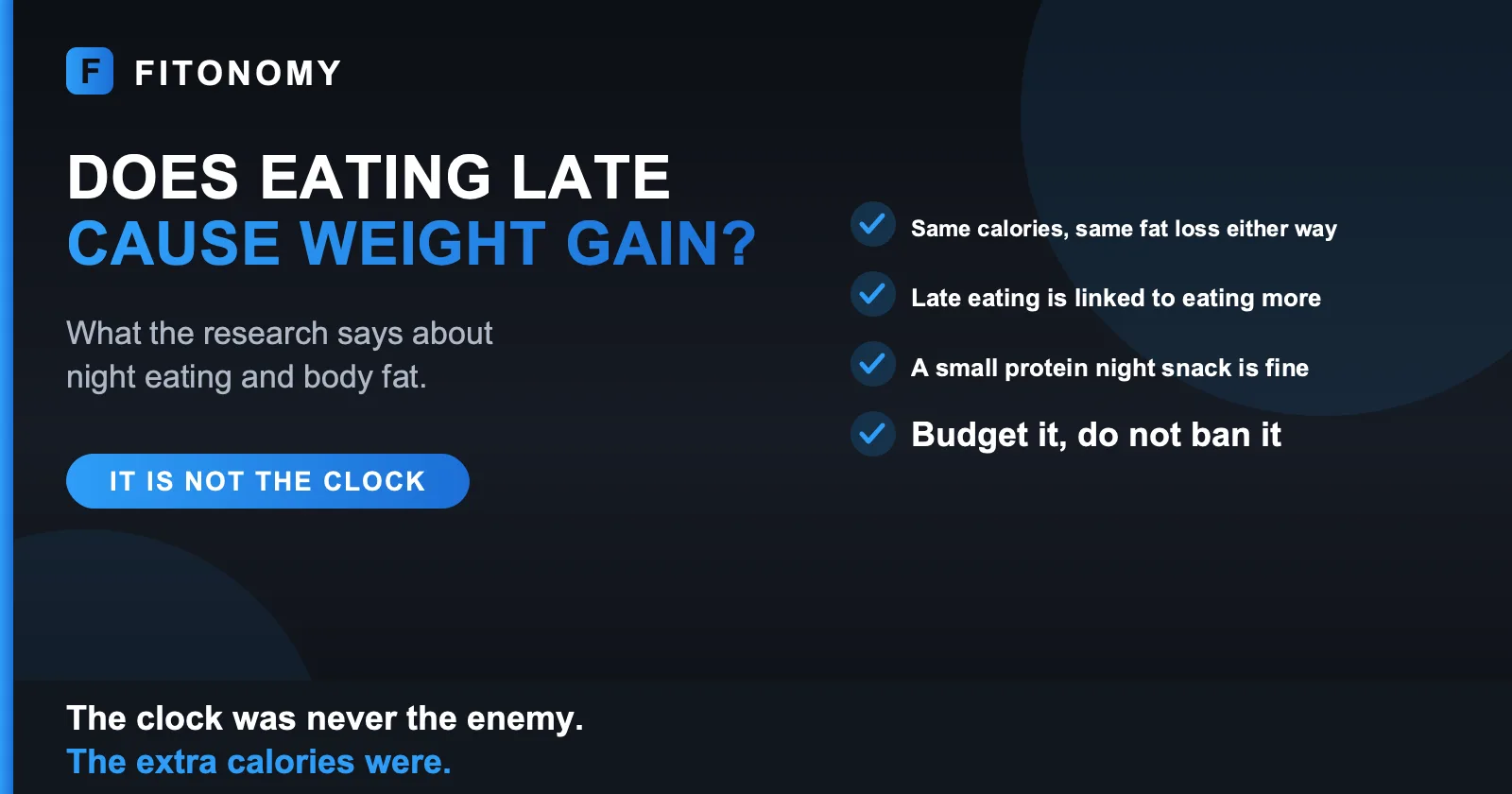
Does Eating Late at Night Make You Gain Weight?
Eating late at night does not magically turn into fat, calories do. When calories are controlled, late eaters and early eaters lose the same amount. But eating earlier can still help you lose more in real life, mostly by curbing hunger. Here is what the research actually shows and how to snack at night without gaining.
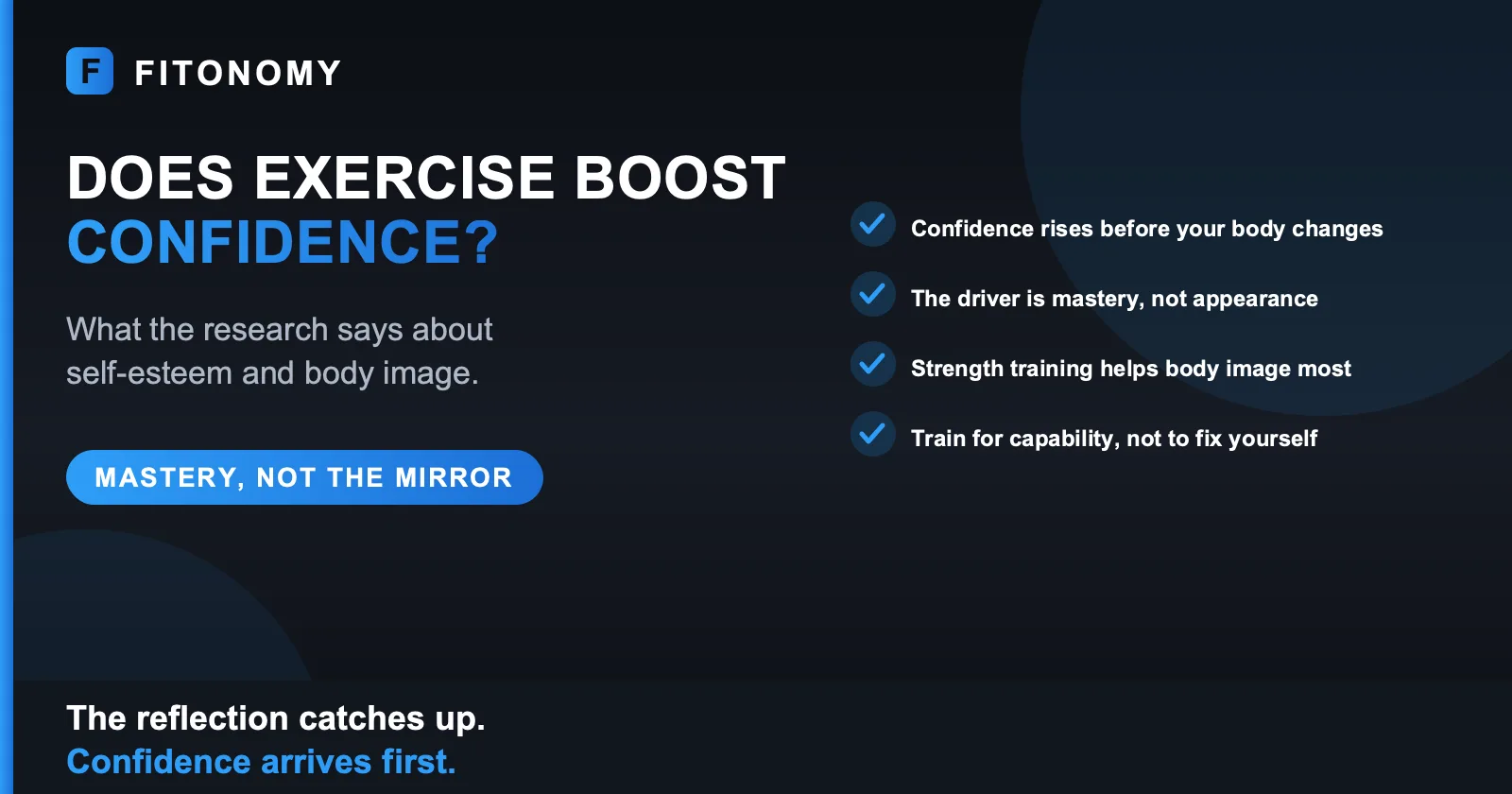
Does Exercise Boost Confidence and Self-Esteem?
Exercise reliably improves confidence, self-esteem, and body image in the research, but not mainly because your body changes. The bigger driver is the sense of mastery from doing something hard and getting better at it. Here is what the science shows and how to train for genuine confidence.
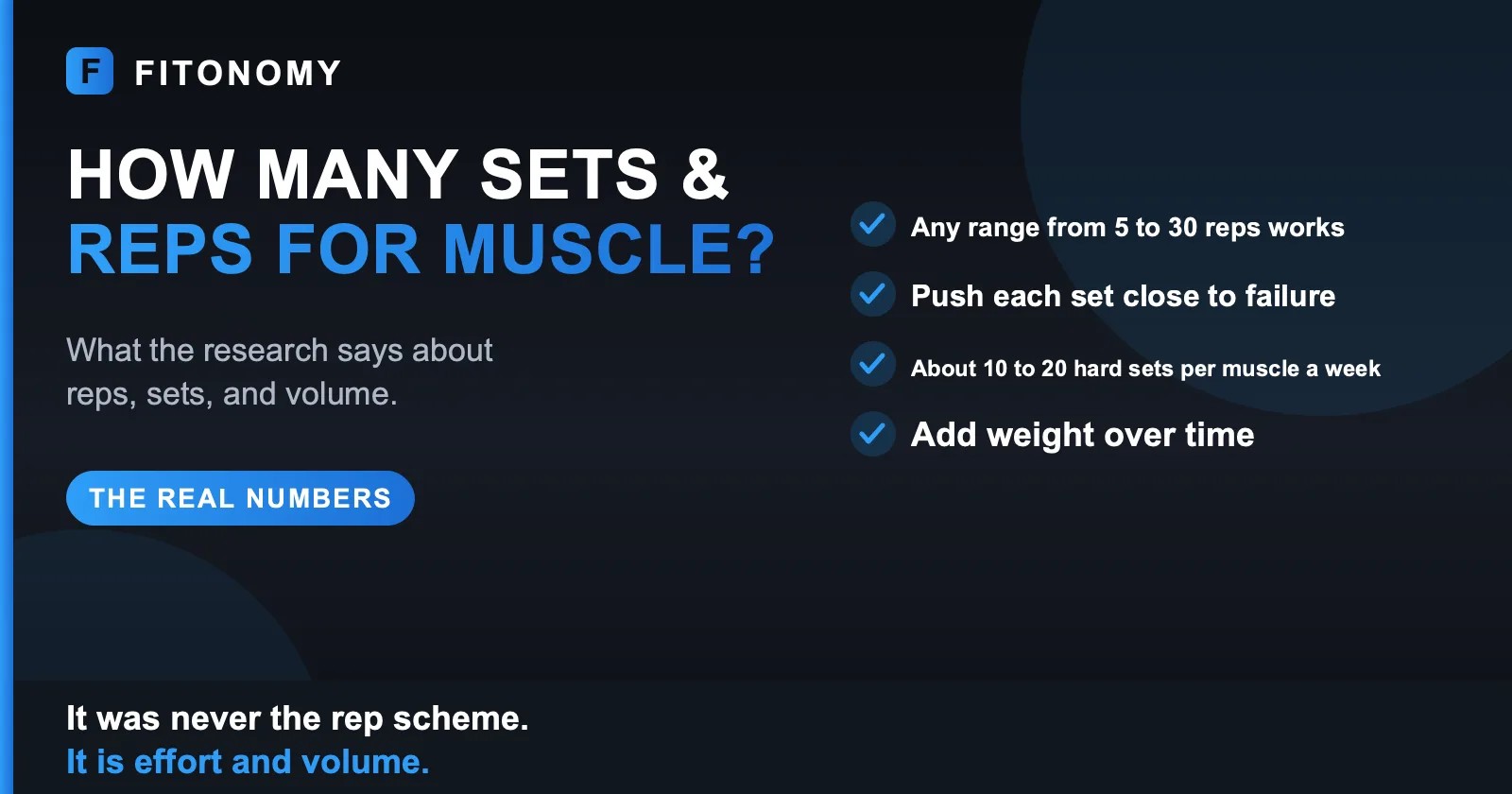
How Many Sets and Reps to Build Muscle?
You can build muscle across a huge range of reps, from about 5 to 30, as long as you push each set close to failure. What actually decides your growth is weekly volume, roughly 10 or more hard sets per muscle, plus progressive overload. Here is what the research shows about sets, reps, and how to program them.
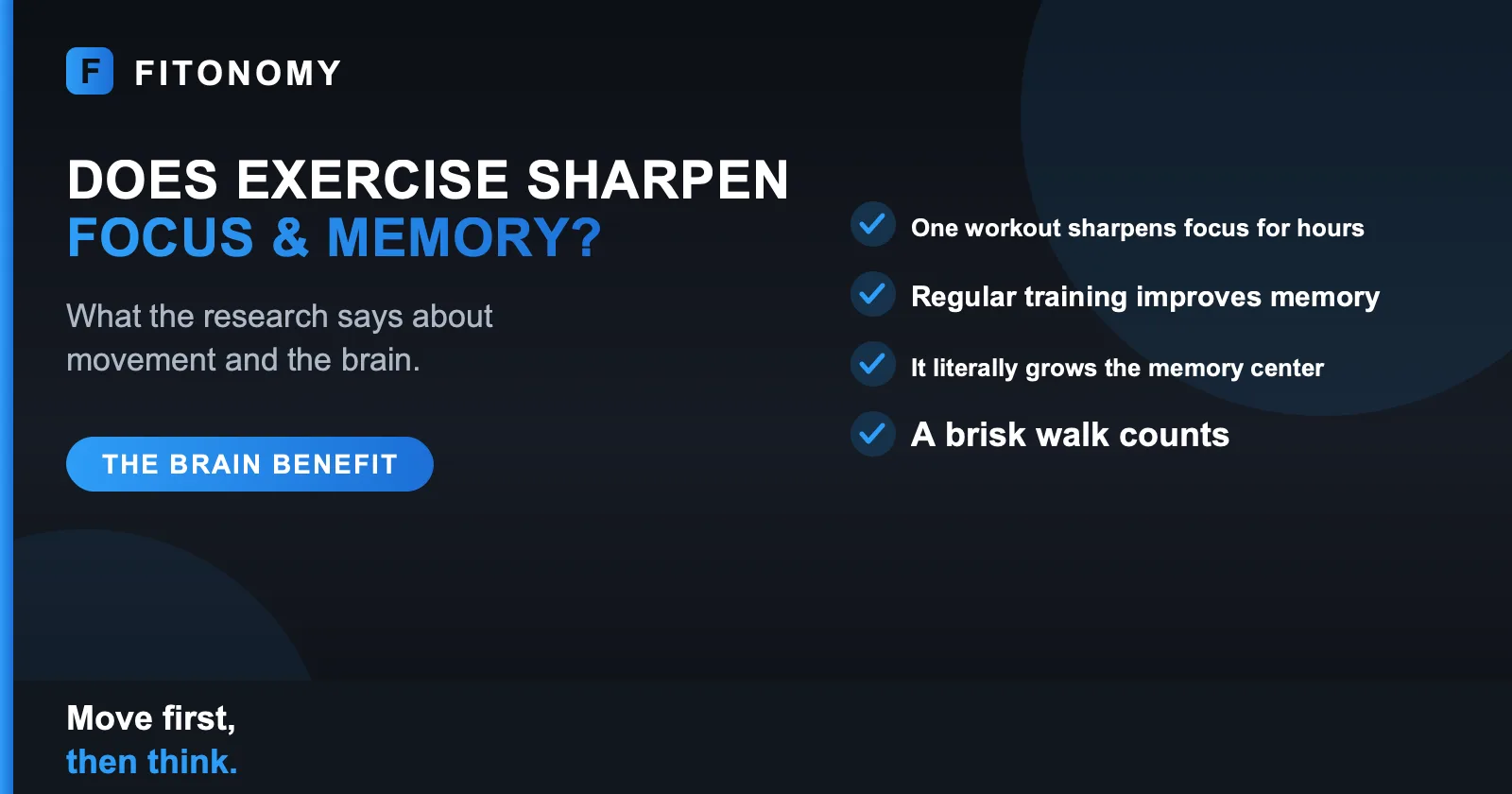
Does Exercise Improve Focus and Memory?
Exercise is one of the most reliable ways to sharpen your mind. A single workout boosts focus for a while, and regular training improves memory and even grows the brain memory center. Here is what the research shows about exercise, focus, and memory, and how to use a workout to think better.
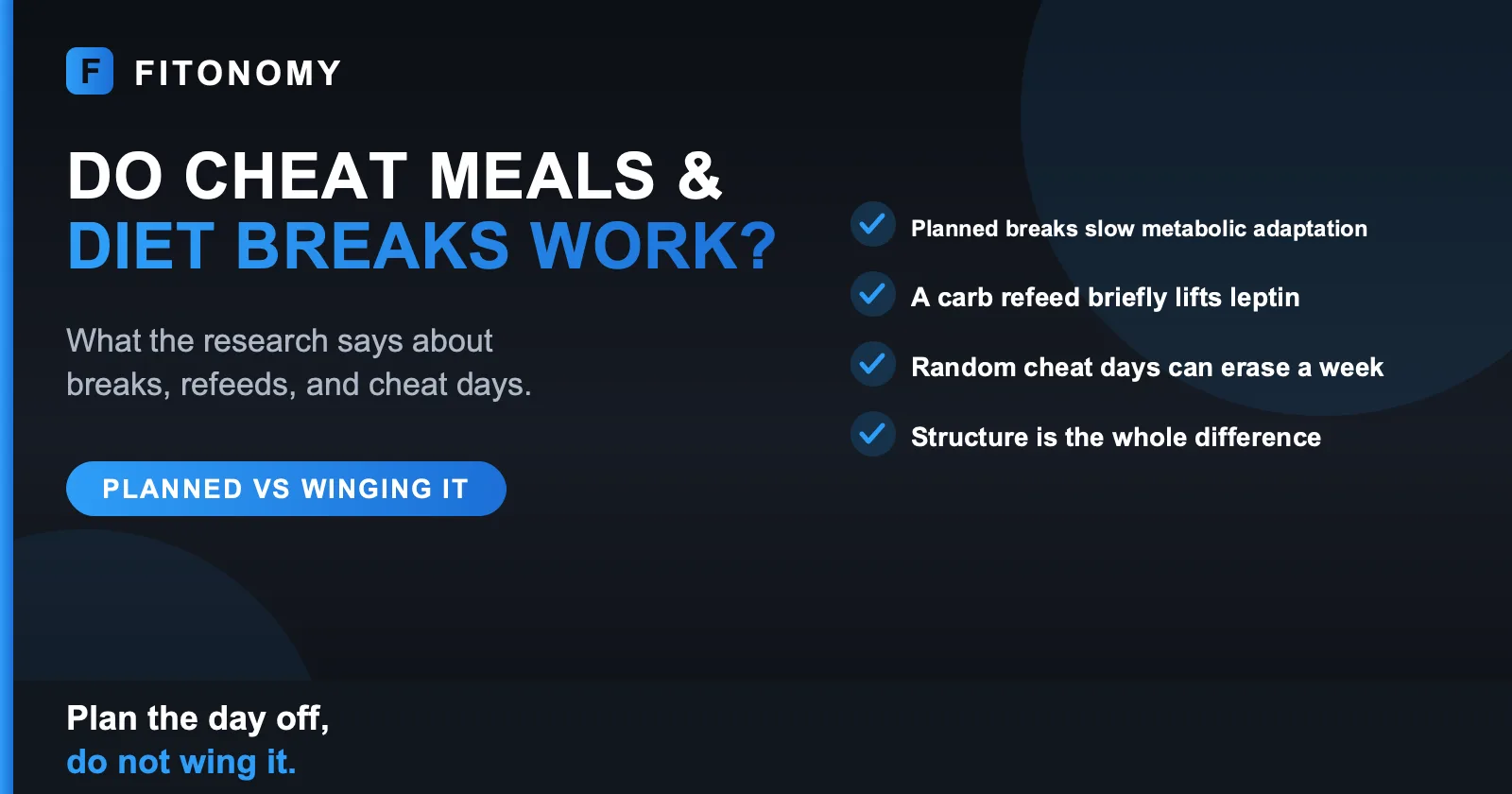
Do Cheat Meals and Diet Breaks Actually Work?
Planned diet breaks and refeeds have real science behind them, they can preserve your metabolism and make a long diet easier to stick to. Random cheat days are a different story. Here is what the research shows about breaks, refeeds, and cheat meals, and how to use them without wrecking your progress.