Fitness, nutrição e mentalidade
Orientações práticas do Fitonomy Coach para treinar melhor, comer bem e manter a consistência.
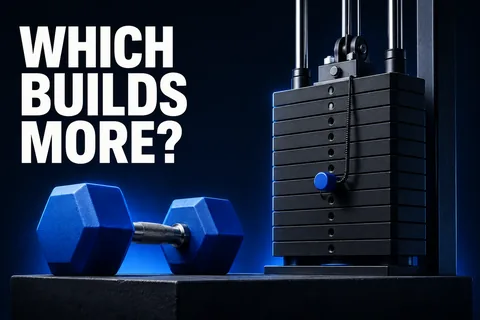
Máquinas ou pesos livres: o que escolher no início?
Compare máquinas e pesos livres para ganhar músculo e força. Escolha um equipamento que você consiga ajustar, controlar e usar para progredir.
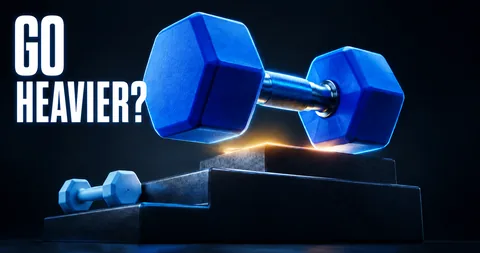
Quando aumentar a carga: sobrecarga progressiva para iniciantes
Mais repetições ou mais peso? Aprenda a escolher o próximo passo, lidar com grandes saltos de carga e perceber quando é melhor manter o treino.
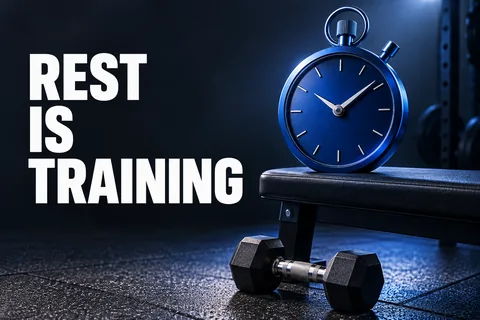
Quanto descansar entre séries: prepare a próxima
Escolha uma pausa inicial para força ou crescimento muscular e ajuste conforme a respiração, a técnica e as repetições planejadas. Não existe um tempo perfeito universal.
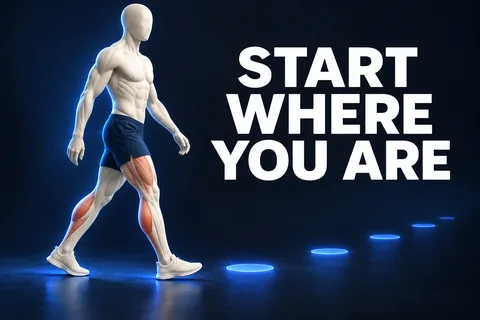
Quantos passos por dia você precisa? Comece pelo seu nível atual
Entenda os estudos sobre passos e escolha uma meta possível sem transformar 7000 ou 10000 passos em exigência para todos.
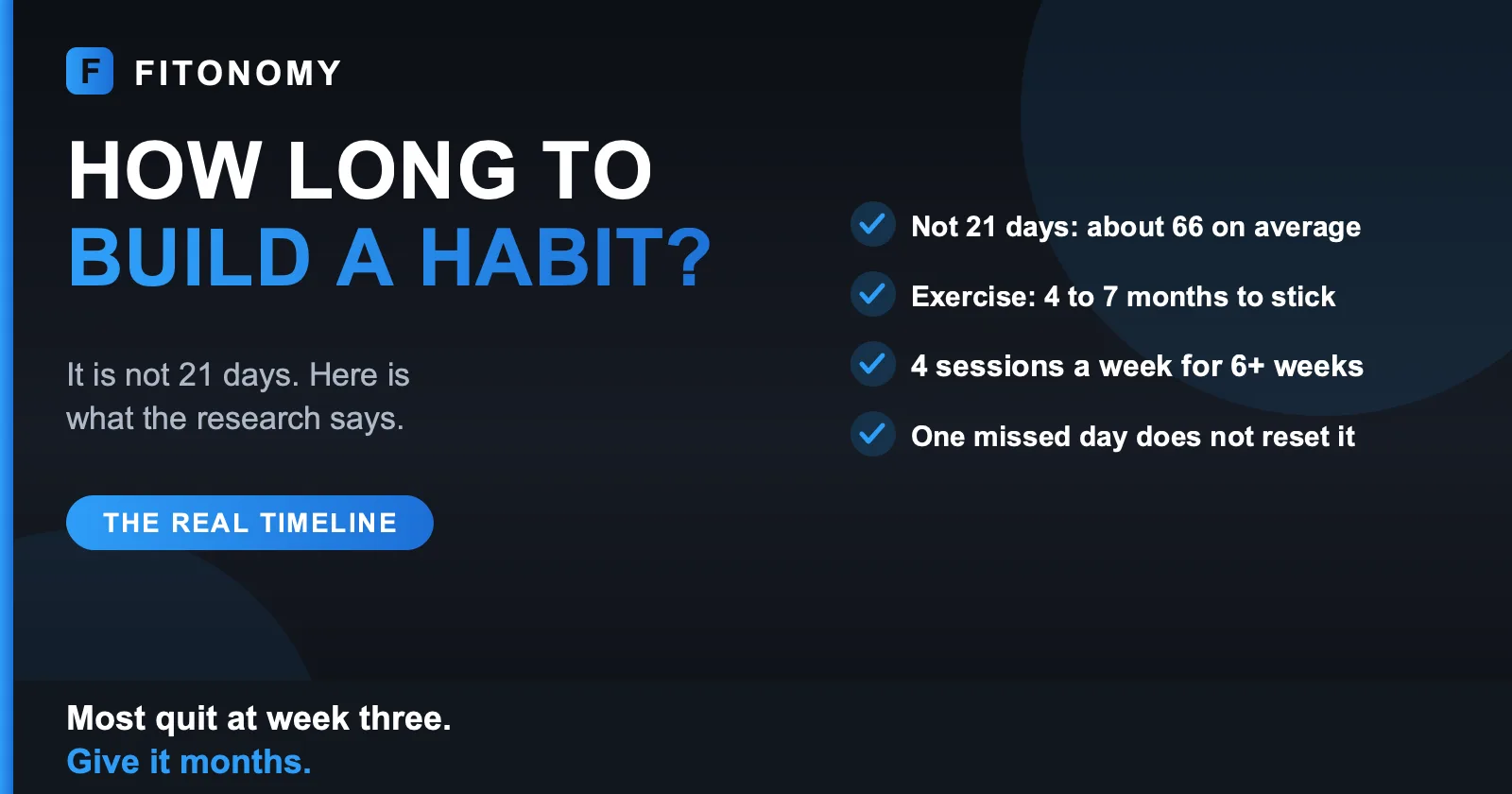
Quanto tempo leva para criar um hábito?
A formação de hábitos não tem prazo universal. A pesquisa mostra grande variação, então use um gatilho repetível, uma ação possível e registros honestos.
Alimentação ou exercício para perder peso: como usar os dois
Alimentação e atividade têm funções diferentes. Entenda a evidência e escolha hábitos viáveis sem promessas de resultados fixos.
As aplicações de treino funcionam? Como interpretar a evidência
As aplicações podem apoiar a atividade física, mas médias de estudos não são promessas pessoais. Avalia se ajudam a tua rotina.
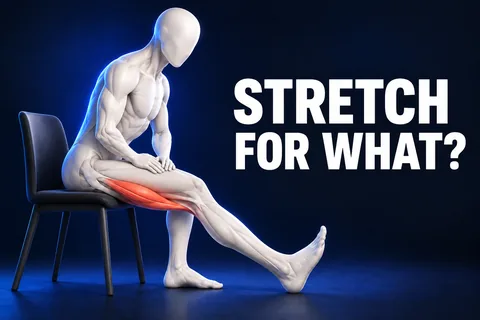
Alongar previne lesões e dor muscular?
Alongar pode ajudar a flexibilidade, mas não protege de todas as lesões nem evita dor muscular de forma confiável. Combine a prática com seu objetivo.
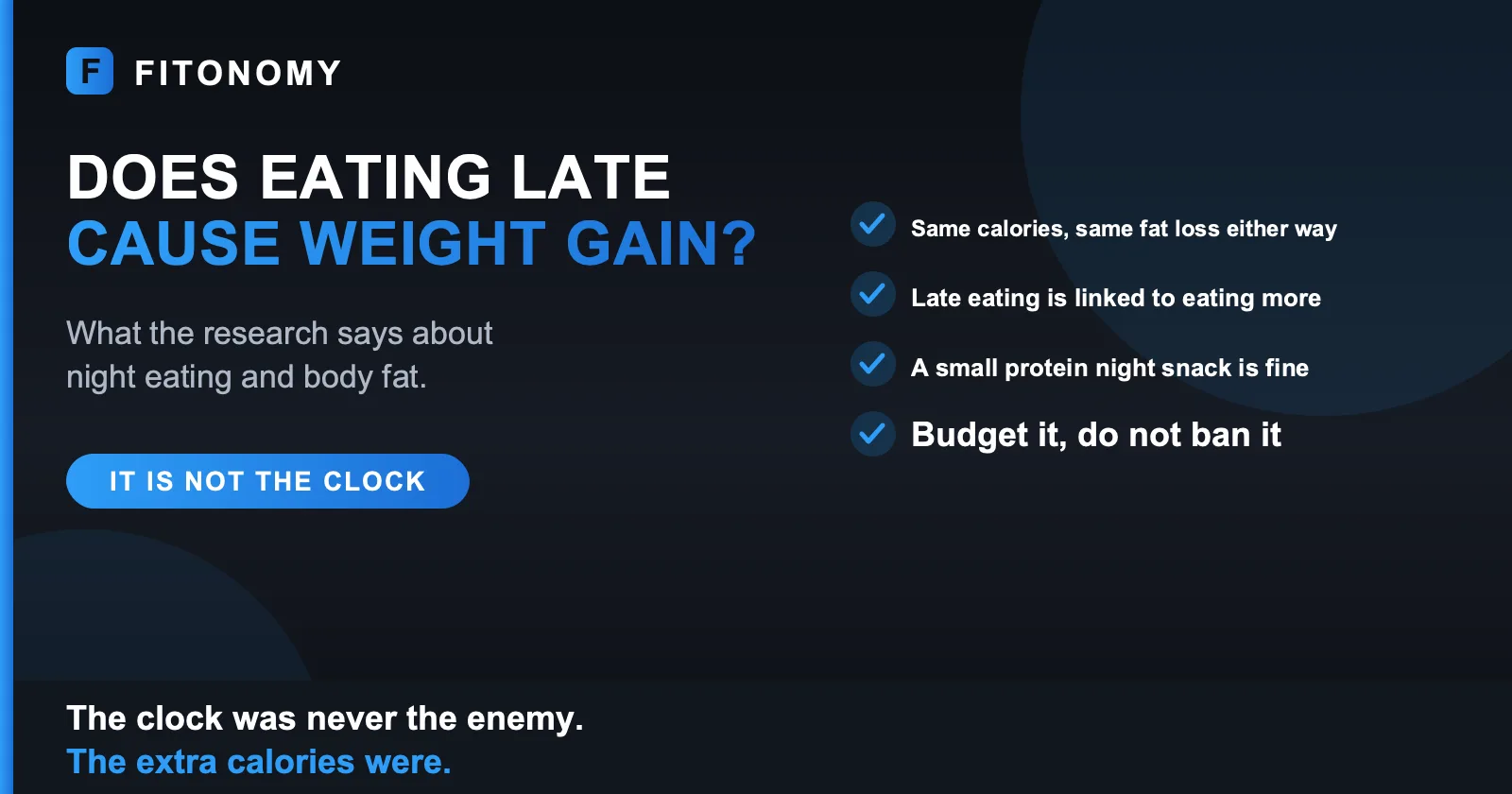
Does Eating Late at Night Make You Gain Weight?
Eating late at night does not magically turn into fat, calories do. When calories are controlled, late eaters and early eaters lose the same amount. But eating earlier can still help you lose more in real life, mostly by curbing hunger. Here is what the research actually shows and how to snack at night without gaining.
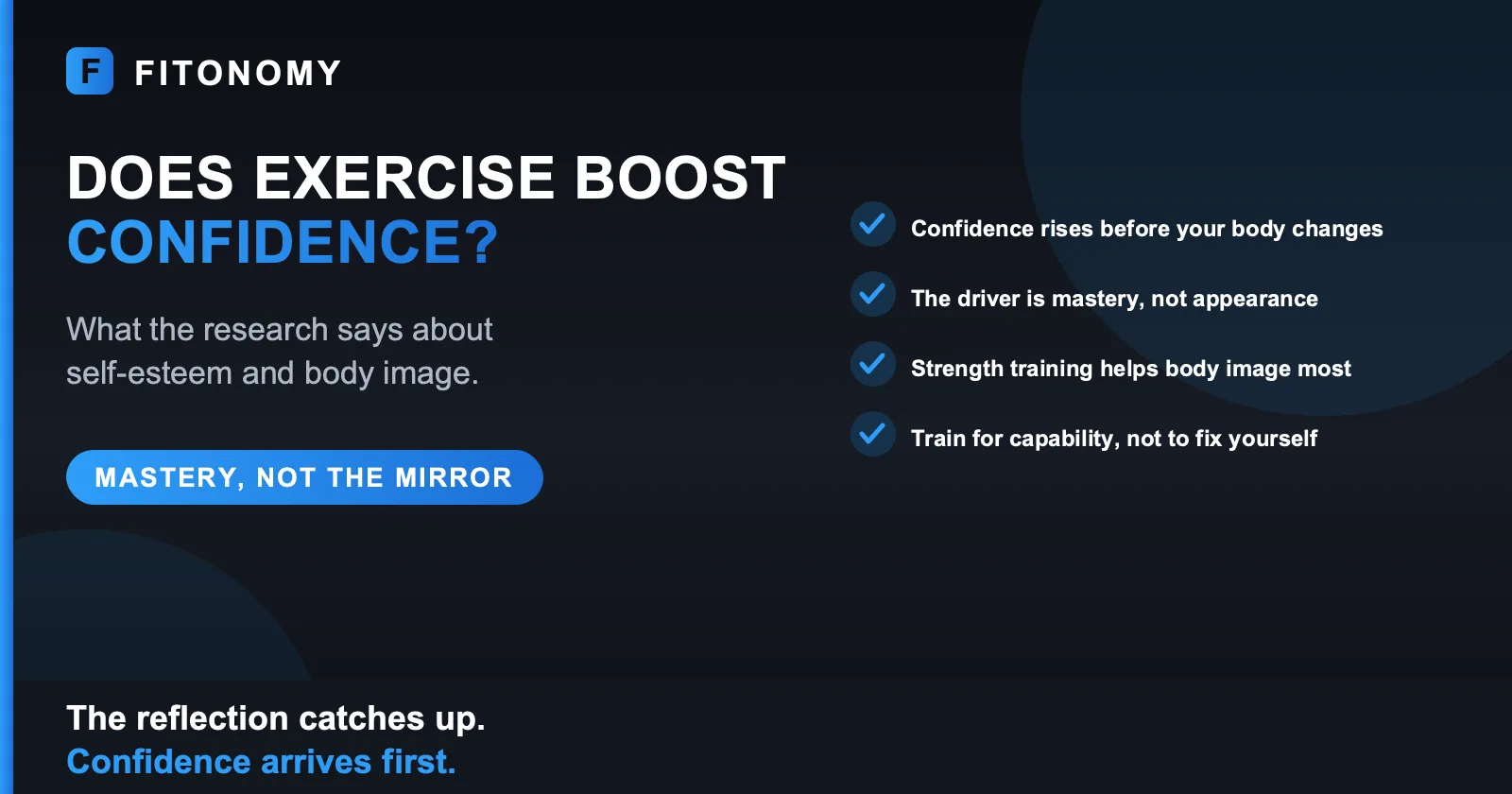
Does Exercise Boost Confidence and Self-Esteem?
Exercise reliably improves confidence, self-esteem, and body image in the research, but not mainly because your body changes. The bigger driver is the sense of mastery from doing something hard and getting better at it. Here is what the science shows and how to train for genuine confidence.
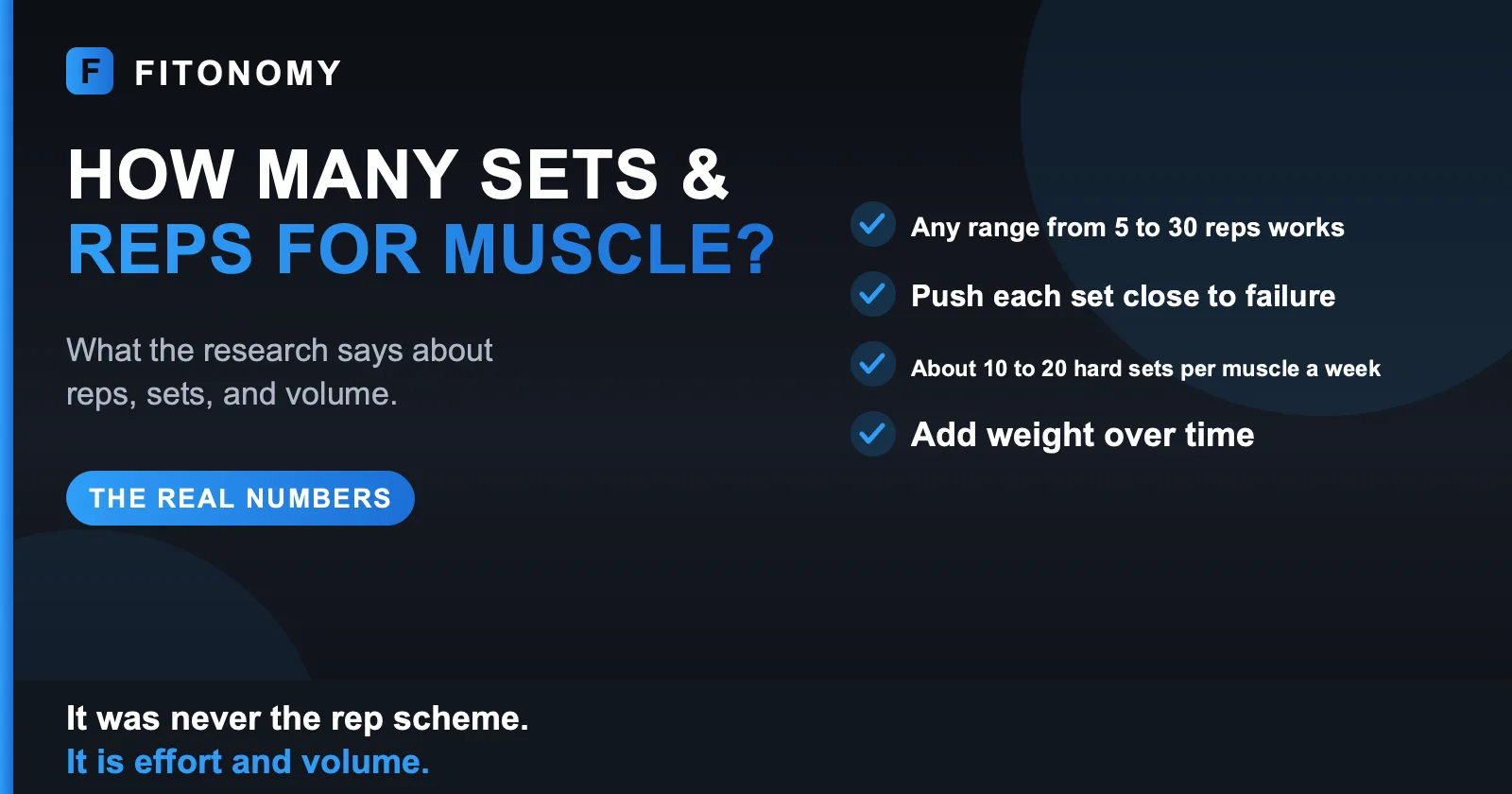
How Many Sets and Reps to Build Muscle?
You can build muscle across a huge range of reps, from about 5 to 30, as long as you push each set close to failure. What actually decides your growth is weekly volume, roughly 10 or more hard sets per muscle, plus progressive overload. Here is what the research shows about sets, reps, and how to program them.
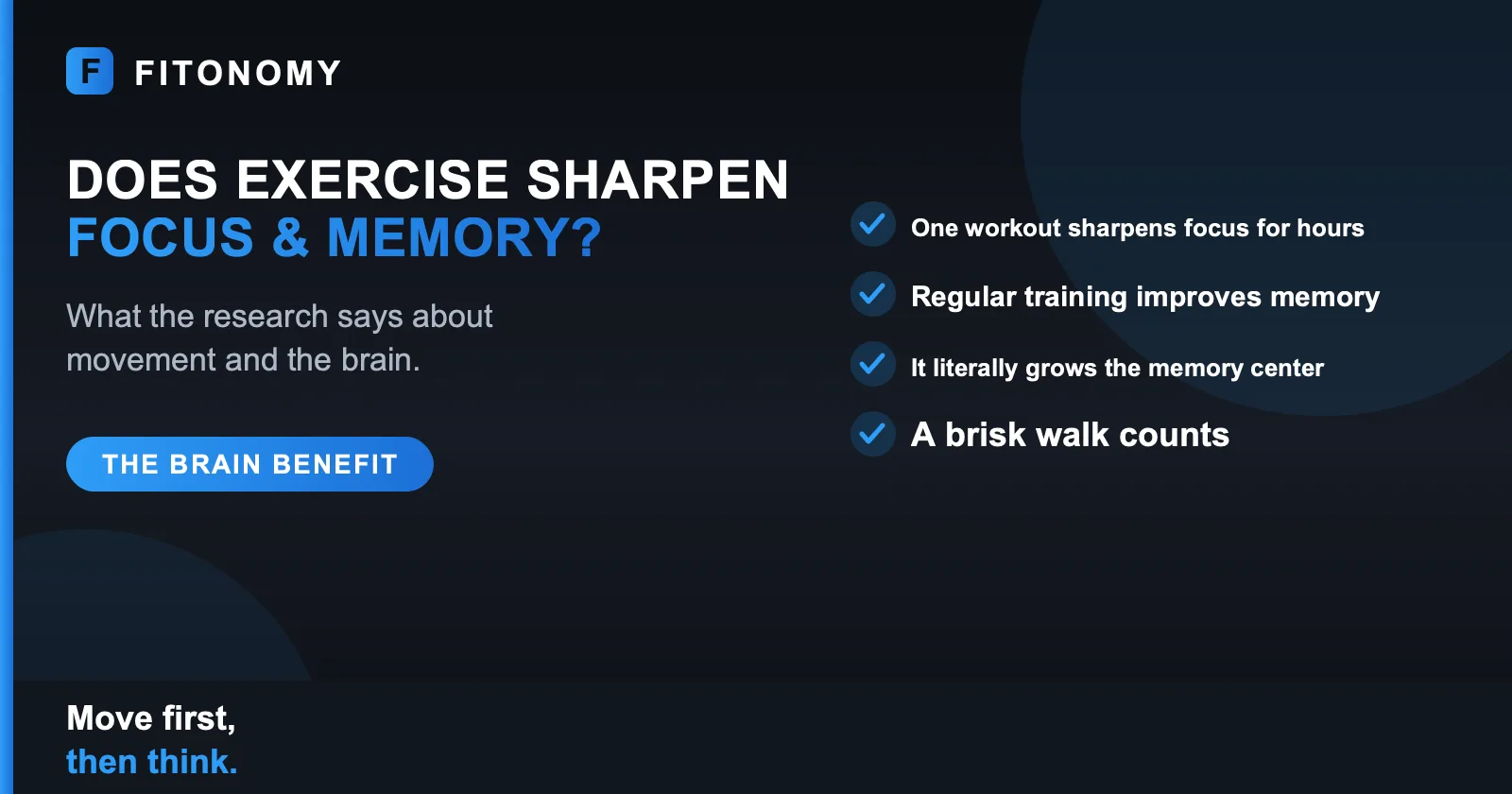
Does Exercise Improve Focus and Memory?
Exercise is one of the most reliable ways to sharpen your mind. A single workout boosts focus for a while, and regular training improves memory and even grows the brain memory center. Here is what the research shows about exercise, focus, and memory, and how to use a workout to think better.
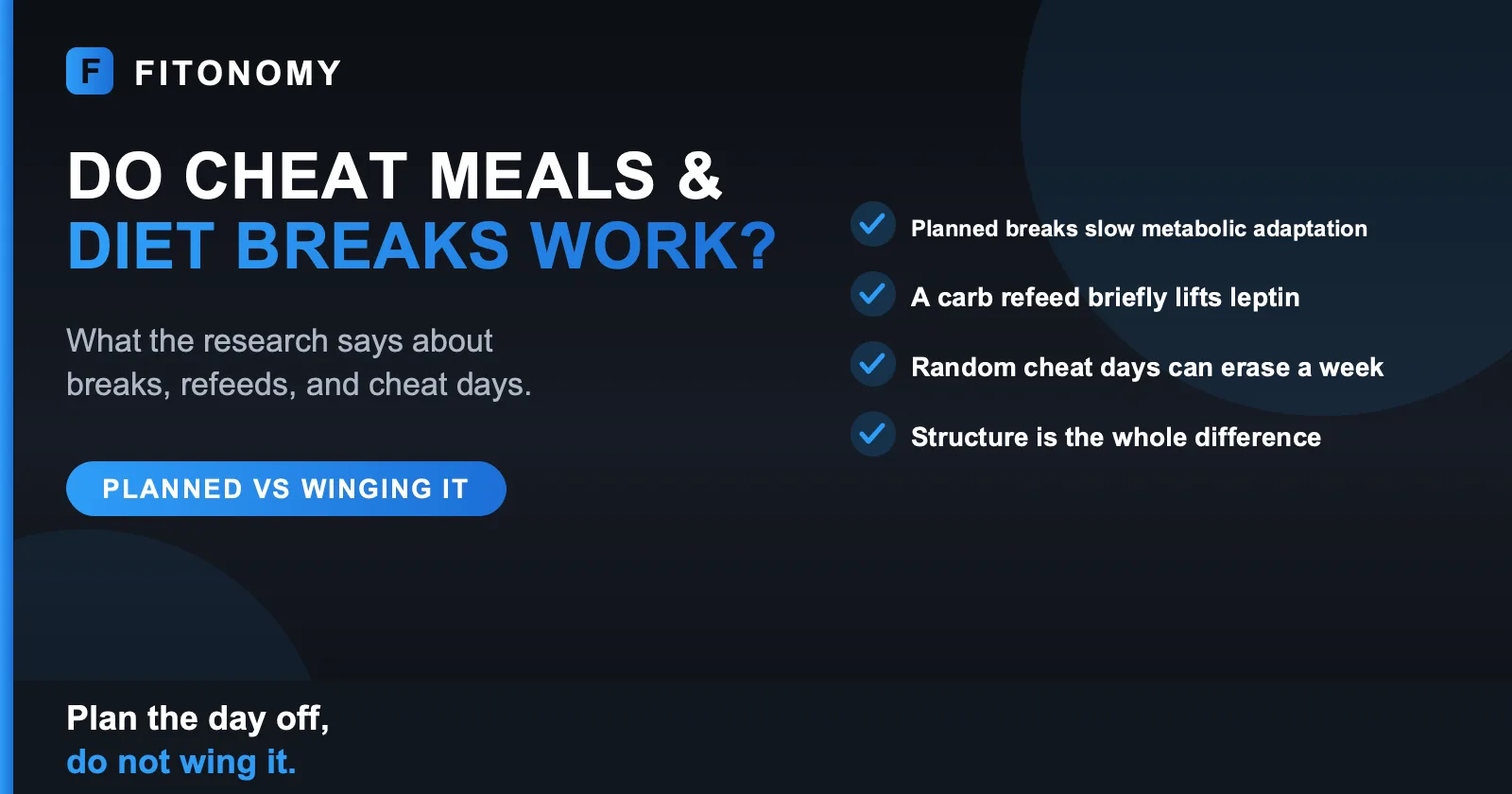
Do Cheat Meals and Diet Breaks Actually Work?
Planned diet breaks and refeeds have real science behind them, they can preserve your metabolism and make a long diet easier to stick to. Random cheat days are a different story. Here is what the research shows about breaks, refeeds, and cheat meals, and how to use them without wrecking your progress.
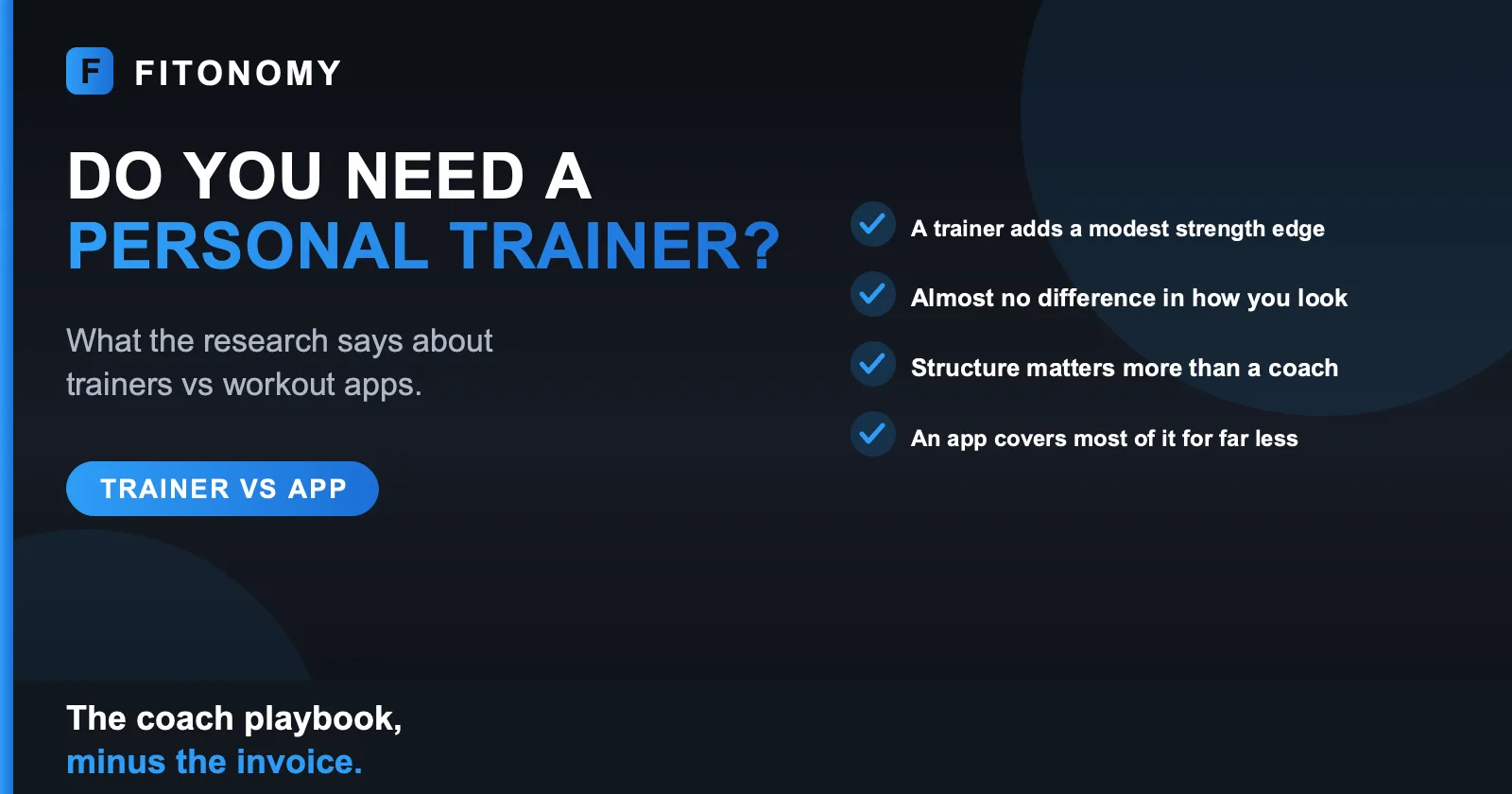
Do You Need a Personal Trainer, or Is a Workout App Enough?
A personal trainer produces a real but modest strength advantage, mostly by pushing you to lift heavier and keeping you accountable. For body composition the difference is trivial, and a good app beats going it alone. Here is what the research says about trainers vs apps, and when each one is worth it.
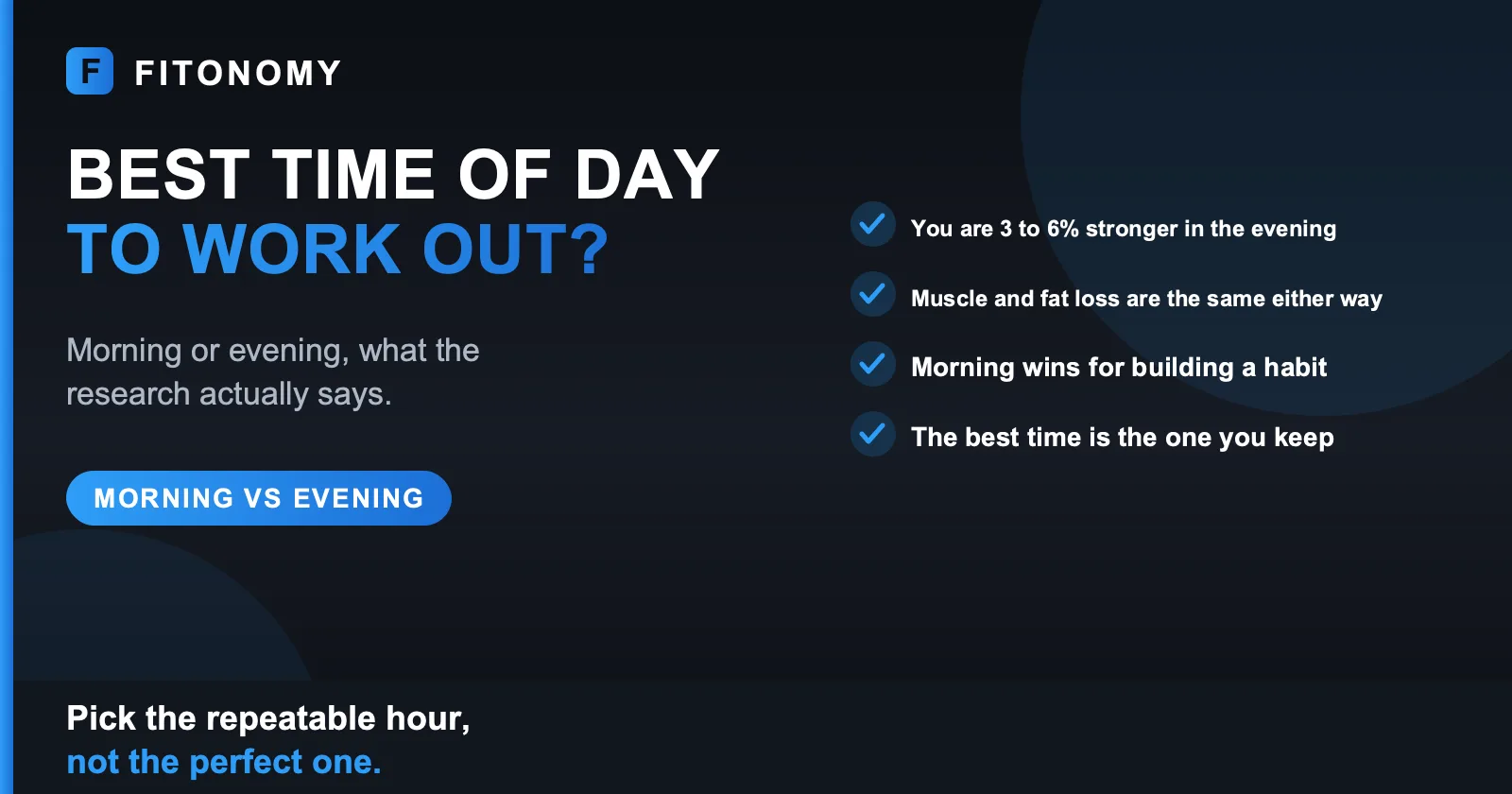
What Is the Best Time of Day to Work Out?
You are measurably stronger in the late afternoon, but morning training tends to build a more reliable habit, and long-term muscle and fat-loss results are nearly identical either way. The best time to work out is the one you can be consistent at. Here is what the science actually shows.
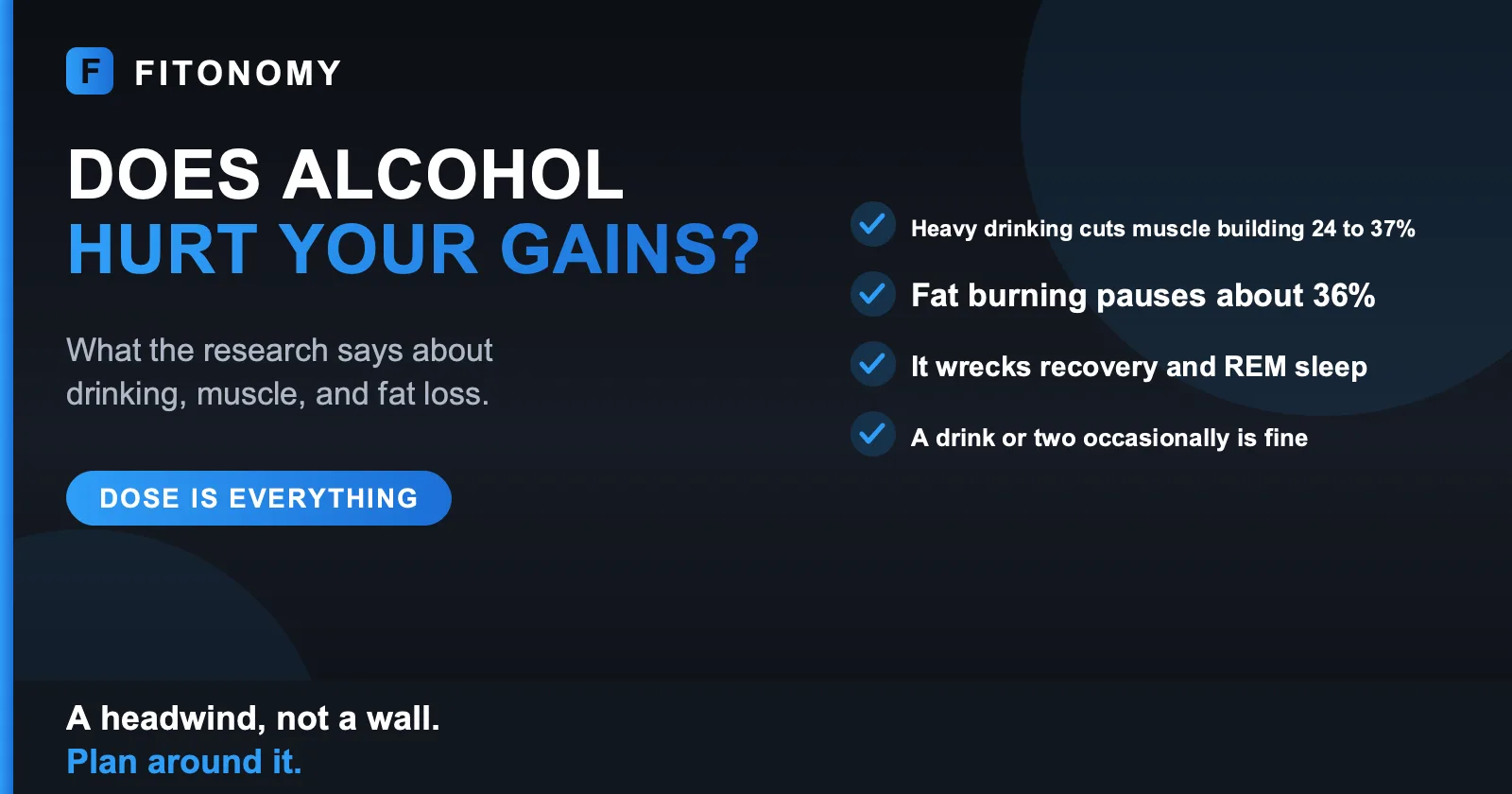
Does Alcohol Affect Muscle Growth and Fat Loss?
Alcohol does work against muscle and fat loss, mainly by blunting muscle protein synthesis, stalling fat burning, wrecking sleep, and lowering testosterone. But the damage is dose dependent, and an occasional drink or two will not undo your progress. Here is what the research shows and how to drink without derailing your goals.
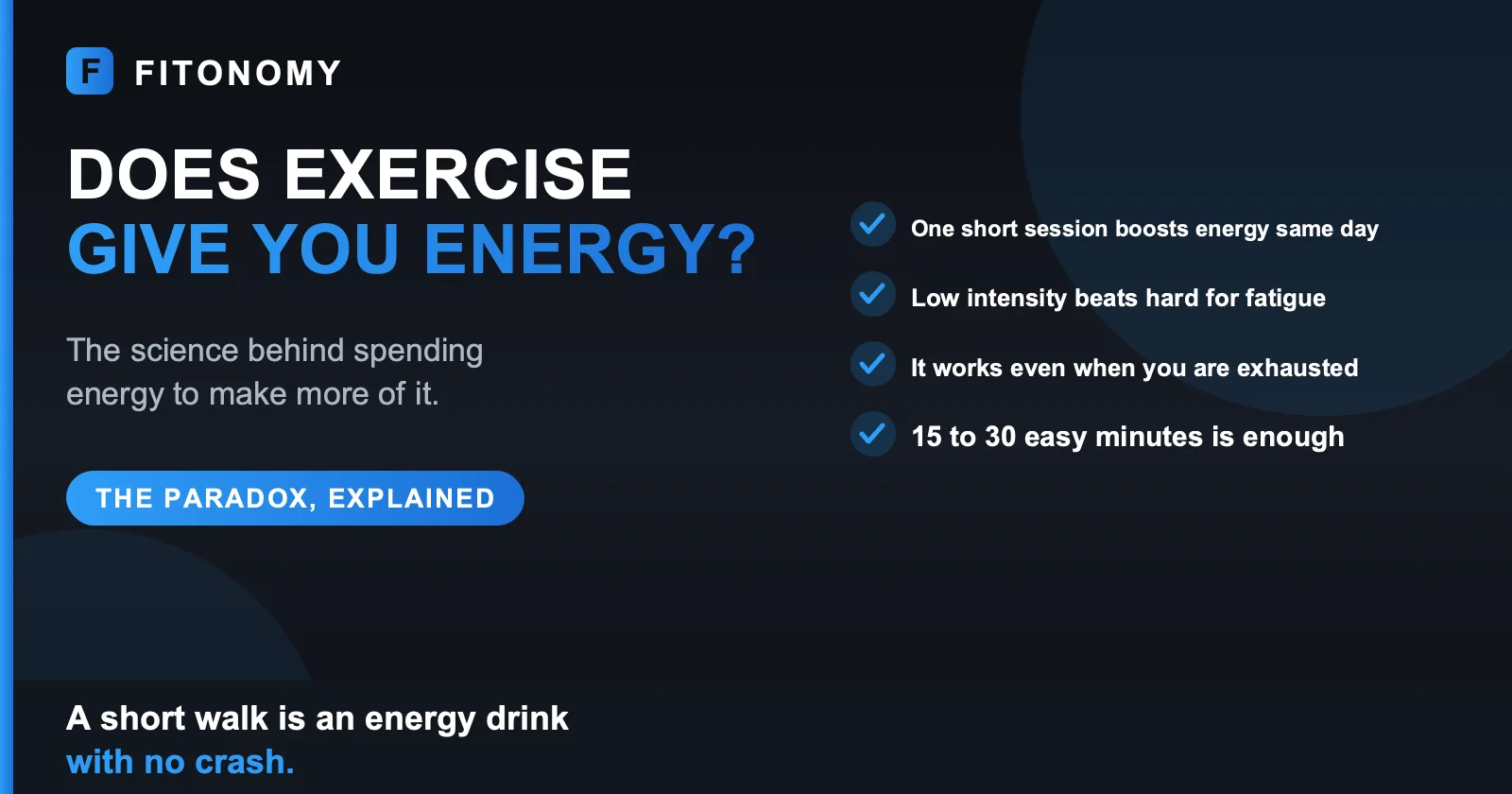
Does Exercise Actually Give You More Energy?
It sounds backwards, but spending energy on exercise reliably creates more of it. A single easy session boosts energy in the research, and low intensity works best for beating fatigue. Here is the science behind the paradox and how to use a short workout to feel less tired, not more.
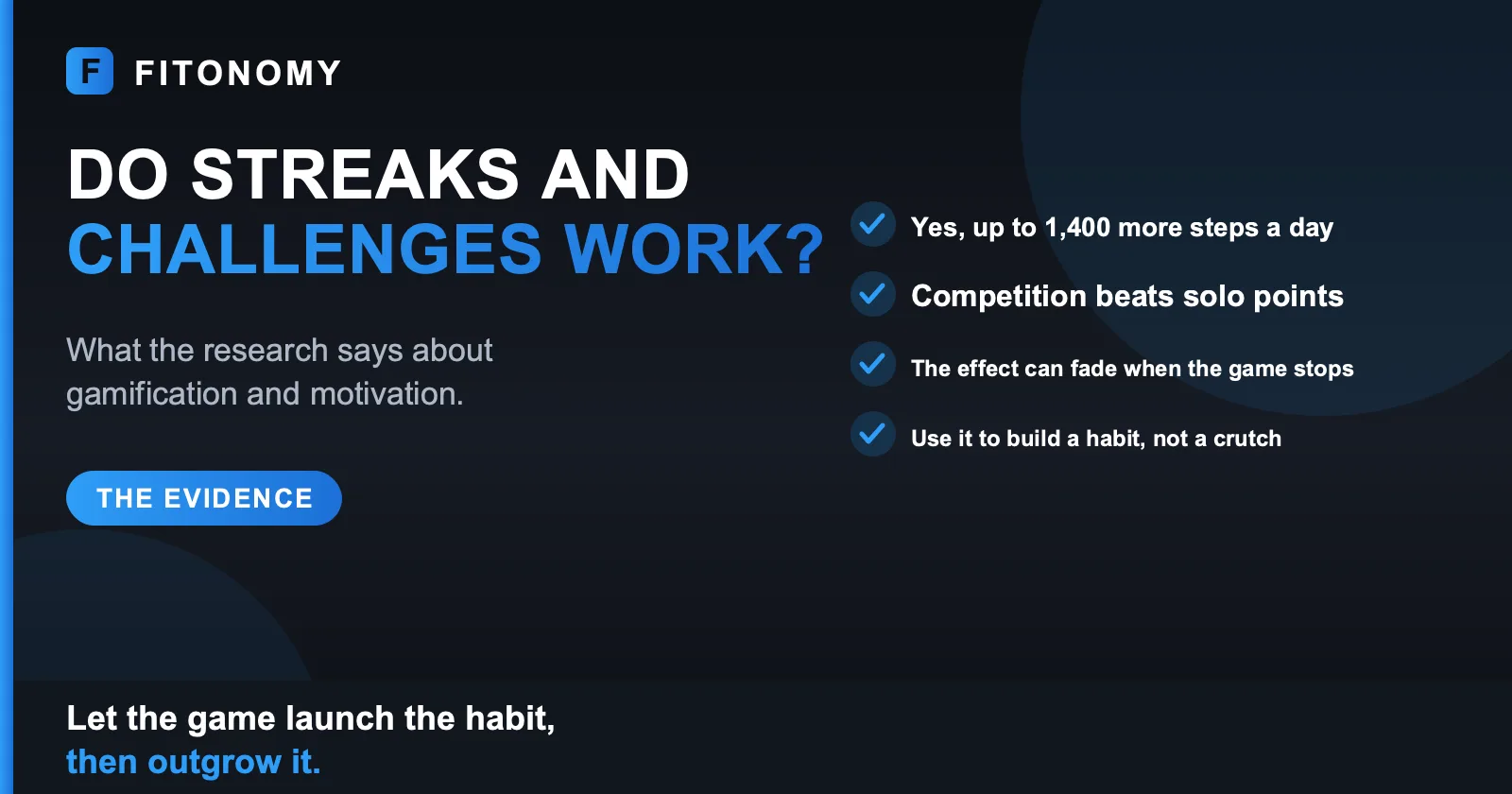
Do Fitness Streaks and Challenges Actually Work?
Streaks, challenges, and competition really do get people moving more, adding hundreds to over a thousand steps a day in controlled trials. But the effect can fade when the game stops, and pure rewards can backfire. Here is what the research shows and how to use gamification to build a habit that lasts.
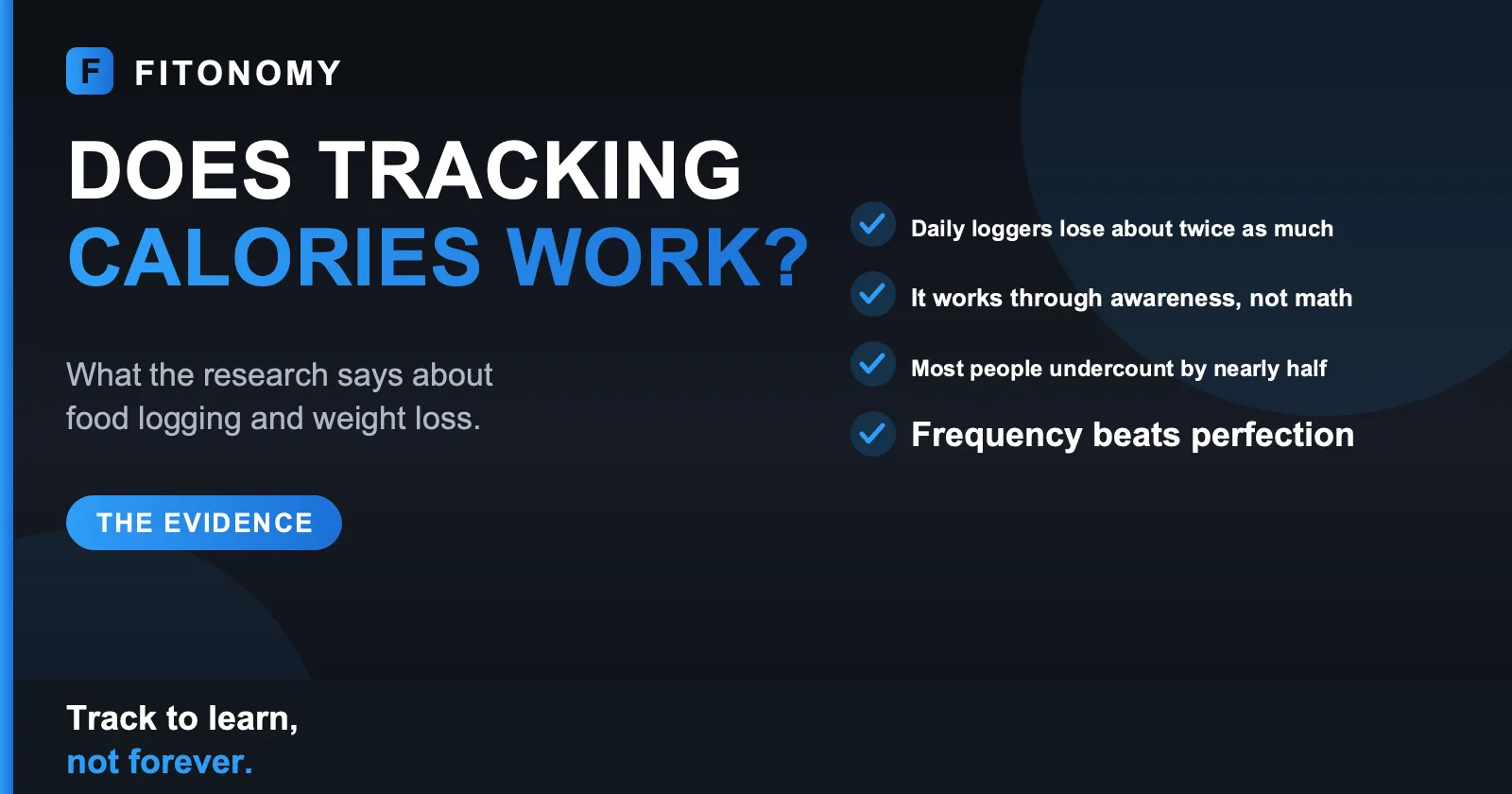
Does Tracking Calories Actually Work for Weight Loss?
Tracking your food is one of the most reliable predictors of weight loss in the research, with daily loggers losing about twice as much as those who do not. It works through awareness, not obsession. Here is what the science shows, why people get their numbers wrong, and how to track in a way that actually sticks.
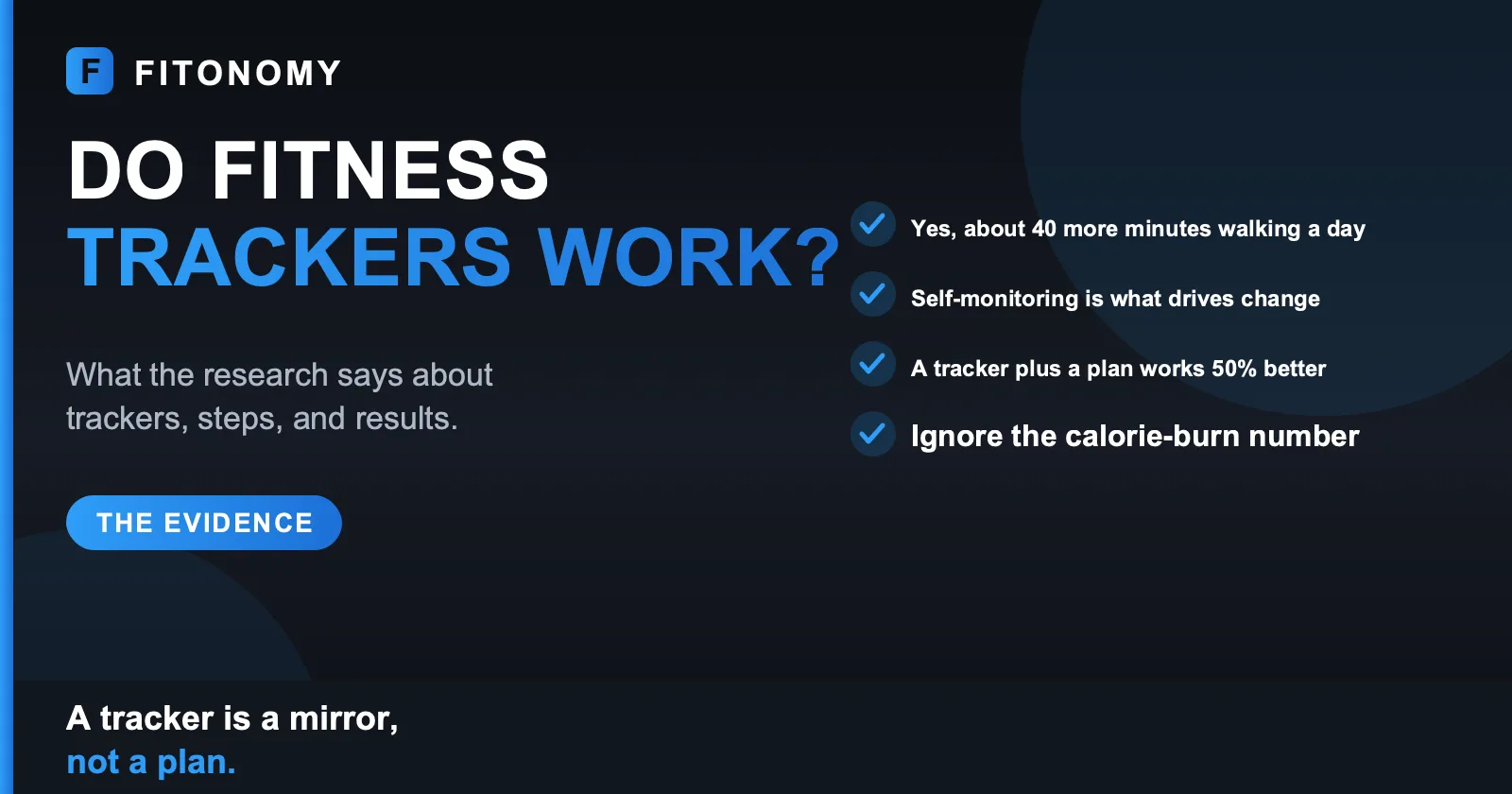
Do Fitness Trackers Actually Work? What the Research Says
Fitness trackers really do increase activity and help with weight loss, but the effect is modest and the calorie numbers are often wrong. The research shows a tracker works best when paired with goals and a plan, not worn on its own. Here is what the science says and how to actually get results from yours.
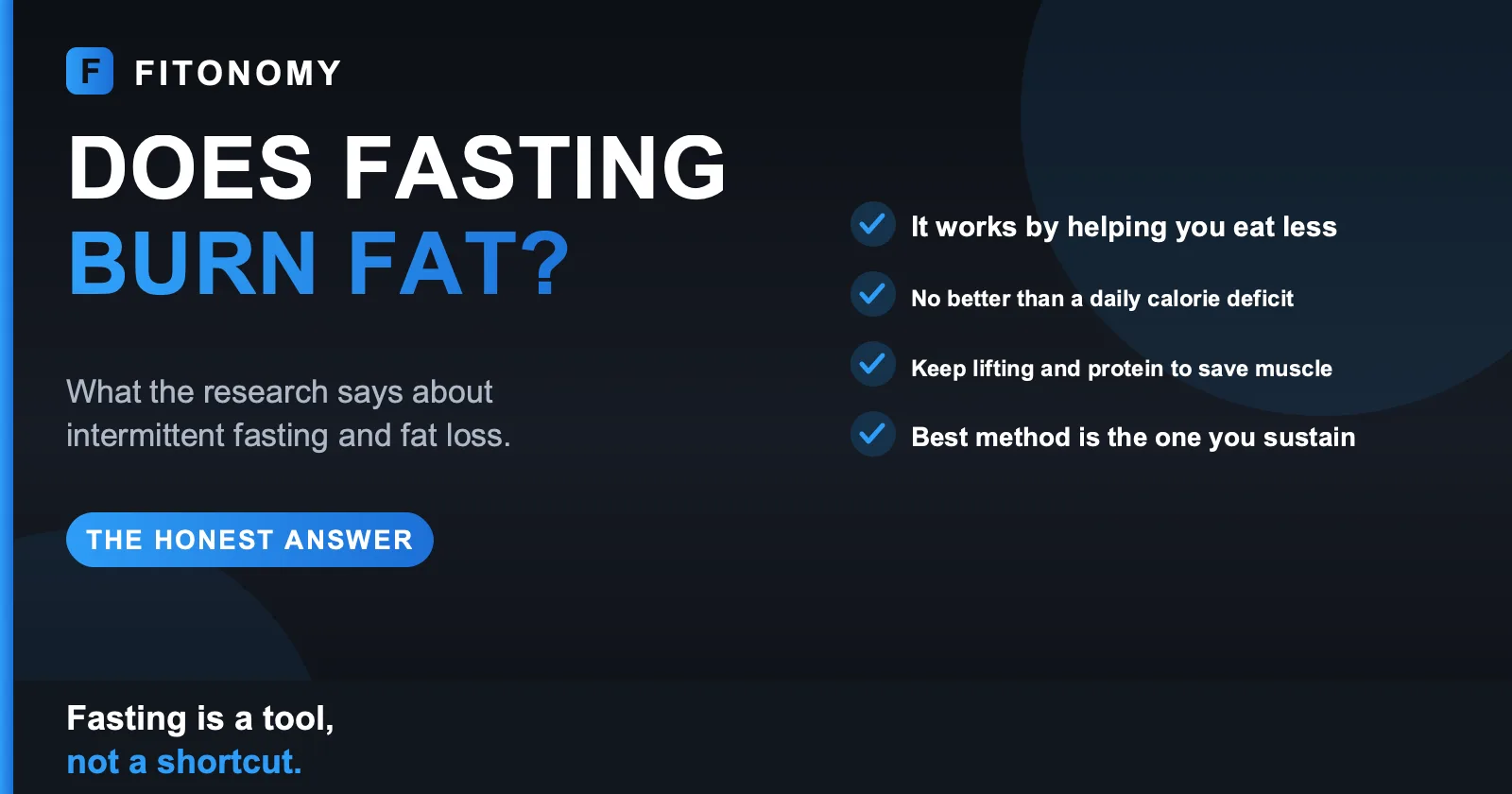
Does Intermittent Fasting Work for Fat Loss? What the Science Says
Intermittent fasting works for fat loss, but not for the reason most people think. In head to head trials it is no better than simply eating fewer calories. It is a tool for eating less, not a metabolic trick. Here is what the science actually shows and how to do it without losing muscle.
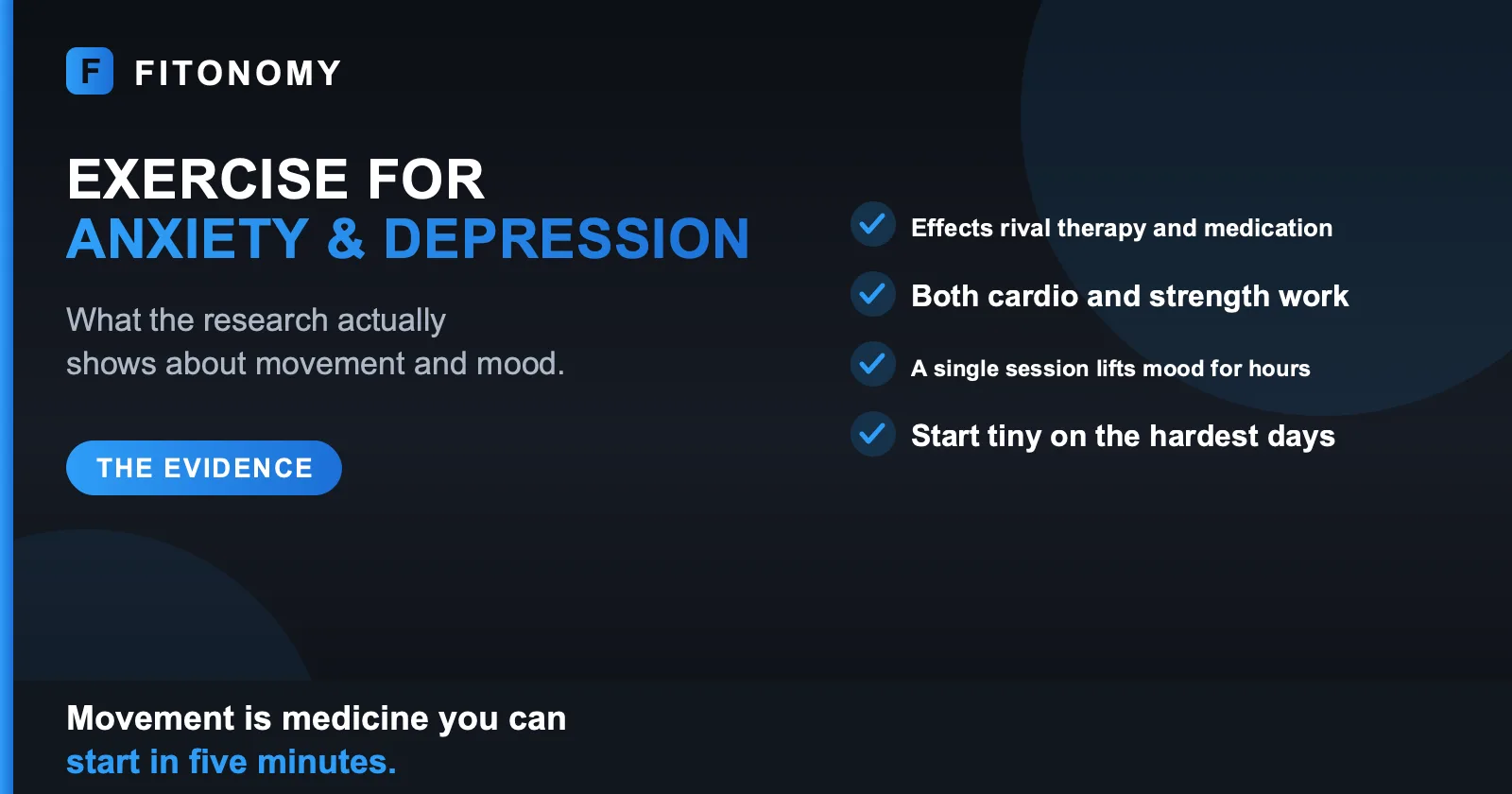
Does Exercise Help With Anxiety and Depression? What the Research Shows
Exercise is one of the most evidence-backed things you can do for your mood, with effects on depression and anxiety comparable to therapy or medication in the research. Here is what the studies actually show, which type of exercise helps most, how much you need, and how to start when you least feel like it.
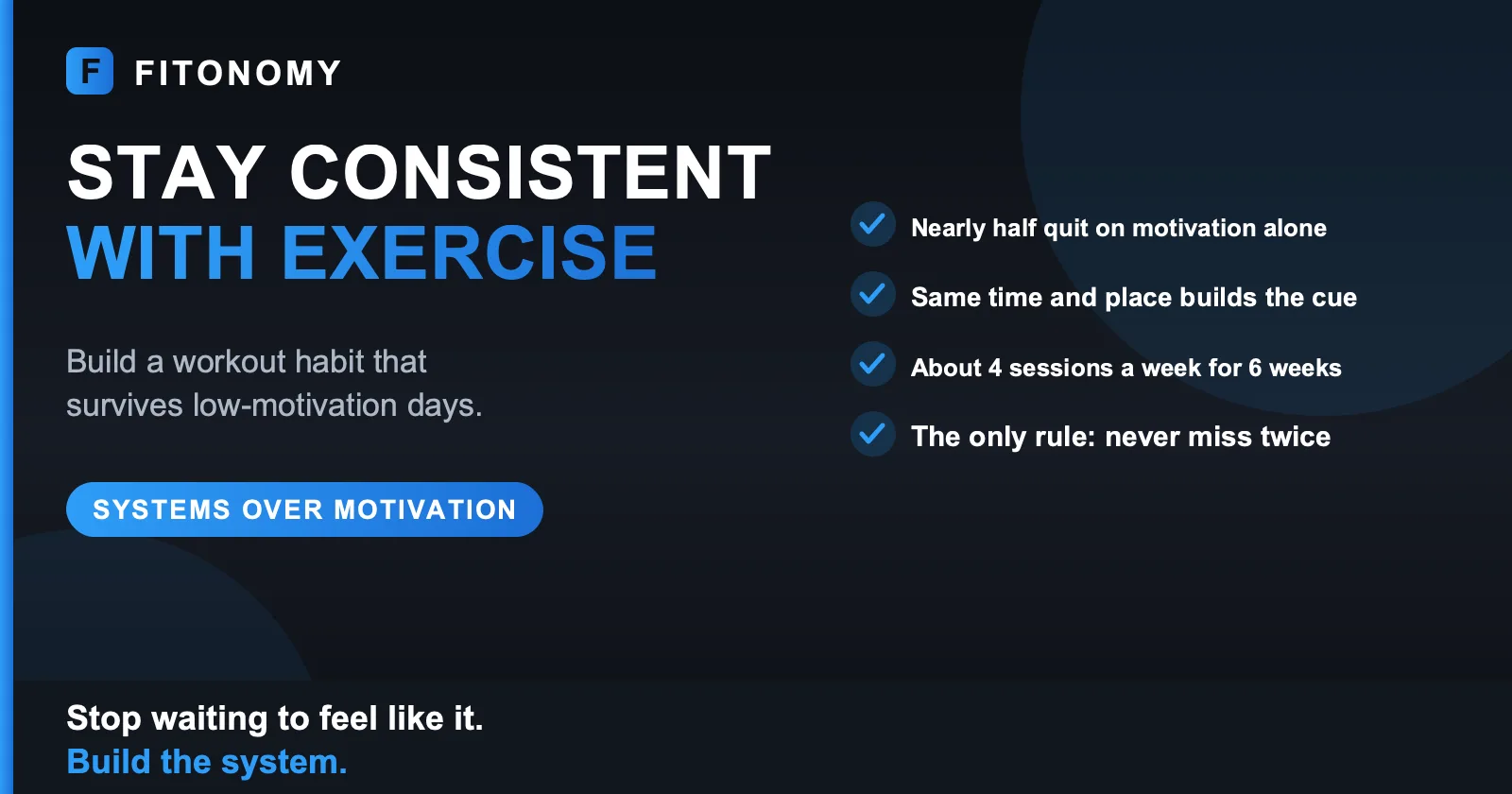
How to Stay Consistent With Exercise When Motivation Fails
Almost half of people who intend to exercise never follow through, and motivation is why. The fix is not more willpower, it is a system. Here is what the research says about building a workout habit that survives the days you do not feel like it.
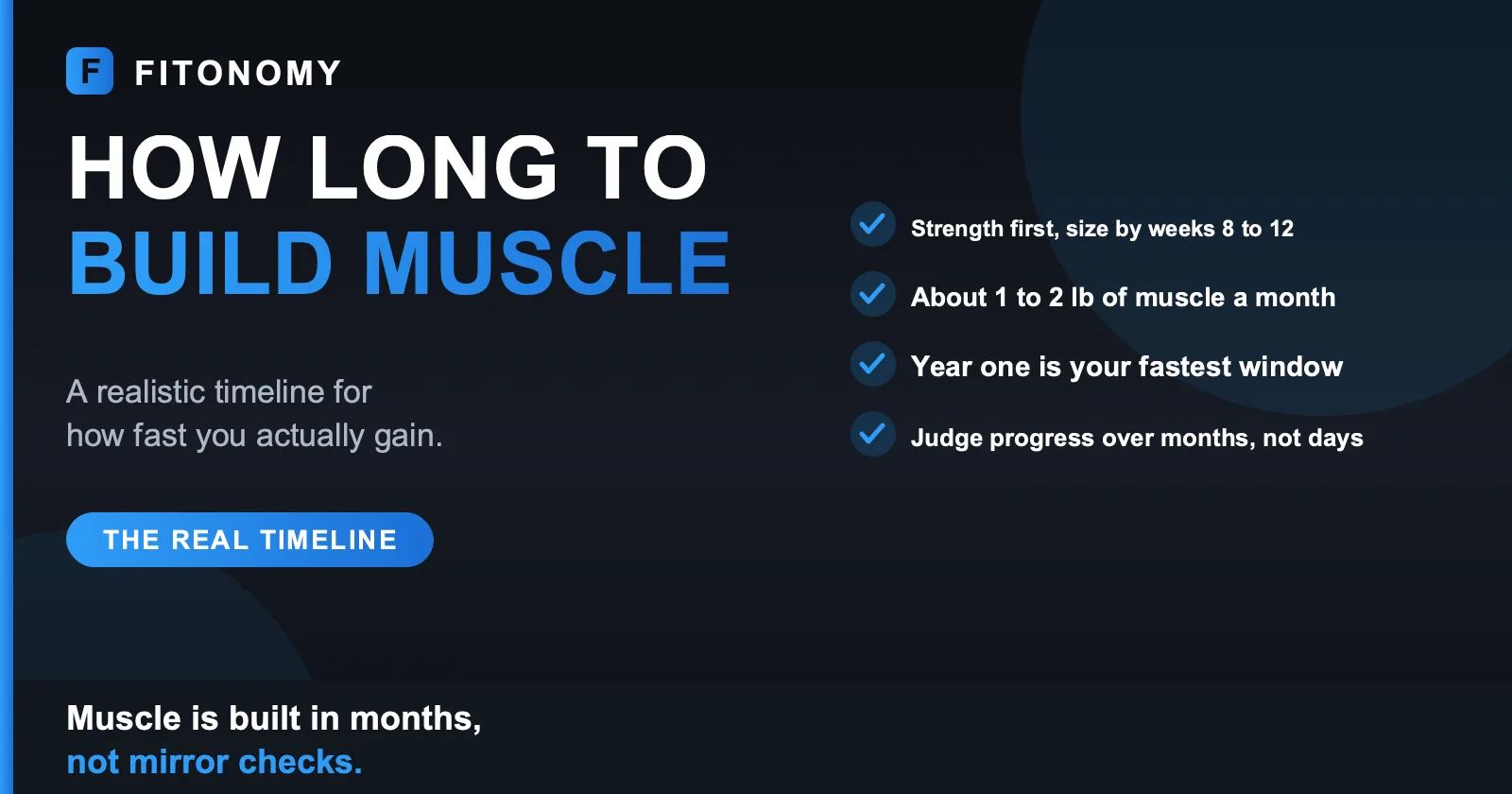
How Long Does It Take to Build Muscle? A Realistic Timeline
You will not see muscle in two weeks, and that is normal. Real hypertrophy starts around week three to four and shows on the mirror closer to eight to twelve weeks. Here is a realistic month by month timeline, how many pounds you can actually gain, and why beginners grow fastest.