Fitness, nutrition, and mindset
Practical guidance from Fitonomy Coach to help you train smarter, eat better, and stay consistent.
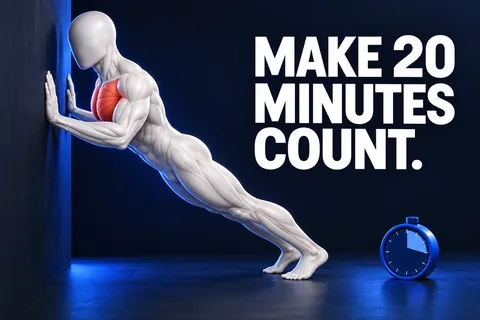
A 20 Minute Beginner Workout Without Rushing
Fit preparation, simple exercises, rest and a gradual finish into twenty minutes. Use the clock to organize your session, not to rush repetitions.
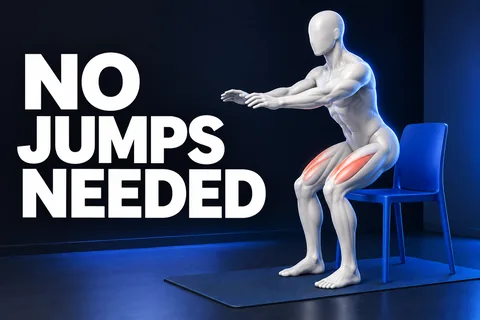
A Quiet Apartment Workout Without Jumping
Build a manageable home session with controlled movements, quieter transitions and simple ways to adjust the challenge.
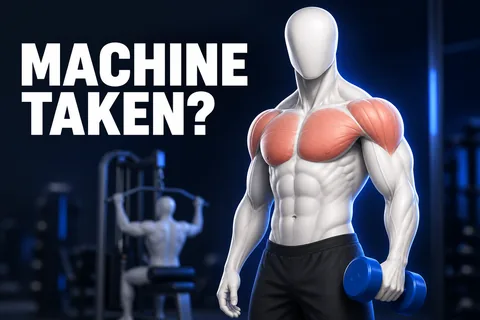
A Beginner Workout for a Busy Gym: Have a Familiar Backup
Machine taken? Use a simple decision process, familiar exercise options and a separate record for each setup to keep your gym session manageable.
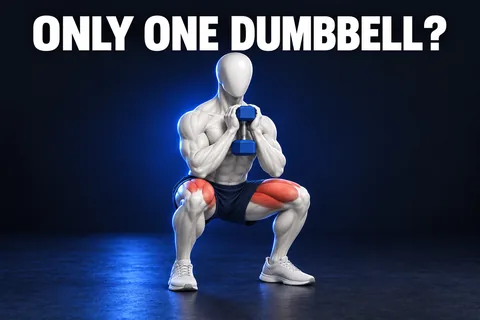
A Full Body Workout With One Dumbbell
Build a beginner session with one dumbbell and bodyweight exercises. Learn the sequence, comfortable starting options and what to do when the weight does not fit.
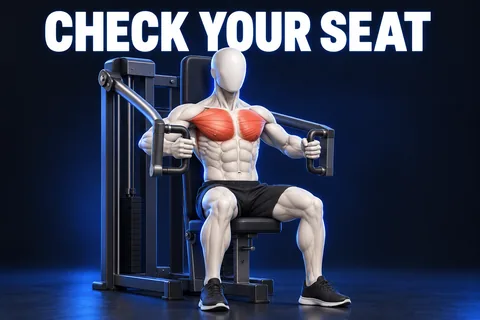
Chest Press Machine for Beginners: Seat Setup and Control
Learn how to adjust a chest press machine, choose a manageable starting load and press with control. Record your seat setting before adding weight.
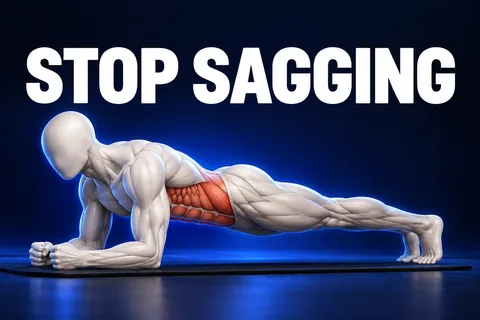
Forearm Plank for Beginners: Start With Steady Alignment
Learn forearm plank setup, a version with knees supported and short practice holds. Keep breathing and check alignment before chasing a longer time.
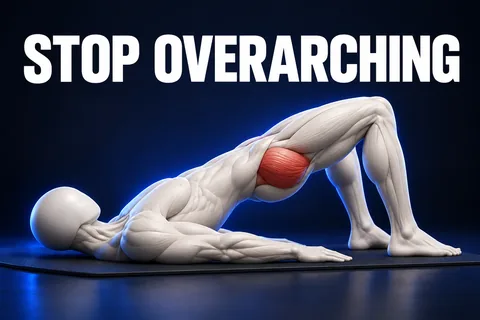
Glute Bridge for Beginners: Lift Your Hips Without Overarching
Learn a simple floor glute bridge with steady feet, a controlled lift and a manageable starting set. Check common mistakes before adding difficulty.
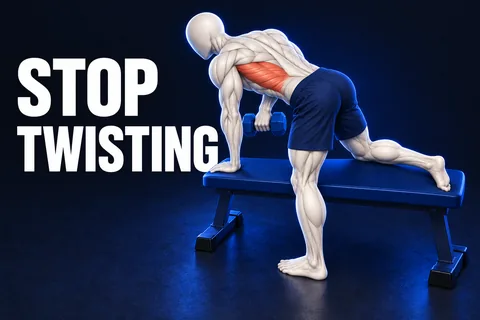
Dumbbell Row for Beginners: Bench Setup and Torso Control
Learn a supported dumbbell row with a stable bench, controlled elbow movement and a steady torso. Choose a manageable weight and record each side clearly.
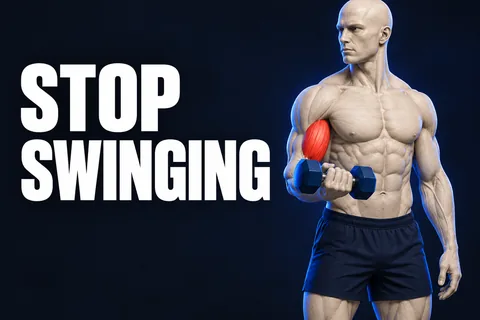
Dumbbell Biceps Curl for Beginners: Form and Weight Choice
Learn a controlled dumbbell curl with steady elbows and straight wrists. Choose a manageable weight, spot common mistakes and record useful progress.
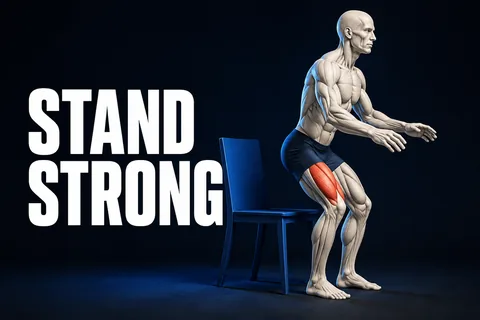
Sit to Stand Exercise for Beginners: Chair Setup and Technique
Practice standing from a chair and sitting down with control. Learn a stable setup, a manageable starting dose and what to record before progressing.
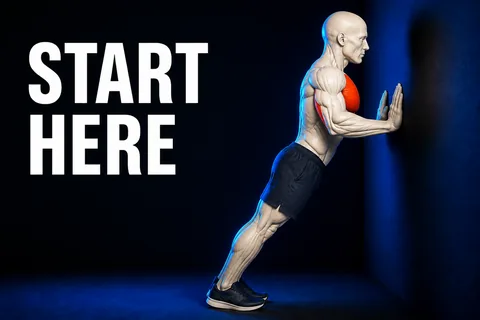
Wall Push Ups for Beginners: Form, Reps and Progression
Learn wall push ups with a stable setup, controlled repetitions and simple form checks. Build a repeatable starting point before making the exercise harder.
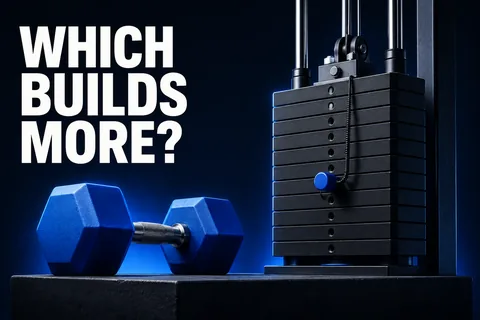
Machines vs Free Weights: What Should Beginners Choose?
Compare machines and free weights for muscle growth, strength and everyday gym use. Choose equipment you can set up, control and progress with.
When to Increase Weights: Progressive Overload for Beginners
Add reps or pick up a heavier weight? Use this practical progression guide to choose your next step, handle large weight jumps and recognize when to hold steady.
How Long to Rest Between Sets: Match the Next Set
Choose a useful starting rest interval for strength or muscle growth, then adjust it to your breathing, technique and planned repetitions. There is no universal perfect timer.
How Many Steps a Day Do You Need? Start With Your Baseline
Understand the evidence behind daily step counts and choose a manageable goal without treating 7000 or 10000 steps as a universal requirement.
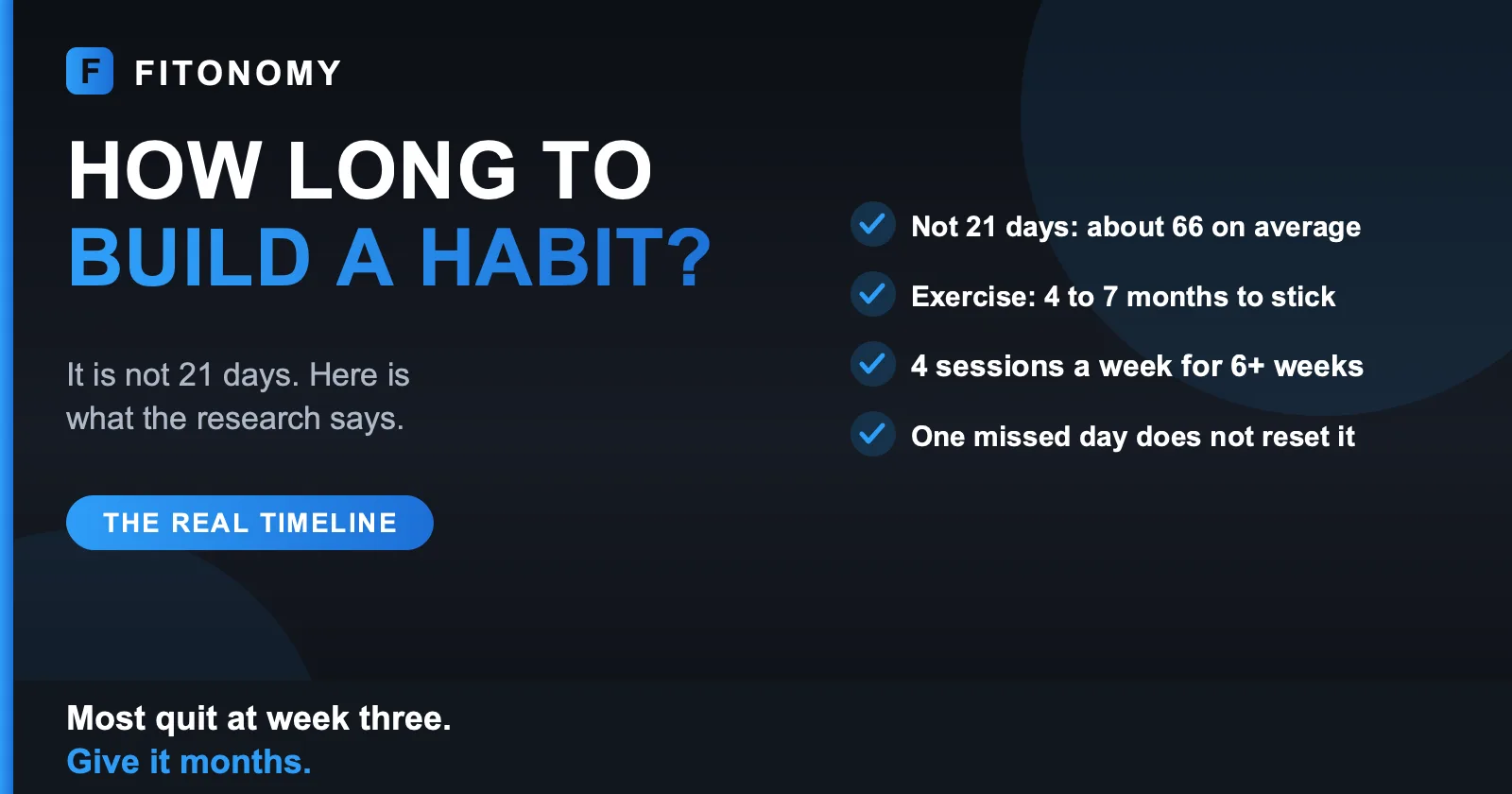
How Long Does It Take to Build a Habit?
Habit formation has no universal deadline. Research shows wide variation, so use a repeatable cue, a manageable action and honest tracking over time.
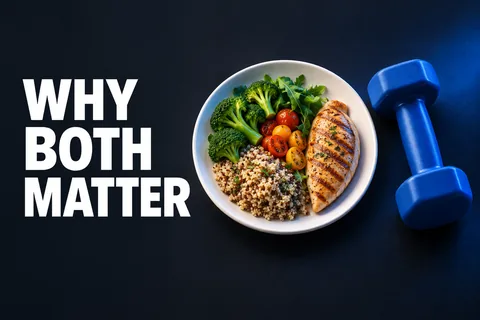
Diet or Exercise for Weight Loss: How to Use Both
Food changes and physical activity play different roles. Understand the evidence and choose manageable habits without promises of a fixed result.
Do Workout Apps Actually Work? What the Evidence Means
Workout apps can support physical activity, but study averages are not personal promises. Learn how to judge whether an app helps your routine.
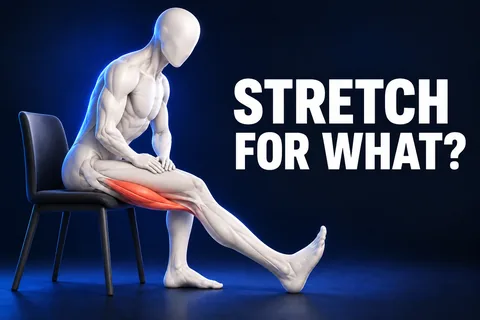
Does Stretching Prevent Injury and Soreness?
Stretching can support flexibility, but it is not a blanket injury prevention strategy or a reliable way to avoid soreness. Match it to your goal.
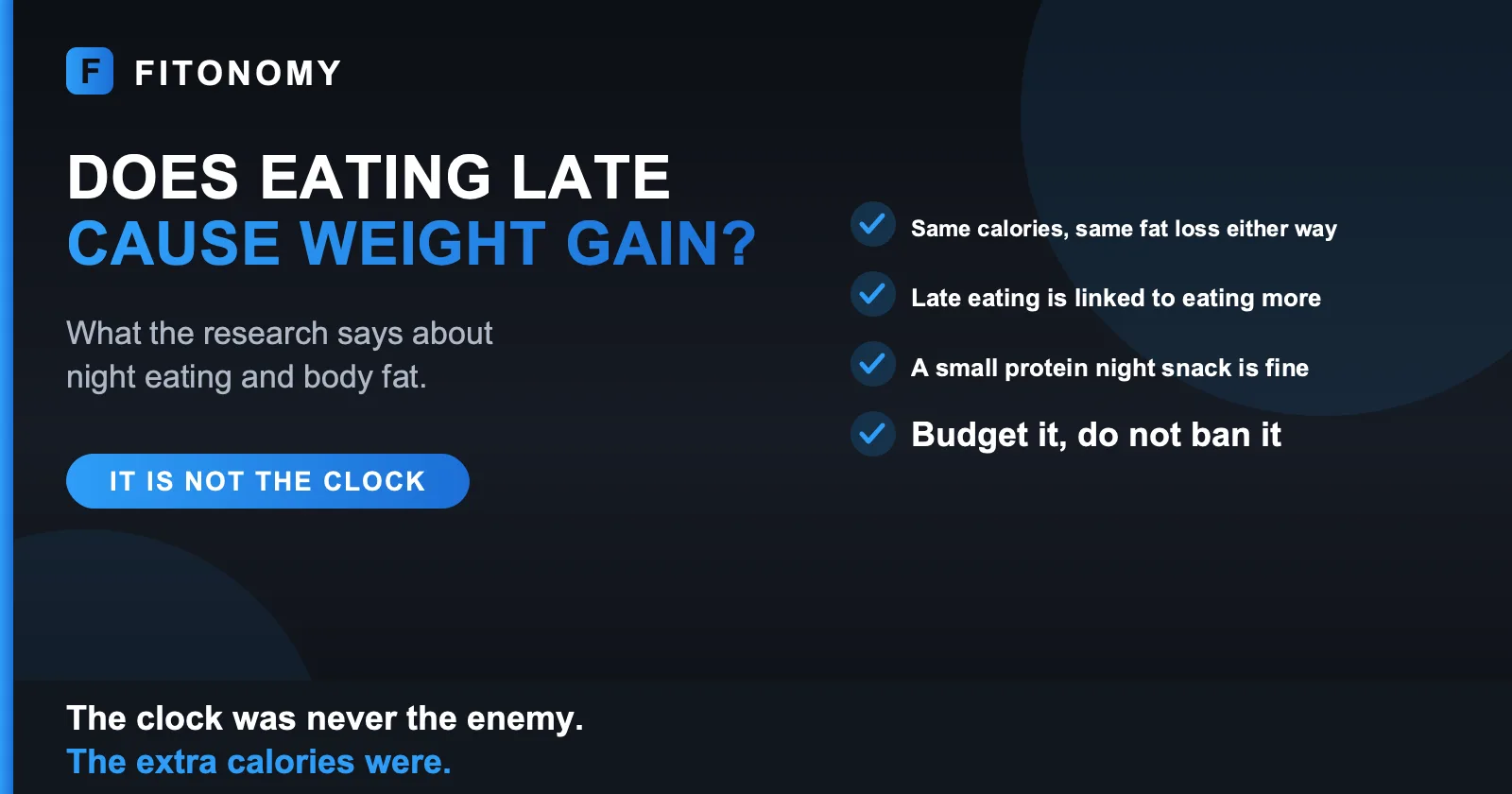
Does Eating Late at Night Make You Gain Weight?
Eating late at night does not magically turn into fat, calories do. When calories are controlled, late eaters and early eaters lose the same amount. But eating earlier can still help you lose more in real life, mostly by curbing hunger. Here is what the research actually shows and how to snack at night without gaining.
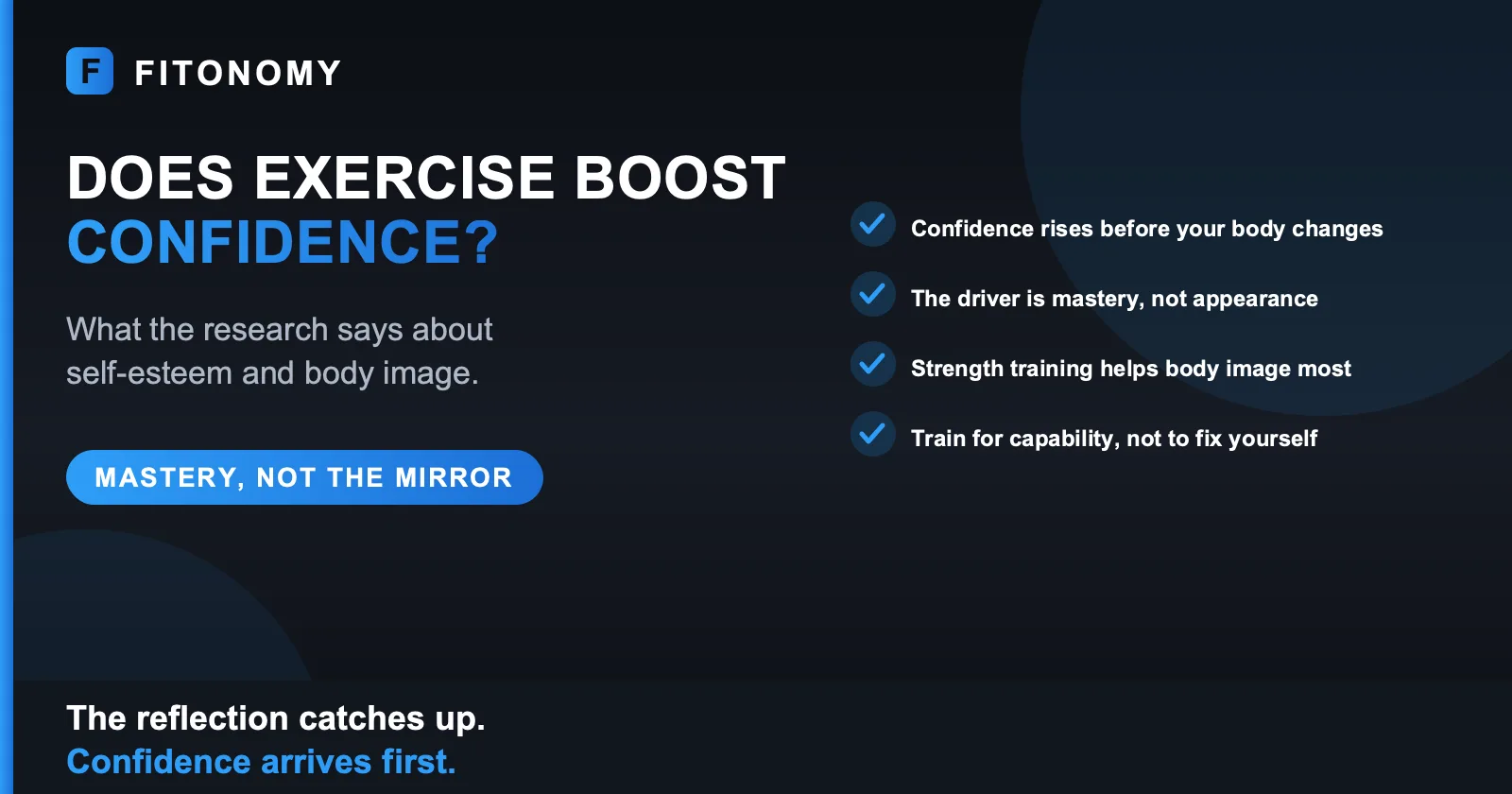
Does Exercise Boost Confidence and Self-Esteem?
Exercise reliably improves confidence, self-esteem, and body image in the research, but not mainly because your body changes. The bigger driver is the sense of mastery from doing something hard and getting better at it. Here is what the science shows and how to train for genuine confidence.
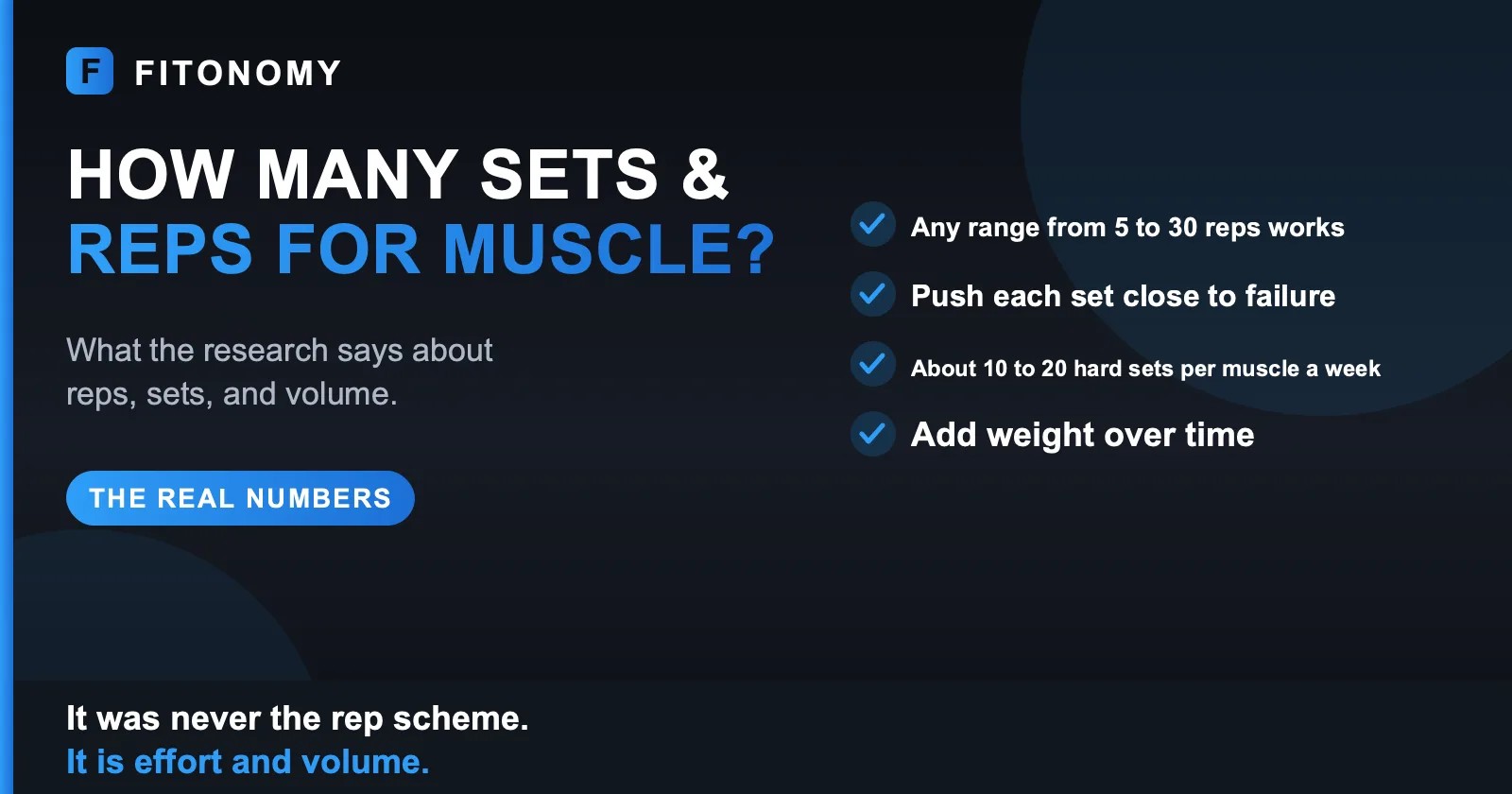
How Many Sets and Reps to Build Muscle?
You can build muscle across a huge range of reps, from about 5 to 30, as long as you push each set close to failure. What actually decides your growth is weekly volume, roughly 10 or more hard sets per muscle, plus progressive overload. Here is what the research shows about sets, reps, and how to program them.
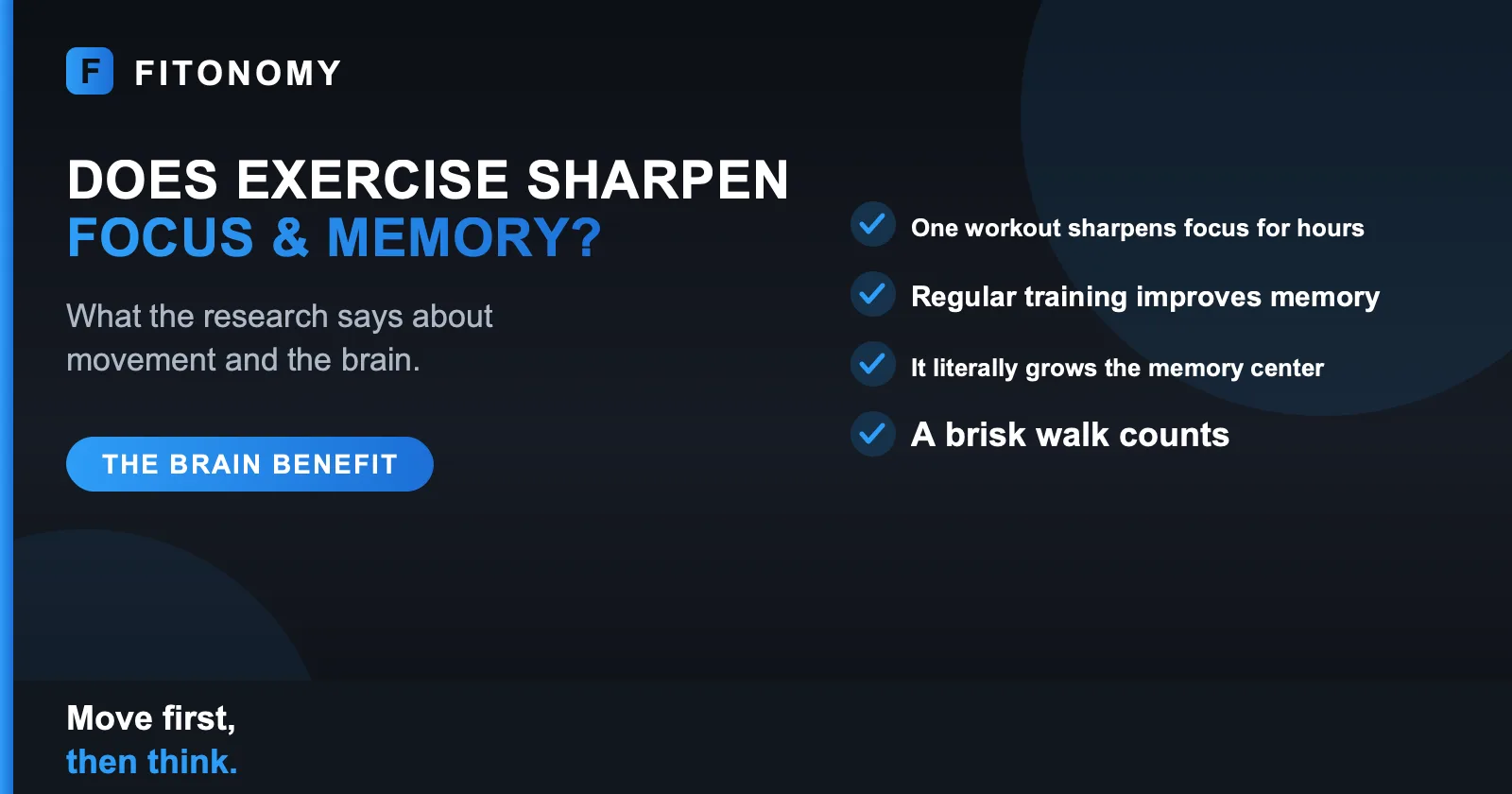
Does Exercise Improve Focus and Memory?
Exercise is one of the most reliable ways to sharpen your mind. A single workout boosts focus for a while, and regular training improves memory and even grows the brain memory center. Here is what the research shows about exercise, focus, and memory, and how to use a workout to think better.
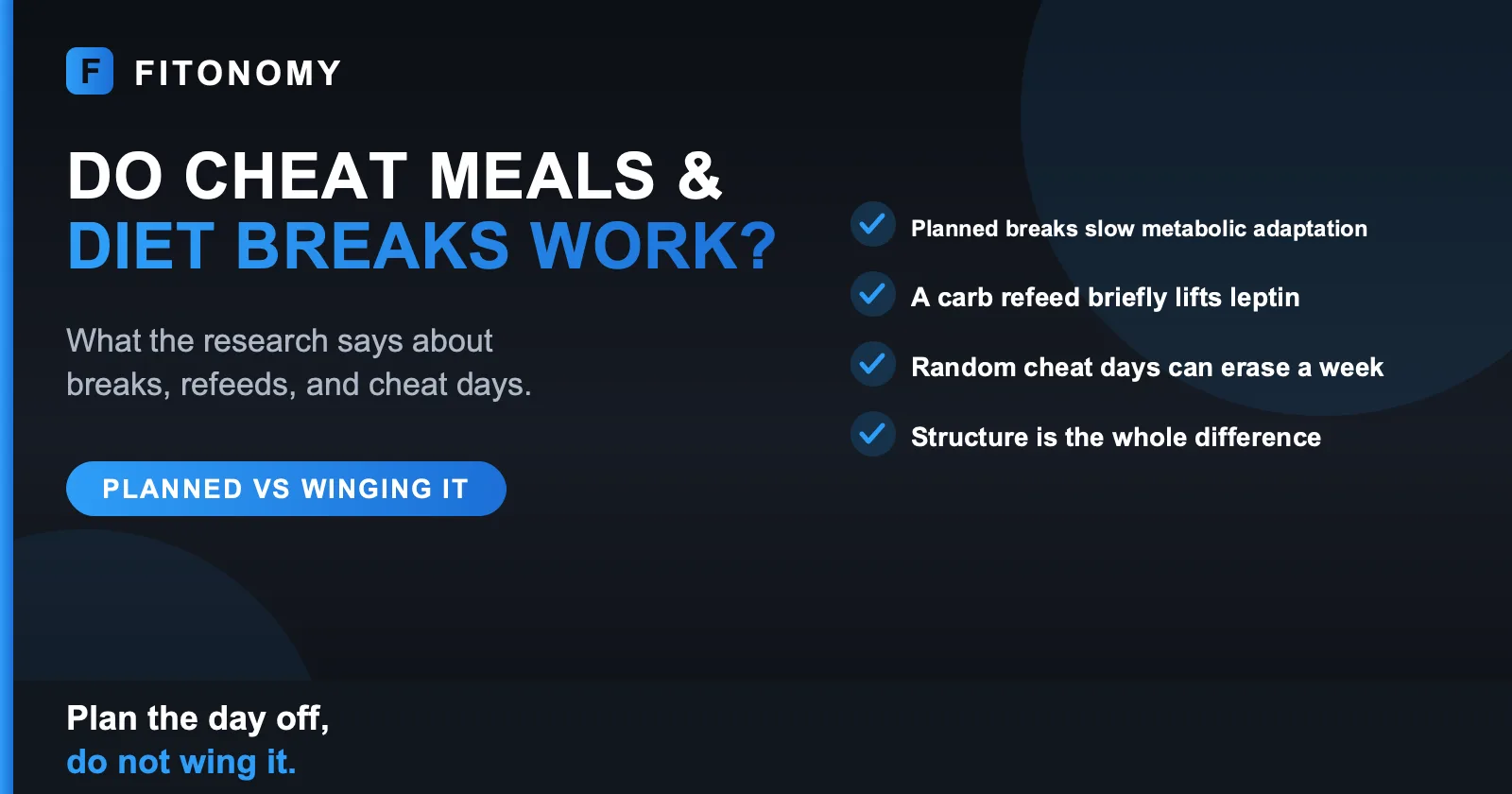
Do Cheat Meals and Diet Breaks Actually Work?
Planned diet breaks and refeeds have real science behind them, they can preserve your metabolism and make a long diet easier to stick to. Random cheat days are a different story. Here is what the research shows about breaks, refeeds, and cheat meals, and how to use them without wrecking your progress.