Fitness, beslenme ve motivasyon
Daha bilinçli antrenman yapmak, iyi beslenmek ve istikrarlı olmak için Fitonomy Coach’tan pratik öneriler.
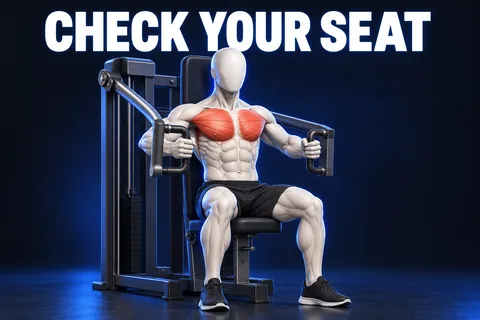
Yeni başlayanlar için göğüs press makinesi: ayar ve kontrol
Göğüs press makinesinin ayarını, yönetilebilir başlangıç yükünü ve kontrollü itmeyi öğrenin. Ağırlık eklemeden önce koltuk konumunu kaydedin.
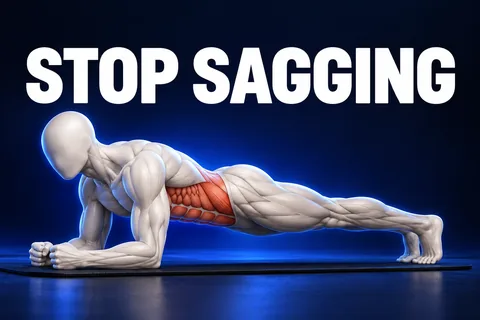
Yeni başlayanlar için ön kol plankı: dengeli duruşla başlayın
Ön kol plankının kurulumunu, dizler yerde seçeneğini ve kısa tutuşları öğrenin. Süreyi artırmadan önce nefesinizi ve hizanızı kontrol edin.
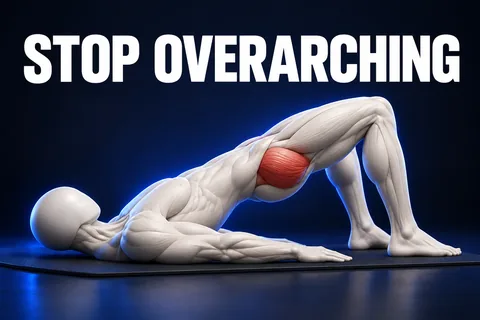
Yeni Başlayanlar İçin Kalça Köprüsü: Belinizi Aşırı Çukurlaştırmadan Yükselin
Sabit ayaklar, kontrollü yükseliş ve yönetilebilir bir ilk setle yerde kalça köprüsünü öğrenin. Zorluğu artırmadan önce tekniğinizi kontrol edin.
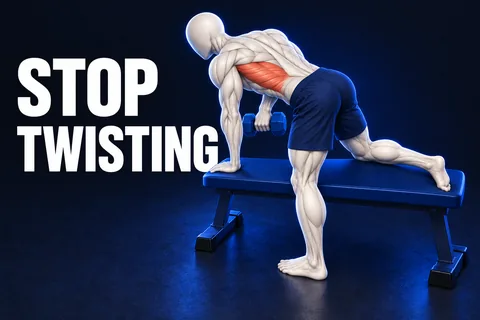
Yeni Başlayanlar İçin Dambıl Row: Sehpa Desteği ve Gövde Kontrolü
Sabit bir sehpa, kontrollü dirsek hareketi ve dengeli gövdeyle dambıl row öğrenin. Yönetebileceğiniz ağırlığı seçin ve her tarafı ayrı kaydedin.
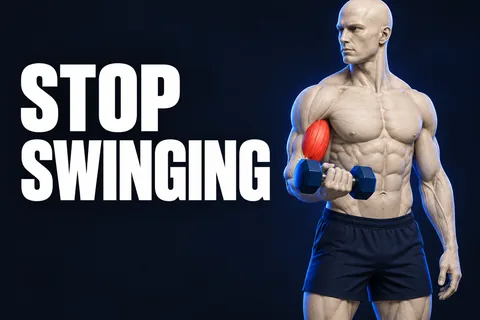
Yeni Başlayanlar İçin Dambılla Biseps Curl: Teknik ve Ağırlık
Dirsekleri sabit, bilekleri düz tutarak kontrollü curl yapmayı öğrenin. Uygun ağırlığı seçin, yaygın hataları fark edin ve ilerlemenizi kaydedin.
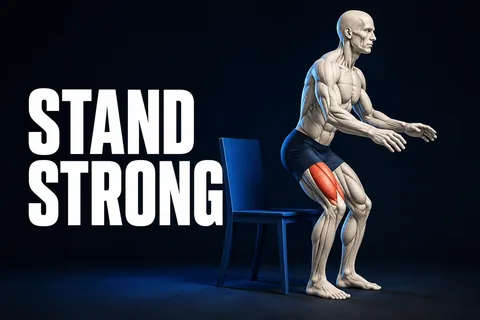
Sandalyeden kalkıp oturma egzersizi: yeni başlayanlar için teknik
Sandalyeden kontrollü kalkıp oturmayı öğrenin. Güvenli bir başlangıç hazırlayın, yönetilebilir tekrarlar seçin ve ilerlemeden önce başlangıç noktanızı kaydedin.
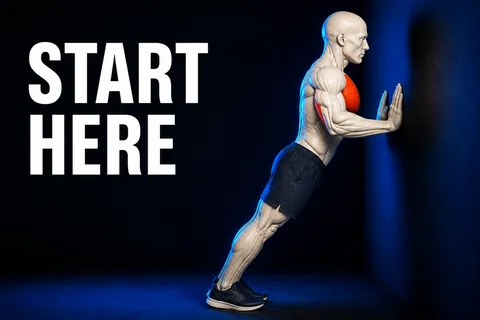
Yeni başlayanlar için duvar şınavı: Teknik ve ilerleme
Sabit duruş, kontrollü tekrarlar ve basit teknik kontrolleriyle duvar şınavını öğrenin. Zorluğu artırmadan önce tekrar edebileceğiniz bir temel kurun.
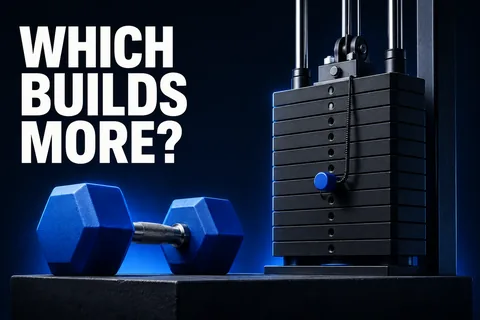
Makineler mi serbest ağırlıklar mı: Yeni başlayanlar ne seçmeli?
Kas gelişimi ve kuvvet için makinelerle serbest ağırlıkları karşılaştırın. Ayarlayabildiğiniz, kontrol edebildiğiniz ekipmanla ilerleyin.
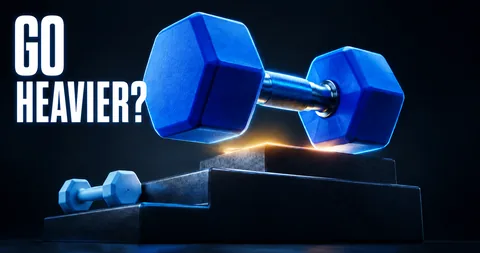
Ağırlık Ne Zaman Artırılır? Yeni Başlayanlar İçin Progresif Yüklenme
Daha çok tekrar mı, daha ağır dambıl mı? Sonraki adımı seçmeyi, büyük ağırlık artışlarını yönetmeyi ve mevcut yükü ne zaman koruyacağını öğren.
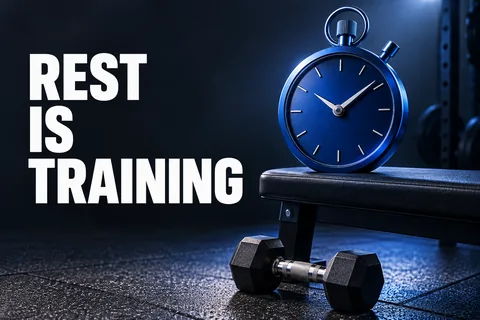
Set Arasında Ne Kadar Dinlenmeli: Sonraki Seti Hazırlayın
Kuvvet veya kas gelişimi için başlangıç molası seçin; nefese, tekniğe ve planlanan tekrarlara göre ayarlayın. Herkes için kusursuz tek bir süre yoktur.
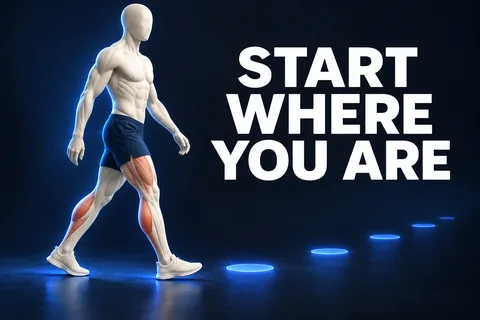
Günde Kaç Adım Gerekir? Kendi Başlangıcınızı Bulun
Günlük adım araştırmalarını anlayın ve 7000 ya da 10000 adımı herkese zorunlu saymadan uygulanabilir bir hedef seçin.
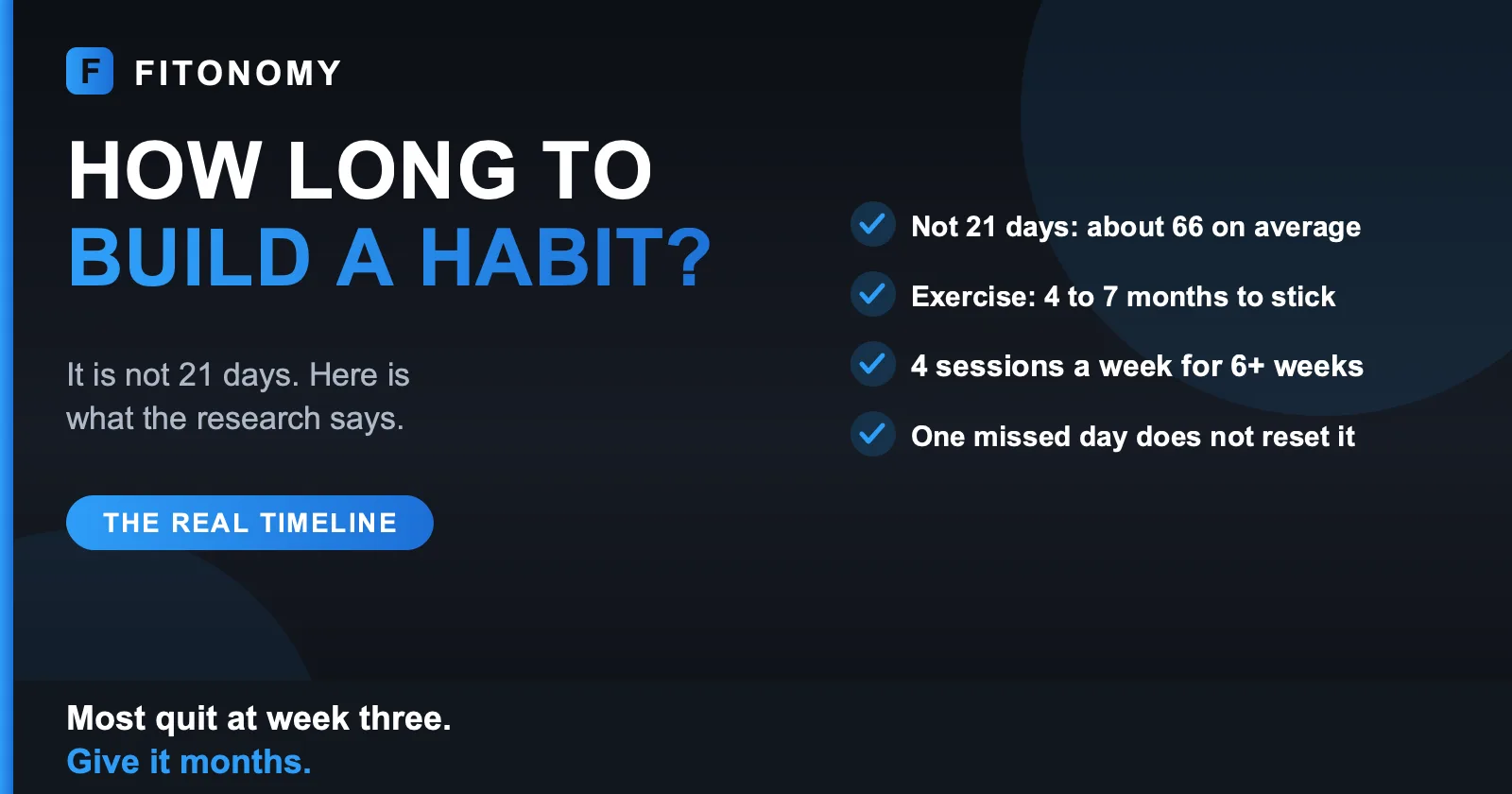
Bir alışkanlık edinmek ne kadar sürer?
Alışkanlık oluşumu için evrensel bir süre yoktur. Araştırmalar geniş farklılıklar gösterir. Tekrarlanabilir bir işaret, uygulanabilir bir davranış ve dürüst kayıt kullanın.
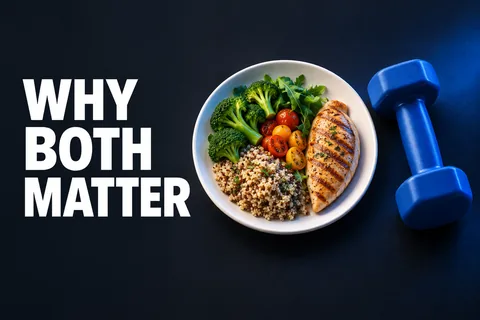
Kilo Yönetiminde Beslenme ve Egzersiz Birlikte Nasıl Kullanılır?
Beslenme ve hareket farklı görevler üstlenir. Kanıtları anlayın ve sabit sonuç vaatleri olmadan sürdürülebilir alışkanlıklar seçin.
Antrenman Uygulamaları İşe Yarıyor mu? Kanıt Ne Anlama Geliyor?
Uygulamalar fiziksel aktiviteyi destekleyebilir, ancak araştırma ortalamaları kişisel vaat değildir. Rutinine katkısını nasıl değerlendireceğini öğren.
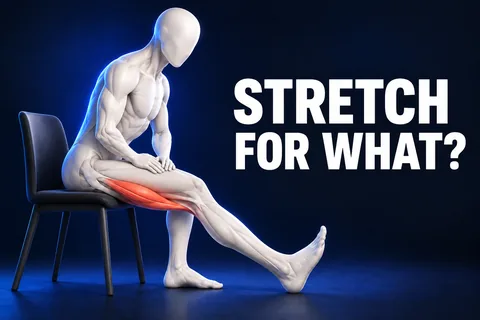
Esneme Sakatlıkları ve Kas Ağrısını Önler mi?
Esneme esnekliği destekleyebilir, ancak her sakatlığa karşı koruma sağlamaz ve kas ağrısını güvenilir biçimde önlemez. Hedefinize göre kullanın.
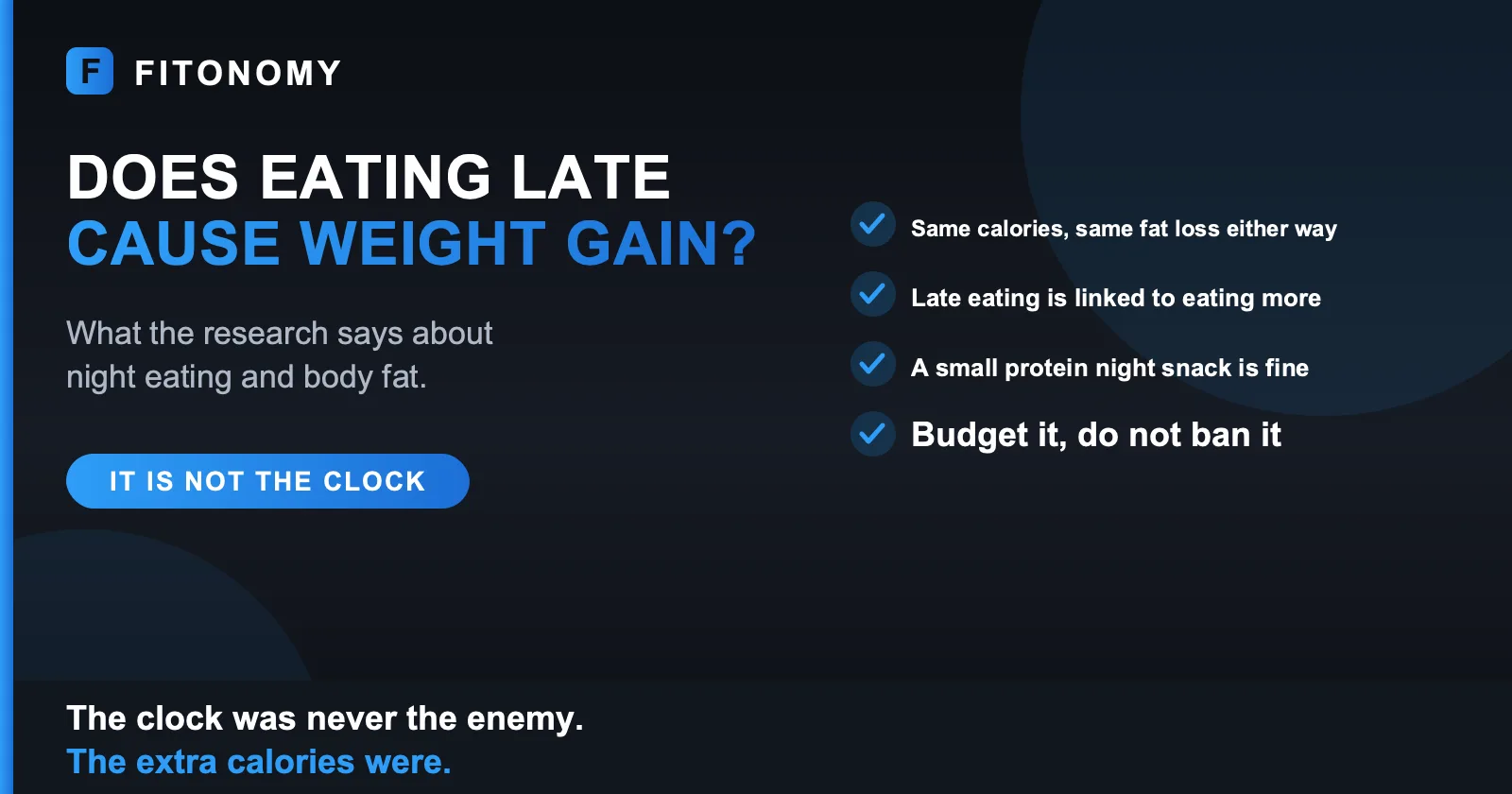
Does Eating Late at Night Make You Gain Weight?
Eating late at night does not magically turn into fat, calories do. When calories are controlled, late eaters and early eaters lose the same amount. But eating earlier can still help you lose more in real life, mostly by curbing hunger. Here is what the research actually shows and how to snack at night without gaining.
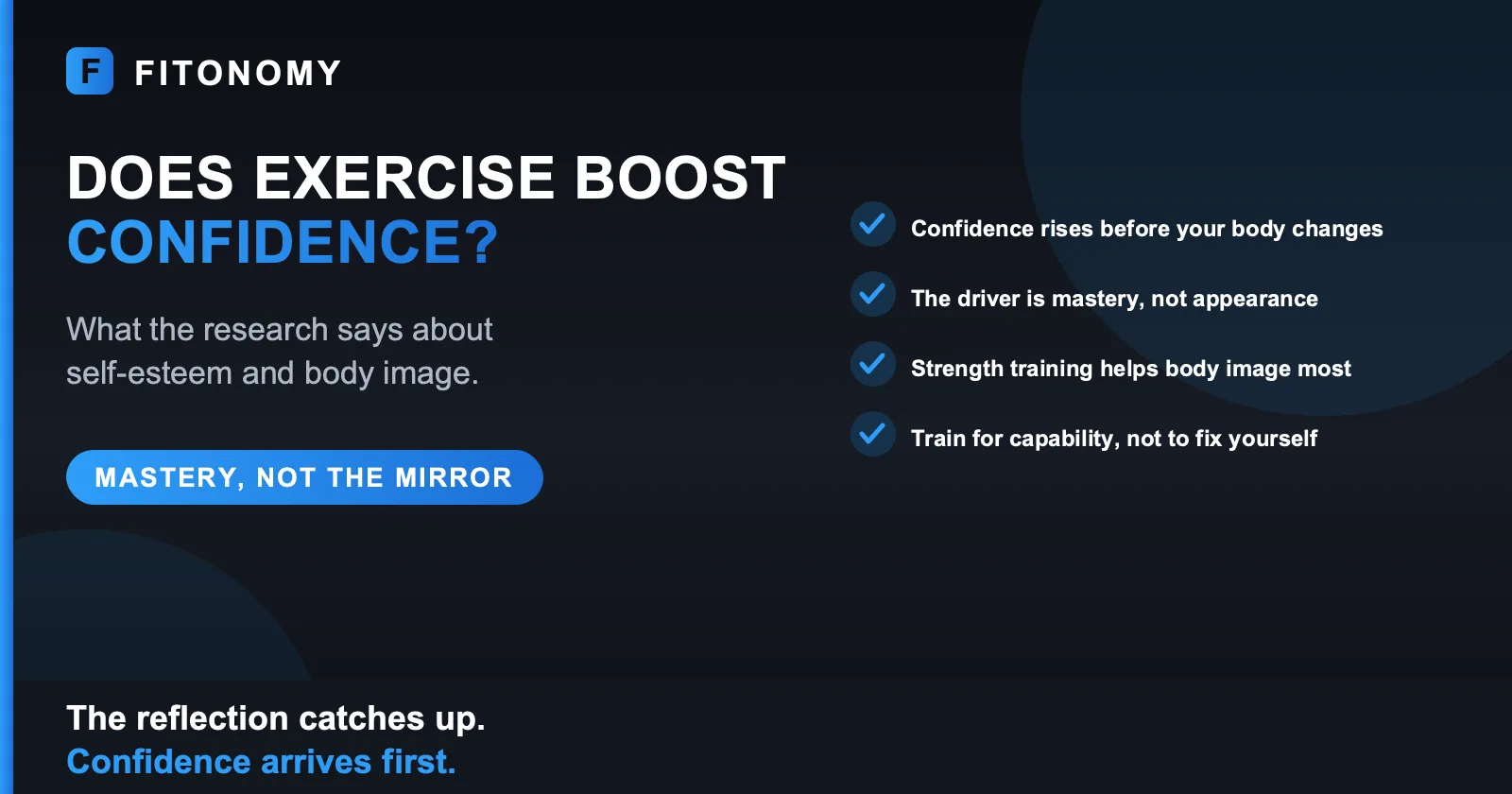
Does Exercise Boost Confidence and Self-Esteem?
Exercise reliably improves confidence, self-esteem, and body image in the research, but not mainly because your body changes. The bigger driver is the sense of mastery from doing something hard and getting better at it. Here is what the science shows and how to train for genuine confidence.
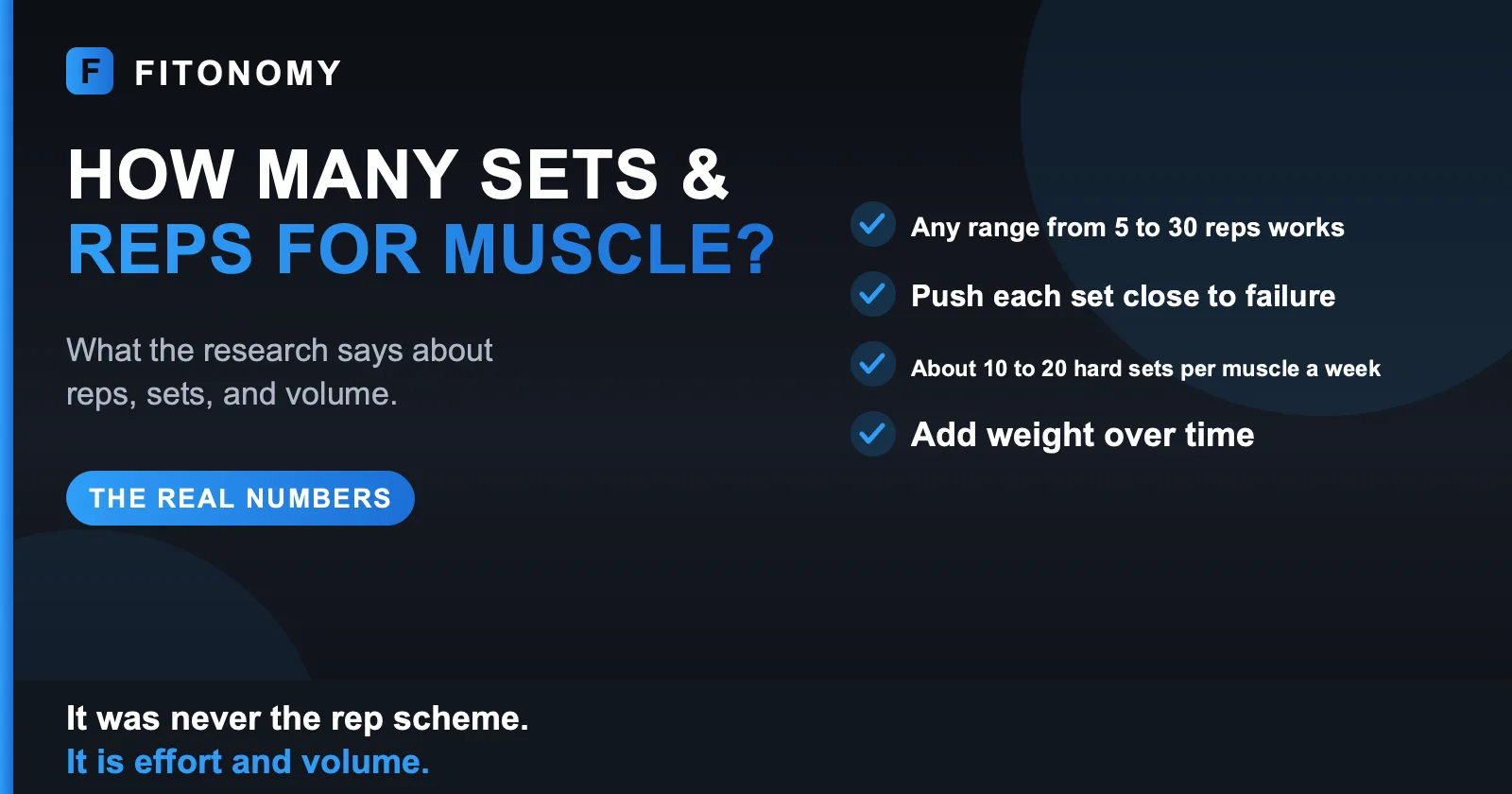
How Many Sets and Reps to Build Muscle?
You can build muscle across a huge range of reps, from about 5 to 30, as long as you push each set close to failure. What actually decides your growth is weekly volume, roughly 10 or more hard sets per muscle, plus progressive overload. Here is what the research shows about sets, reps, and how to program them.
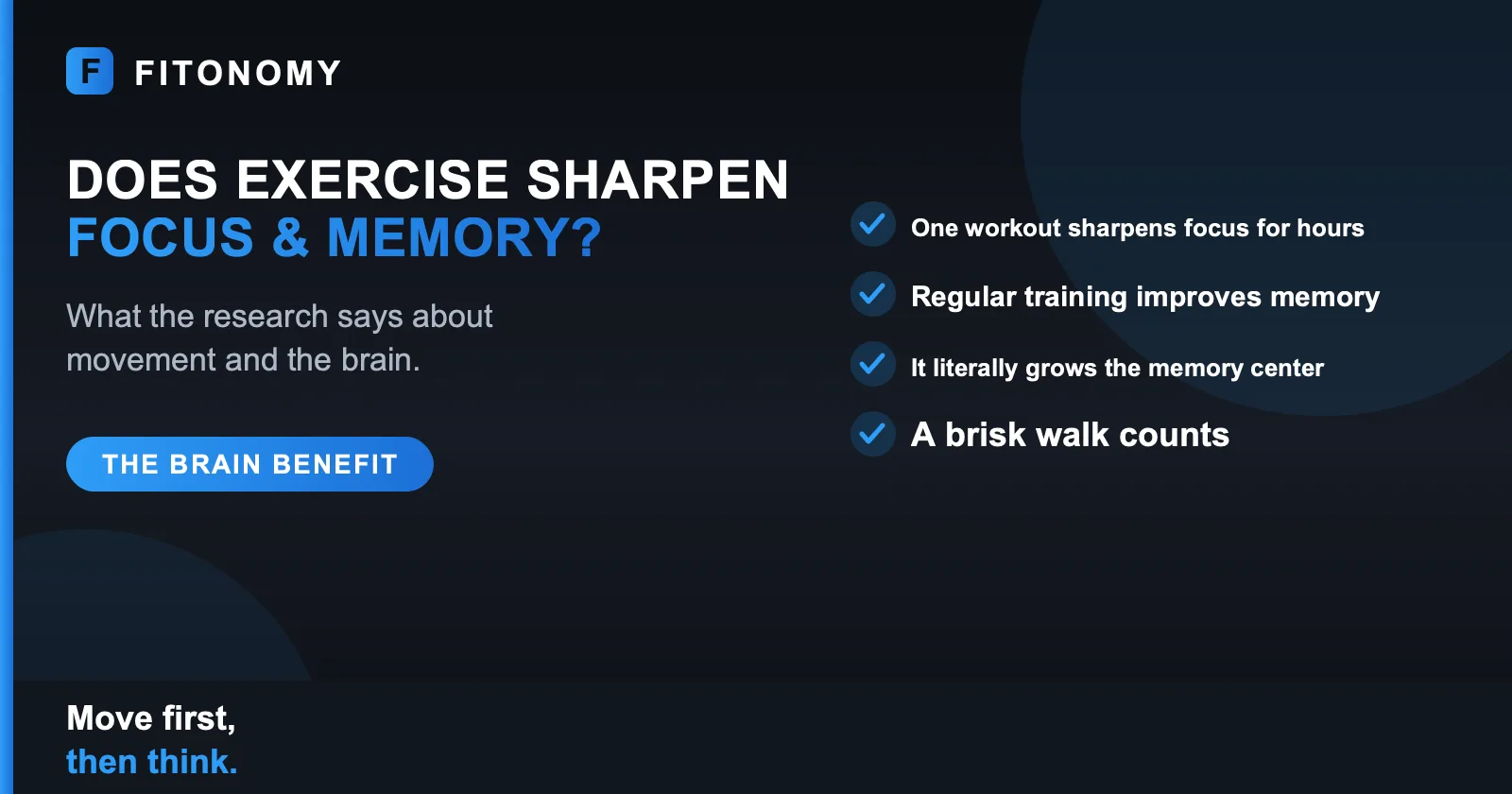
Does Exercise Improve Focus and Memory?
Exercise is one of the most reliable ways to sharpen your mind. A single workout boosts focus for a while, and regular training improves memory and even grows the brain memory center. Here is what the research shows about exercise, focus, and memory, and how to use a workout to think better.
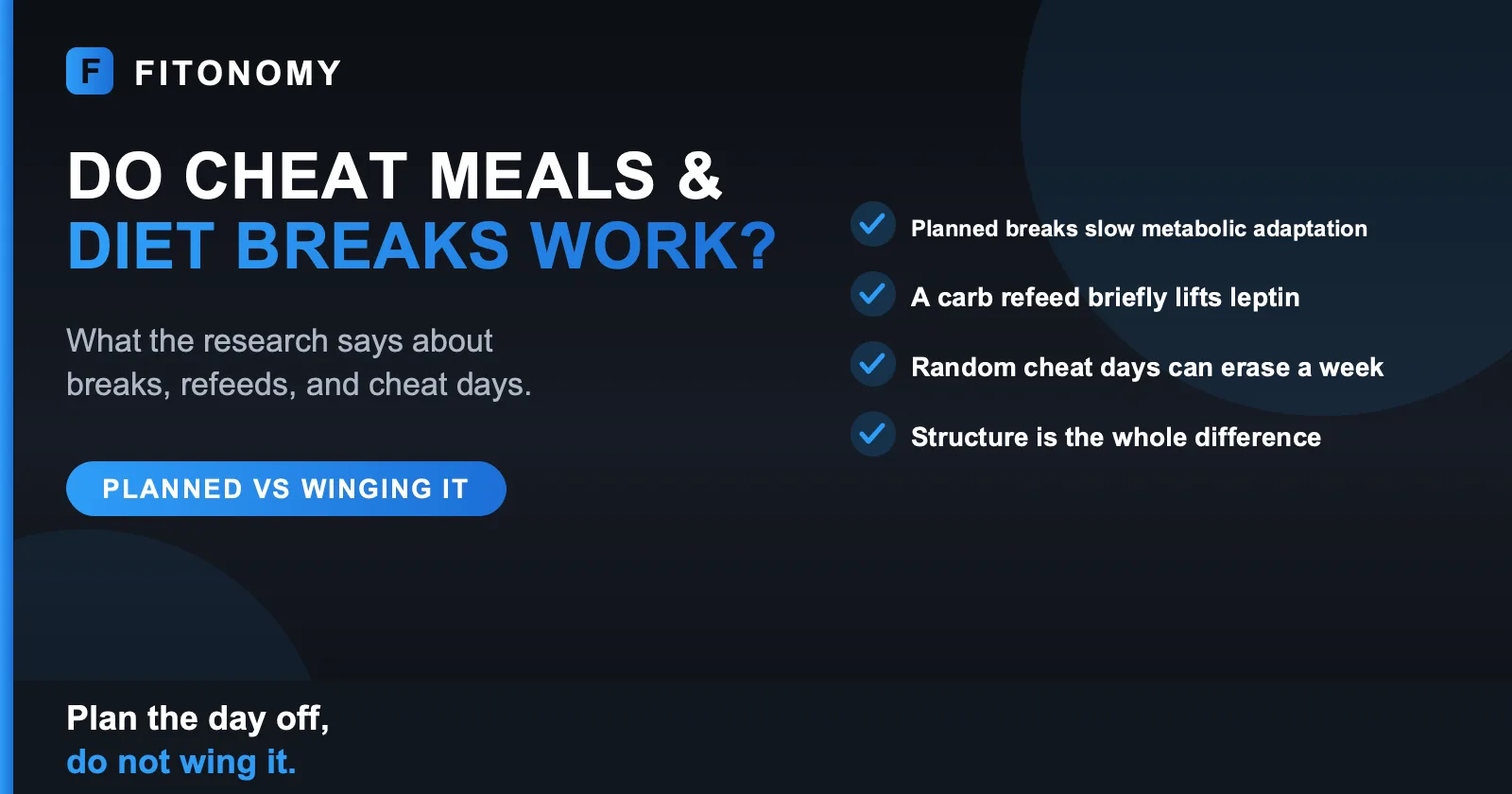
Do Cheat Meals and Diet Breaks Actually Work?
Planned diet breaks and refeeds have real science behind them, they can preserve your metabolism and make a long diet easier to stick to. Random cheat days are a different story. Here is what the research shows about breaks, refeeds, and cheat meals, and how to use them without wrecking your progress.
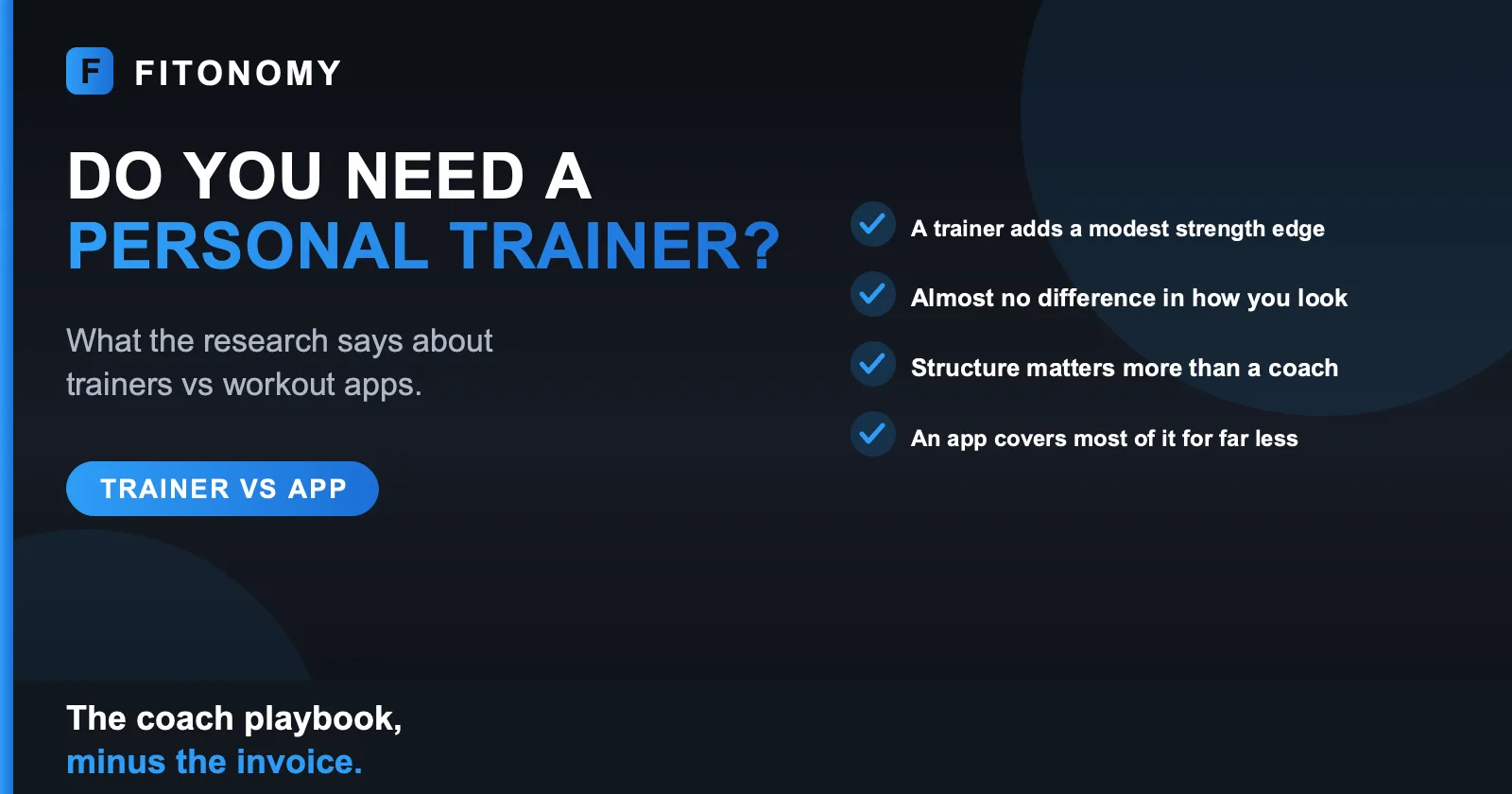
Do You Need a Personal Trainer, or Is a Workout App Enough?
A personal trainer produces a real but modest strength advantage, mostly by pushing you to lift heavier and keeping you accountable. For body composition the difference is trivial, and a good app beats going it alone. Here is what the research says about trainers vs apps, and when each one is worth it.
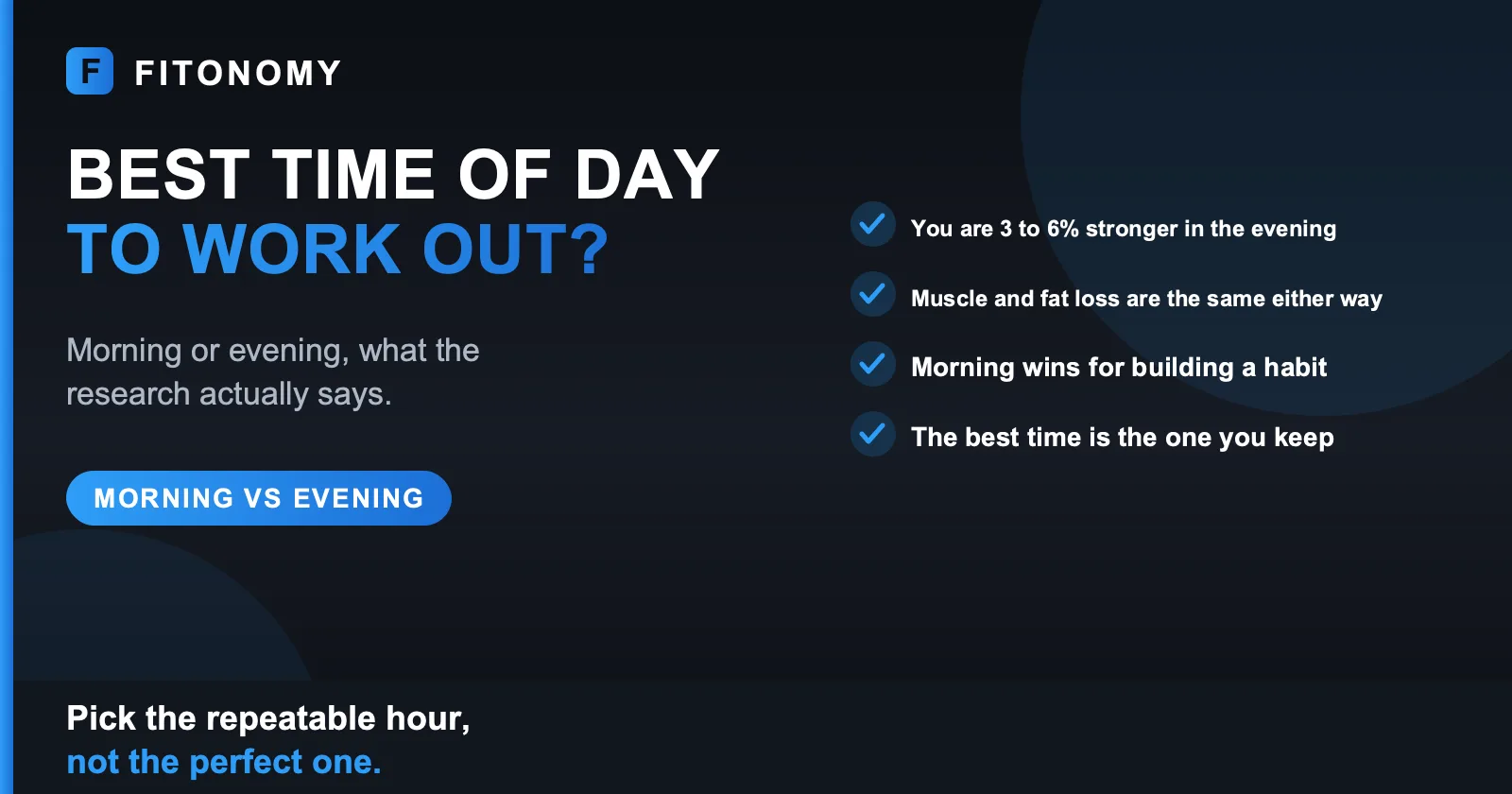
What Is the Best Time of Day to Work Out?
You are measurably stronger in the late afternoon, but morning training tends to build a more reliable habit, and long-term muscle and fat-loss results are nearly identical either way. The best time to work out is the one you can be consistent at. Here is what the science actually shows.
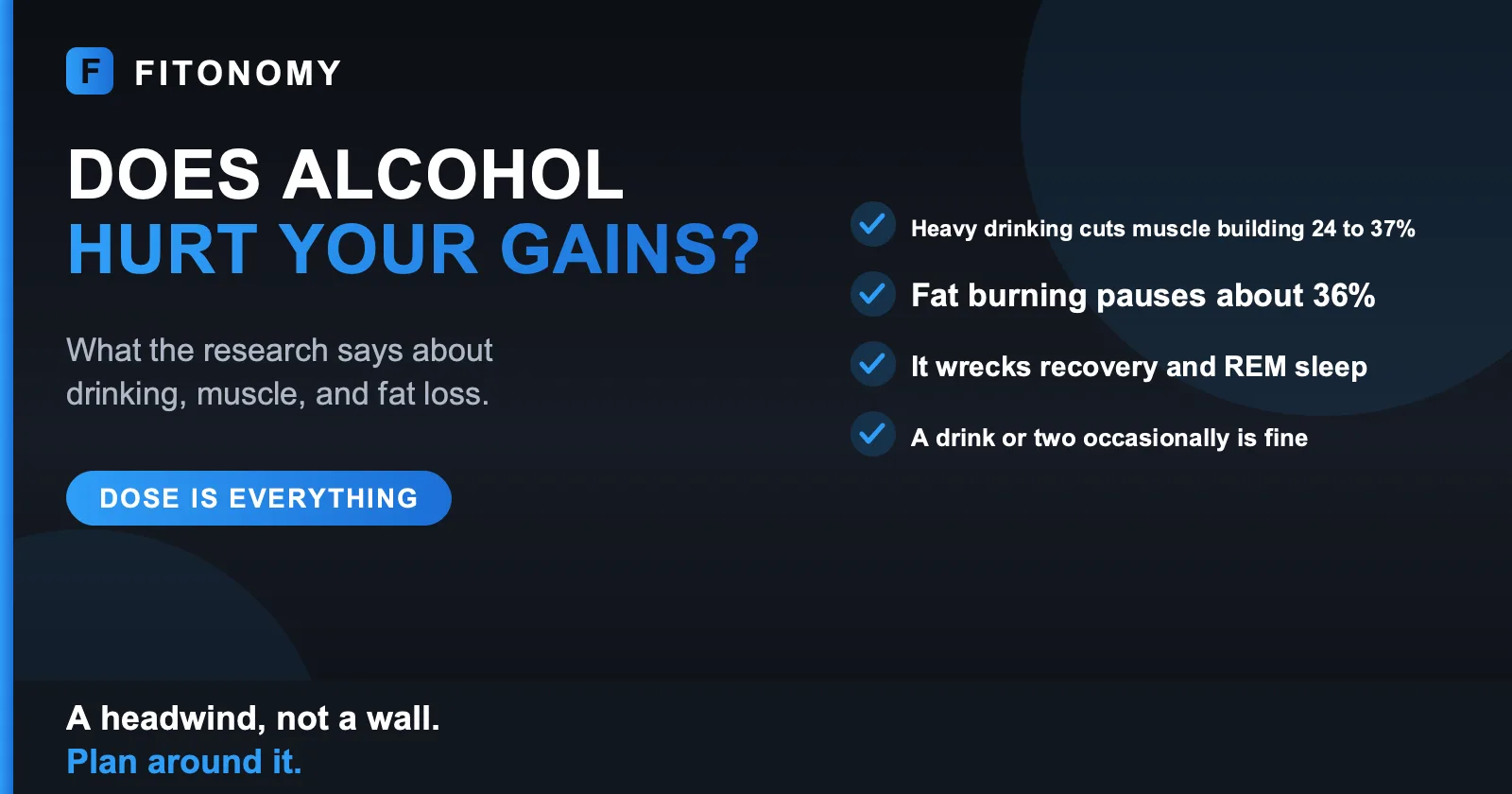
Does Alcohol Affect Muscle Growth and Fat Loss?
Alcohol does work against muscle and fat loss, mainly by blunting muscle protein synthesis, stalling fat burning, wrecking sleep, and lowering testosterone. But the damage is dose dependent, and an occasional drink or two will not undo your progress. Here is what the research shows and how to drink without derailing your goals.
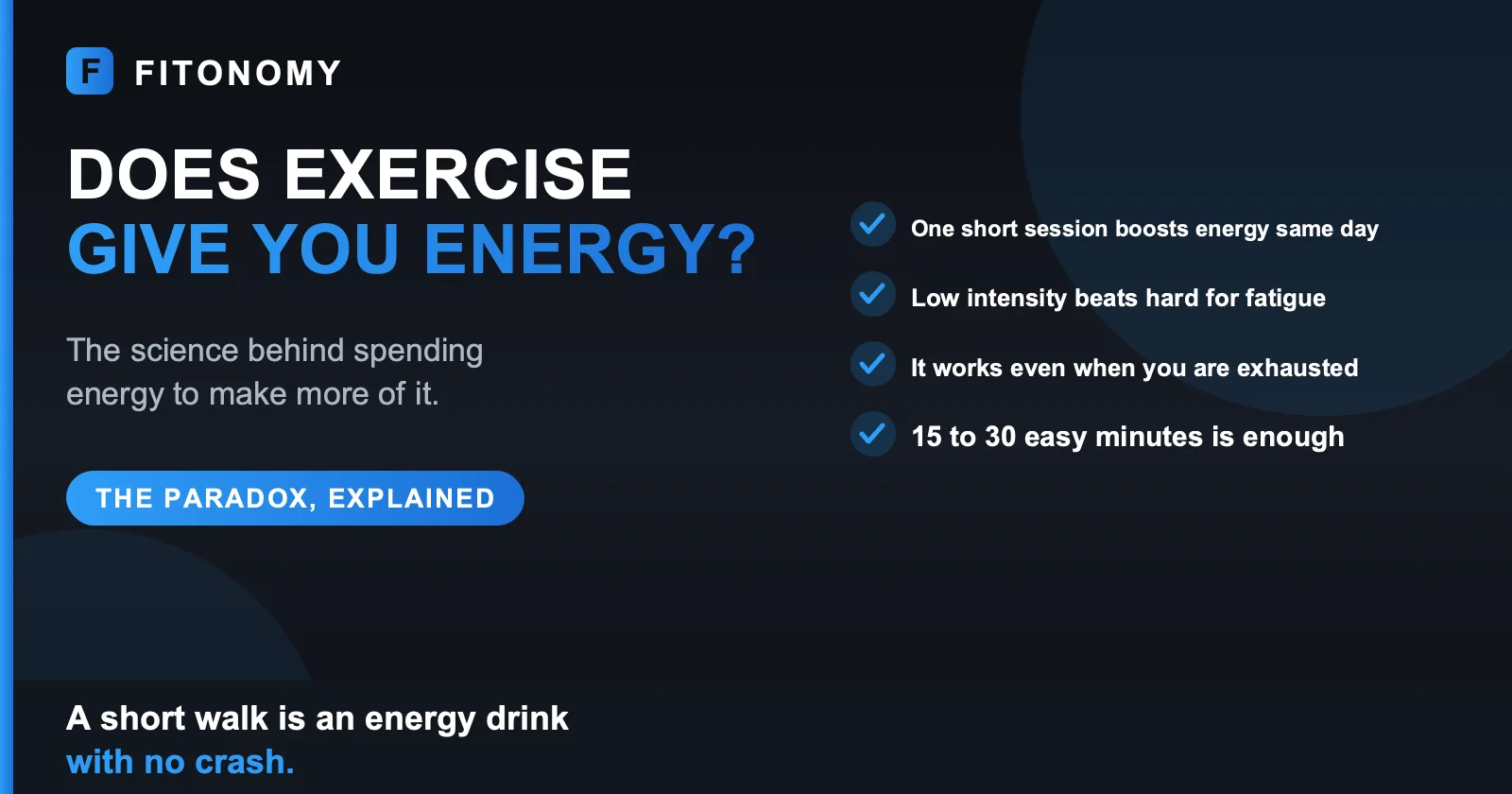
Does Exercise Actually Give You More Energy?
It sounds backwards, but spending energy on exercise reliably creates more of it. A single easy session boosts energy in the research, and low intensity works best for beating fatigue. Here is the science behind the paradox and how to use a short workout to feel less tired, not more.